Q1: 9 motorcycles cost ₹ 729576. What is the cost of one motorcycle?
Solution:
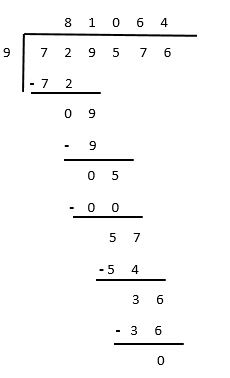
Ans: Cost of 9 motorcycles = ₹ 729576 Total number of motorcycles = 9
So, the cost of one motorcycle is ₹ 81064.
Q2: How many hours are there in 1500 minutes?
Solution:
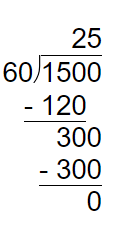
Ans: Number of minutes in 1 hr. = 60 minutes This means that 60 minutes 1 hour By Unitary Method, 1 minute = 1/60 hour
Hence, 1500 minutes = (1 ÷ 60) × 1500 = 1500 ÷ 60 = 25 hours So there are 25 hours in 1500 minutes.
Q3: 507680 rupees to be distributed equally among 32 families of a village. How much money each family will receive?
Solution:
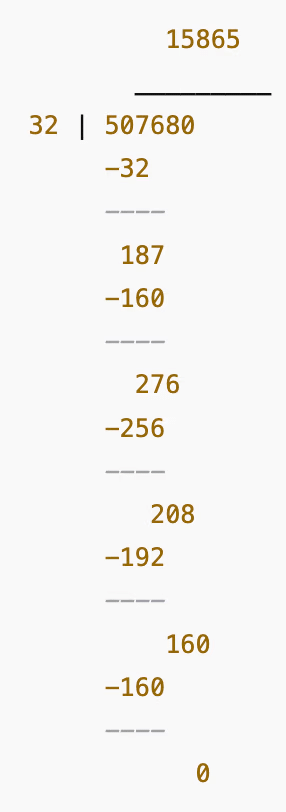
Ans: Total money to be distributed among 32 families = ₹ 507680 Each family will receive = ₹ 507680 ÷ 32
Thus, each family will receive ₹ 15865.
Q4: Alex walks 70 000 steps in a week. What is the average number of steps per day that Alex walks?
Solution:
Ans: Number of steps traversed daily = 70000 Number of days in a week = 7 Therefore , average number of steps = 70000 ÷ 7 = 10000 So Alex walks 10,000 steps each day on average.
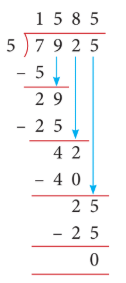
Q5: Five friends together purchased a cricket kit for ₹7925. Find the money contributed by each child.
Solution:
Ans:
Money contributed by 5 children = ₹7925
Money contributed by 1 child = ₹7925 ÷ 5 = ₹1585
Thus, the money contributed by each child is ₹1585.
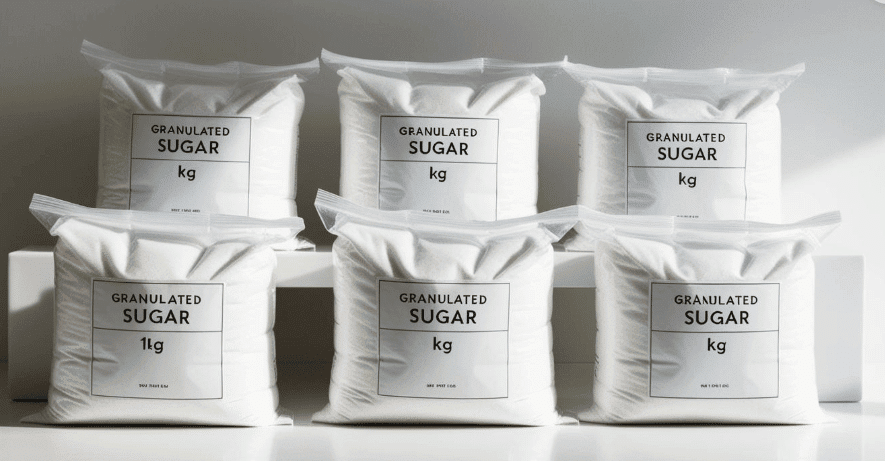
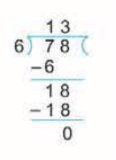
Q6: The cost of 6 kg of sugar is ₹78. Find the cost of 1 kg of sugar.
Solution:
Ans:
Cost of 6 kg of sugar = ₹78.
Cost of 1 kg of sugar = ₹78 ÷ 6 = ₹13.
Hence, the cost of 1 kg of sugar is ₹13.
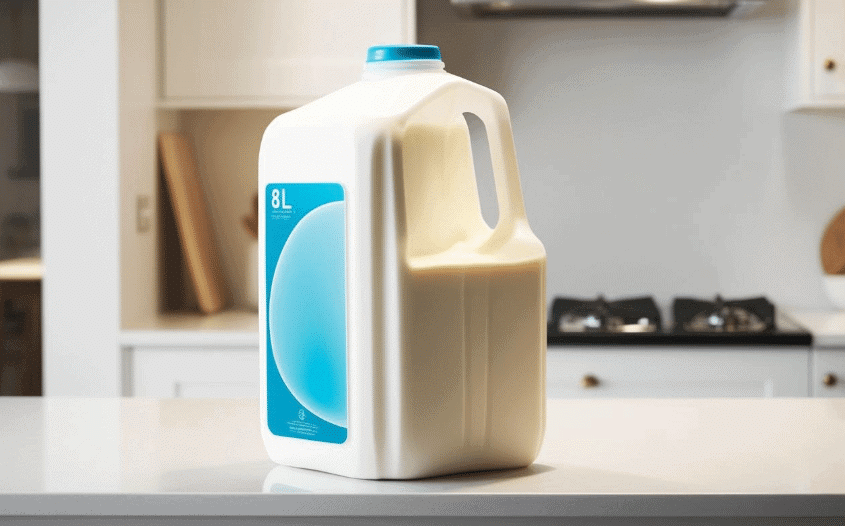
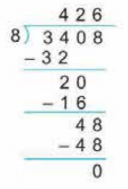
Q7: A milk container can store 8 litres of milk. How many containers are required to store 3,408 litres of milk?
Solution:
Ans:
Capacity of one container = 8 litres of milk.
Required number of containers = 3,408 ÷ 8 = 426.
Hence, 426 containers are required.
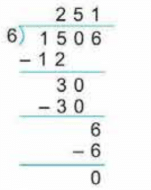
Q8: There are 1,506 roses in 6 crates. How many roses are there in 1 crate? How many roses can be packed in 19 such crates?
Solution:
Ans:
Number of roses = 1,506.
Number of crates = 6.
Each crate contains 1,506 ÷ 6 roses.
Thus, each crate contains 251 roses.
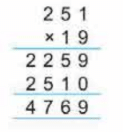
Now, number of roses in 1 crate = 251.
Number of crates = 19.
Total number of roses = 251 × 19.
Thus, 4,769 roses can be packed into 19 crates.
Q9: 2,184 basketballs are stored in 12 boxes. How many basketballs are there in 1 box? How many basketballs can be stored in 25 such boxes?
Solution:
Ans: Number of basketballs = 2,184. Number of boxes = 12. Each box contains 2,184 ÷ 12 basketballs. Thus, each box contains 182 basketballs.
Now, number of basketballs in 1 box = 182. Number of boxes = 25. Total number of basketballs = 182 × 25.
Thus, 4,550 basketballs can be stored in 25 boxes.
Q10: Cath reads 36 books a year. What is the average number of books she reads each month
Solution:
Ans: Number of months in a year = 12
Number of books = 36Therefore average number of books = 36/12 = 3
FAQs on Practice Questions with Solutions: Division
1. How do I check if my division answer is correct in Class 4 maths?
Ans. Multiply the quotient by the divisor and add any remainder-if the result equals the dividend, the answer is correct. This inverse operation method helps verify division problems quickly before submission during exams.
2. What's the difference between division with remainder and division without remainder?
Ans. Division without remainder occurs when the dividend divides evenly by the divisor, leaving zero leftover. Division with remainder leaves a whole number behind after dividing. Both methods follow the same process; remainders simply indicate incomplete division into equal groups.
3. How do I divide larger numbers by single digits in CBSE Class 4?
Ans. Break the dividend into smaller sections, dividing left to right digit by digit. Multiply the quotient by the divisor, subtract from the current section, bring down the next digit, and repeat. Long division practice questions with solutions build speed and accuracy for standardised assessments.
4. Why do I get confused with remainders in division problems?
Ans. Remainders represent what's left when a number cannot be divided into completely equal groups. Think of sharing sweets: if 17 sweets divide among 5 children, each gets 3, with 2 remaining. Understanding remainders as "leftover amounts" rather than failures clarifies their role in real-world division scenarios.
5. What are common mistakes students make when solving division sums for Class 4 exams?
Ans. Common errors include forgetting to multiply the quotient back, misaligning digits during long division, or misinterpreting remainders as part of the answer. Students also rush through divisibility checks and skip verification steps. Practising solved examples systematically prevents these recurring mistakes during test conditions.
past year papers, MCQs, Previous Year Questions with Solutions, Free, Summary, mock tests for examination, Practice Questions with Solutions: Division, Viva Questions, pdf , Exam, Practice Questions with Solutions: Division, Extra Questions, Practice Questions with Solutions: Division, shortcuts and tricks, practice quizzes, study material, Sample Paper, Important questions, Semester Notes, ppt, video lectures, Objective type Questions;

 So, the cost of one motorcycle is ₹ 81064.
 Hence, 1500 minutes = (1 ÷ 60) × 1500 = 1500 ÷ 60 = 25 hours
 Thus, each family will receive ₹ 15865.
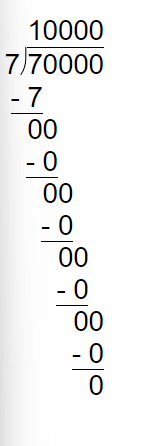 So Alex walks 10,000 steps each day on average.
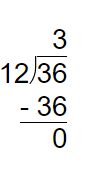 Therefore average number of books = 36/12 = 3