Worksheet: Adaptations in Plants - 1

Q1: Give two examples of the following.
(i) Underwater plants _______________ _______________
(ii) Plants in mountains _______________ _______________
(iii) Floating plants _______________ _______________
(iv) Plants in deserts _______________ _______________
(v) Plants in heavy rainfall areas _______________ _______________
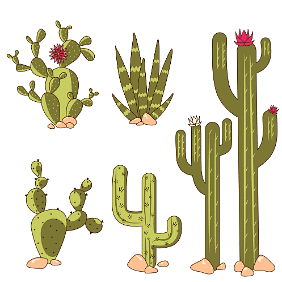 Desert Plants
Q2: Multiple Choice Questions (MCQs).
(i) Coconut trees grow well in _________ areas. Coconut Tree(a) swampy
(b) hilly
(c) desert
(d) coastal
(ii) These trees usually have waxy coating to prevent evaporation and loss of water.
(a) Hydrilla
(b) Mangrove
(c) Fir
(d) Coconut
(iii) Light and spongy water plants like __________ can float on the surface of the water.
(a) duckweed
(b) cactus
(c) mangroves
(d) lotus
 Plants floating on water(iv) _________ is an underwater plant.
(a) Water lily
(b) Duckweed
(c) Eelgrass
(d) Lotus
(v) Plants in heavy rainfall areas are
(a) Sundew, pitcher plant
(b) Mango, pine
(c) Cotton, sugarcane
(d) Indian pipe, fir
Q3: Fill in the blanks.
(i) Underwater plants such as pondweed and eelgrass have narrow leaves without _______________.
(ii) Neem, peepal and sheesham are some trees that grow in _______________.
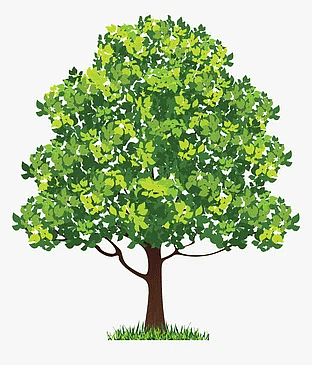 Neem Tree(iii) Roots of some plants that grow out of the soil to breathe from air are called _______________ roots.
(iv) _______________ plants like duckweed and Pistia have lots of empty spaces filled with air.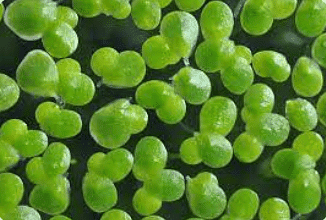 Duckweed
(v) Long _______________ systems in desert plants go deep into the ground to absorb the available water.
Q4: True & False.
(i) Some terrestrial plants grow in water.
(ii) Evergreen plants do not shed their leaves at once.
(iii) The trees in heavy rainfall areas are called conifers.
(iv) The cactus plant stores water in its stem.
(v) Spines protect cactus from animals.
Q5: Match the following.
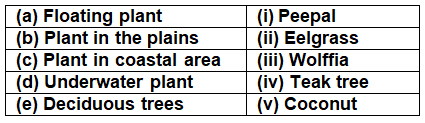
Q6: Answer the following questions in brief.
(i) What is a habitat?
(ii) Why do mountain plants have waxy coatings on leaves?
(iii) What are breathing roots?
(iv) How does long root system help desert plants?
(v) Define coniferous trees. Give two examples.
Q7: Answer the following questions in detail.
(i) How do plants in marshy areas survive? Explain.
(ii) Explain some adaptations in desert plants.
(iii) Draw a cactus plant and label its adaptations.
(iv) Choose the odd one out. State a reason for selection.
(a)
(b) 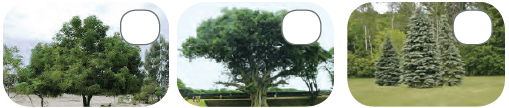
(c) 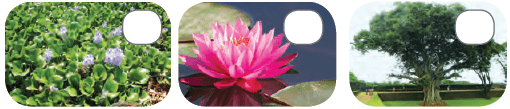
You can find Worksheets Solutions here: Worksheet Solutions: Adaptations in Plants - 1
FAQs on Worksheet: Adaptations in Plants - 1
| 1. What are the main plant adaptations I need to know for Class 4 Science? |  |
| 2. How do desert plants adapt differently compared to water plants? | |
| 3. Why do some plants have spines instead of leaves? | |
| 4. What worksheet practice questions should I focus on for understanding plant survival features? | |
| 5. How can I remember different plant adaptations for my CBSE Class 4 exams? | |