Worksheet: Forest and Wildlife - 1

Q1: Fill in the Blanks.
(i) Vegetation growing naturally in a particular region due to environmental factors is called ___________ vegetation.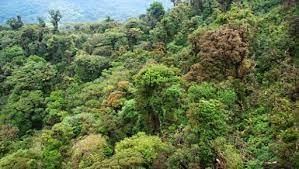
(ii) Forests are a type of ___________ vegetation that has economic usefulness.
(iii) Tropical Evergreen vegetation is found in regions with high annual rainfall of ___________ cm.
(iv) Deciduous vegetation sheds its leaves once a year during the ___________ season.
(v) Dry Tropical Thorny vegetation is found in regions with less than ___________ cm of annual rainfall.
(vi) The representative tree of Tidal vegetation is the ___________.
(vii) The variety of vegetation in the Himalayan Ranges changes with ___________ and location.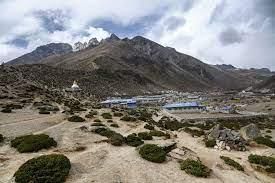
(viii) Forests help maintain the ___________ level in the atmosphere and control flooding.
(ix) The act that protects wildlife all over India is called the ___________ Act.
(x) ___________ and ___________ are examples of animals protected under wildlife sanctuaries.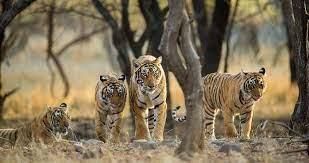
Q2: Multiple Choice Questions (MCQs).
(i) What is the economic usefulness of forests?
(a) Providing shade
(b) Controlling flooding
(c) Adding to natural beauty
(d) Planned logging and paper production
(ii) Tropical Semi-evergreen vegetation is found in regions with annual rainfall of:
(a) Less than 100 cm
(b) 250 cm to 300 cm
(c) More than 300 cm
(d) Exactly 70 cm
(iii) Which type of vegetation is dominant in regions with a dry season of three to four months?
(a) Tropical Evergreen vegetation
(b) Tropical Semi-evergreen vegetation
(c) Dry Tropical Deciduous vegetation
(d) Dry Tropical Thorny vegetation
(iv) Which type of vegetation is found in delta regions and flooded by tidal waves?
(a) Tropical Deciduous vegetation
(b) Dry Tropical Thorny vegetation
(c) Tidal vegetation
(d) Tropical Semi-evergreen vegetation
(v) The Mountain Vegetation of The Himalayan Ranges changes with:
(a) Time of day
(b) Altitude and location
(c) Wind direction
(d) Distance from the equator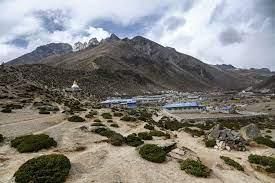
Q3: True or False.
(i) At present one-third of India's total area is under forests.
(ii) Evergreen trees shed their leaves during the dry season.
(iii) The sundari tree grows in the mangrove forests.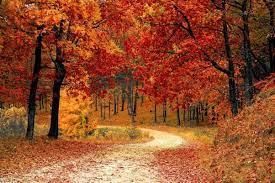
Q4: Write the names of these trees in the correct columns.


Q5: Underline the correct answers.
(i) The Gir National Park protects the snow leopards / Asiatic lions.
(ii) About one-third / two-thirds of a country's total area should be under forests.
(iii) The mangrove forests are found in the Ganga-Brahmaputra delta / Himalayas.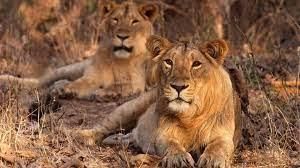
Q6: Answer these questions.
(i) Why have national parks and wildlife sanctuaries been set up?
(ii) Where do we find thorn, mountain and mangrove forests in India?
(iii) How are forests important to us?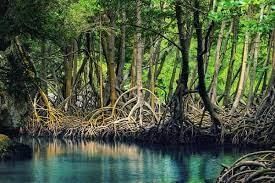
Q7: Think and Answer.
Trees found in thorn forests have long roots and small leaves. Why?
You can find Worksheets Solutions here: Worksheet Solutions: Forest and Wildlife - 1
FAQs on Worksheet: Forest and Wildlife - 1
| 1. What animals and plants live in forests and why do they need forests to survive? |  |
| 2. How do forests help the environment and what would happen if we cut down too many trees? | |
| 3. What's the difference between a forest and a jungle, and are they the same thing? | |
| 4. Which animals are most at risk from losing their forest homes and habitats? | |
| 5. What can we do to protect forests and help save wildlife from disappearing? | |