Worksheet: Our Rich Culture - 1

Q1: Underline the correct words.
(i) The stupa at Sanchi was built by Emperor Ashoka / Akbar.
(ii) Dances performed on festivals are called classical / folk dances.
(iii) Hindi / Telugu is the official language of India.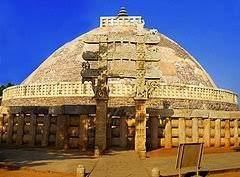
Q2: Choose the Odd One Out.
(i) (a) Diwali
(b) Holi
(c) Bicycle
(d) Eid
(ii) (a) Sari
(b) Turban
(c) Pizza
(d) Dhoti
(iii) (a) Taj Mahal
(b) Eiffel Tower
(c) Great Wall of China
(d) Pyramids of Egypt
(iv) (a) Bharatanatyam
(b) Kathak
(c) Cricket
(d) Odissi
(v) (a) Yoga
(b) Meditation
(c) River Ganges
(d) Mathematics
Q3: What do you mean by.
(i) Culture
(ii) Tradition
(iii) Heritage
(iv) Folk Dance
(v) Monuments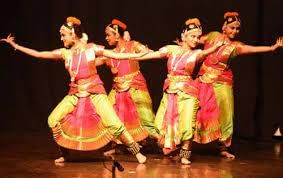
Q4: Answer these questions.
(i) What are handicrafts?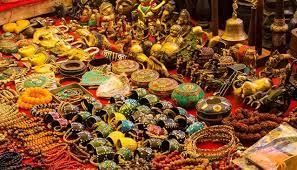
(ii) Write the names of three monuments built by the British.
(iii) What dresses do Indian women and men wear?
(iv) What are cave paintings? What do the paintings at Ajanta caves show?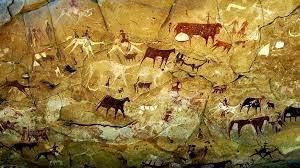
(v) Write two examples of the following
(a) Harvest festivals ______ ______
(b) Modern monuments ______ ______
(c) Classical dancers ______ ______
Q5: Think and Answer.
Why are people happy at the time of harvesting?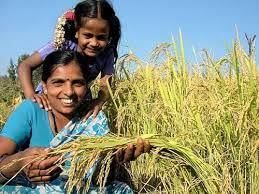
You can find Worksheets Solutions here: Worksheet Solutions: Our Rich Culture - 1
FAQs on Worksheet: Our Rich Culture - 1
| 1. What are the main features of Indian culture that we should know for Class 4 exams? |  |
| 2. How do festivals in India show our rich cultural heritage? | |
| 3. What's the difference between tangible and intangible aspects of Indian cultural heritage? | |
| 4. Why do different regions in India have different cultural practices and traditions? | |
| 5. How can we preserve and celebrate Indian cultural heritage in our daily lives? | |