CBSE Class 4  >  Class 4 Notes  >  Social Studies  >  Worksheet: Our Rich Culture - 1

Worksheet: Our Rich Culture - 1

Q1: Underline the correct words.

(i) The stupa at Sanchi was built by Emperor Ashoka / Akbar.

(ii) Dances performed on festivals are called classical / folk dances.

(iii) Hindi / Telugu is the official language of India.
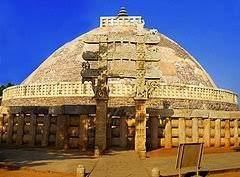
Q1: Underline the correct words.

Q2: Choose the Odd One Out.

(i) (a) Diwali
(b) Holi
(c) Bicycle
(d) Eid

(ii) (a) Sari
(b) Turban
(c) Pizza
(d) Dhoti

(iii) (a) Taj Mahal
(b) Eiffel Tower
(c) Great Wall of China
(d) Pyramids of Egypt

(iv) (a) Bharatanatyam
(b) Kathak
(c) Cricket
(d) Odissi

(v) (a) Yoga
(b) Meditation
(c) River Ganges
(d) Mathematics

Q3: What do you mean by.

(i) Culture

(ii) Tradition

(iii) Heritage

(iv) Folk Dance

(v) Monuments
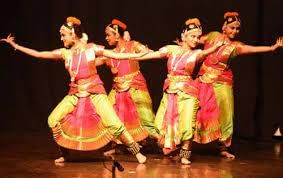
Q3: What do you mean by.

Q4: Answer these questions.

(i) What are handicrafts?
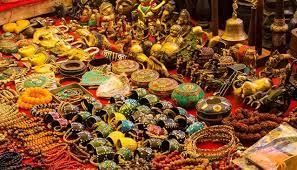
Q4: Answer these questions.

(ii) Write the names of three monuments built by the British.

(iii) What dresses do Indian women and men wear?

(iv) What are cave paintings? What do the paintings at Ajanta caves show?
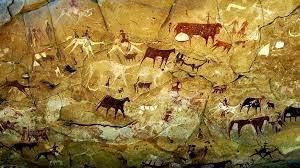
Q4: Answer these questions.

(v) Write two examples of the following
(a) Harvest festivals ______  ______
(b) Modern monuments ______  ______
(c) Classical dancers ______  ______

Q5: Think and Answer.

Why are people happy at the time of harvesting?
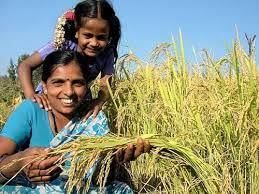
Q5: Think and Answer.


You can find Worksheets Solutions here: Worksheet Solutions: Our Rich Culture - 1

The document Worksheet: Our Rich Culture - 1 is a part of the Class 4 Course Social Studies for Class 4.
All you need of Class 4 at this link: Class 4

FAQs on Worksheet: Our Rich Culture - 1

1. What are the main features of Indian culture that we should know for Class 4 exams?
Ans. Indian culture is defined by its diversity, traditions, languages, festivals, and values that have developed over thousands of years. It includes classical art forms like dance and music, various religions coexisting peacefully, regional customs, and architectural heritage. Students should understand how these elements reflect India's rich cultural tapestry and make it unique globally.
2. How do festivals in India show our rich cultural heritage?
Ans. Festivals demonstrate India's cultural diversity by celebrating different religions, seasons, and historical events across regions. Diwali, Holi, Eid, Christmas, and Pongal represent various communities' traditions and values. Each festival involves specific rituals, foods, and customs that connect people to their ancestry, preserving cultural identity and promoting unity among diverse populations throughout the country.
3. What's the difference between tangible and intangible aspects of Indian cultural heritage?
Ans. Tangible heritage includes physical artifacts like monuments, temples, sculptures, and historical buildings students can see and touch. Intangible heritage encompasses languages, folklore, traditional knowledge, customs, and performing arts passed down orally. Both preserve India's identity-monuments reflect architectural brilliance while oral traditions maintain spiritual and social values across generations.
4. Why do different regions in India have different cultural practices and traditions?
Ans. Regional variations in Indian culture stem from geography, climate, historical migrations, and local influences across states. Northern, Southern, Eastern, and Western regions developed distinct cuisines, clothing styles, languages, and festivals based on their environment and communities. This geographical diversity creates India's pluralistic culture while maintaining underlying values of unity and respect for all traditions.
5. How can we preserve and celebrate Indian cultural heritage in our daily lives?
Ans. Students can preserve cultural heritage by learning traditional arts, participating in family festivals, speaking regional languages, and respecting cultural practices. Engaging with classical music, dance forms, traditional crafts, and historical sites deepens appreciation. Understanding cultural stories through mind maps and flashcards helps students recognise how heritage shapes identity while encouraging them to pass traditions to future generations.
Explore Courses for Class 4 exam
Get EduRev Notes directly in your Google search
Related Searches
pdf , video lectures, Sample Paper, past year papers, Viva Questions, Exam, shortcuts and tricks, ppt, mock tests for examination, Free, MCQs, Worksheet: Our Rich Culture - 1, Objective type Questions, study material, practice quizzes, Worksheet: Our Rich Culture - 1, Summary, Previous Year Questions with Solutions, Extra Questions, Important questions, Worksheet: Our Rich Culture - 1, Semester Notes;