CBSE Class 4  >  Class 4 Notes  >  Science  >  Worksheet: Reproduction in Animals - 1

Worksheet: Reproduction in Animals - 1

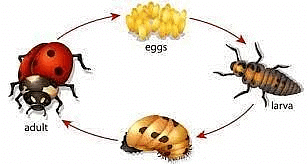
Q1: Label the different stages in the life cycle of a butterfly.

Q2: Multiple Choice Questions (MCQs).

(i) ________________ is the process in which the young one breaks open the egg shell to come out.
(a) Metamorphosis
(b) Hatching
(c) Moulting
(d) Incubation

(ii) Which of the following is not a part of a bird's egg?
Q2: Multiple Choice Questions (MCQs).(a) Pupa
(b) Shell
(c) Yolk
(d) Albumen 

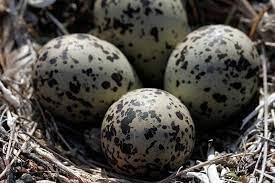
(iii) This organism does not incubate its eggs.
(a) Butterfly
(b) Parrot
(c) Pigeon
(d) Hen

(iv) Which of these defines a mammal?
(a) It gives birth to babies and feeds them with its own milk.
(b) It gives birth to babies and brings food to feed it.
(c) It lays eggs and looks after them and the babies after they hatch.
(d) It lays eggs but does not look after them or the babies after they hatch.

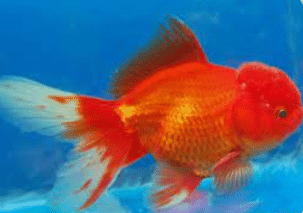
(v) _____________ lays adhesive eggs.
Q2: Multiple Choice Questions (MCQs).(a) Snake
(b) Frog
(c) Cat
(d) Lizard

Q3: Fill in the blanks.

(i) The period of time for which a living organism lives is called _____________.

(ii) The animals which lay eggs are called _____________ animals.

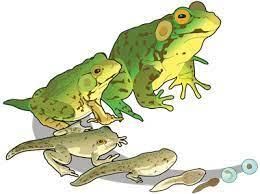
(iii) The _____________ in a tadpole vanishes when it grows into an adult frog.

(iv) The animals which give birth to their young ones are called _____________ animals.

(v) _____________ provides nutrition to the embryo inside an egg.
Q3: Fill in the blanks.

Q4: True & False.

(i) The eggshell of a hen is totally waterproof and airproof.

(ii) Mammals leave their young ones on their own as soon as they are born.

(iii) Jelly-like covering protects the eggs of a frog.

(iv) Birds, snakes and turtles lay hard-shelled eggs.

(v) Butterfly and frogs show metamorphosis.

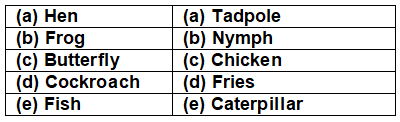
Q5: Match the following.
Q5: Match the following.Q6: Answer the following questions in brief.

(i) How do insects take care of their eggs?

(ii) What is metamorphosis?

(iii) How do birds protect their young ones?

(iv) How does air cell form inside an egg?

(v) What is incubation?

Q7: Answer the following questions in detail.

(i) What is the difference between a tadpole and an adult frog?

(ii) Differentiate between viviparous and oviparous animals. Give examples.

Q8: Give two examples of the following.

(i) Viviparous animals ________________ ________________

(ii) Insects with 3-stage life cycles ________________ ________________

(iii) Moulting animals ________________ ________________

(iv) Aquatic oviparous animals ________________ ________________

(v) Insects with 4-stage life cycles ________________ ________________
Q7: Answer the following questions in detail.

________________


You can find Worksheets Solutions here: Worksheet Solutions: Reproduction in Animals - 1

The document Worksheet: Reproduction in Animals - 1 is a part of the Class 4 Course Science for Class 4.
All you need of Class 4 at this link: Class 4

FAQs on Worksheet: Reproduction in Animals - 1

1. What are the different ways animals reproduce in Class 4 science?
Ans. Animals reproduce through two main methods: sexual reproduction, where male and female gametes combine, and asexual reproduction, where a single parent produces offspring without a partner. Sexual reproduction occurs in mammals, birds, and most fish. Asexual reproduction happens in organisms like starfish and hydra through budding or fragmentation. Understanding these reproduction processes helps students grasp how living organisms create new generations and maintain species survival.
2. How do mammals give birth differently from birds and reptiles?
Ans. Mammals are viviparous, meaning they carry developing offspring inside the mother's body until birth. Birds and reptiles are oviparous-they lay eggs with hard or leathery shells outside the body. Mammals nurse their young with milk after birth, while bird and reptile chicks are typically independent soon after hatching. This key difference in reproduction methods reflects each animal group's evolutionary adaptation to their environment.
3. What is the difference between internal and external fertilization in animals?
Ans. Internal fertilization occurs when sperm meets egg inside the female's body, common in mammals, reptiles, and birds. External fertilization happens when sperm and eggs combine outside the body, typical in fish and amphibians in water environments. Internal fertilization provides better protection for developing embryos, while external fertilization releases thousands of eggs to increase survival chances. This distinction in animal reproduction strategies affects how species continue their generations.
4. Why do some animals lay eggs while others give birth to live young?
Ans. Animals evolved different reproductive strategies based on their habitats and survival needs. Egg-laying protects the parent from energy depletion and allows animals like reptiles to leave eggs in safe locations. Live birth in mammals ensures constant warmth and protection for developing young inside the mother. These reproductive adaptations reflect how different species optimized survival rates-eggs suit animals in varied climates, while viviparity suits creatures needing intensive parental care.
5. What are examples of asexual reproduction in animals and how does it work?
Ans. Asexual reproduction produces genetically identical offspring from a single parent through budding or fragmentation. Hydra reproduces by budding, where a small outgrowth develops into a new individual. Starfish regenerate lost arms and can reproduce through fragmentation if the body breaks apart. Unlike sexual reproduction requiring two parents, asexual reproduction in these animals is rapid and requires no mating. This process allows quick population growth in favourable conditions.
Explore Courses for Class 4 exam
Get EduRev Notes directly in your Google search
Related Searches
Objective type Questions, pdf , Sample Paper, video lectures, MCQs, past year papers, Previous Year Questions with Solutions, Worksheet: Reproduction in Animals - 1, ppt, study material, Semester Notes, Important questions, Worksheet: Reproduction in Animals - 1, Exam, Worksheet: Reproduction in Animals - 1, Summary, mock tests for examination, practice quizzes, Free, Viva Questions, shortcuts and tricks, Extra Questions;