Worksheet: Our Government

Q1: True or False.
(i) The head of a municipal committee is called president.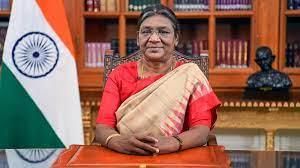
(ii) The government builds roads.
(iii) A new municipal committee is elected every year.
(iv) Municipal corporations provide civic amenities only in villages.
(v) The head of a municipal committee is called a mayor.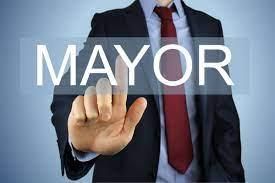
Q2: Underline the correct answers.
(i) Local self-governing bodies collect money through taxes / donations.
(ii) The minimum age to vote in a municipal election is 18 / 21 years.
(iii) A hospital / restaurant is a civic amenity.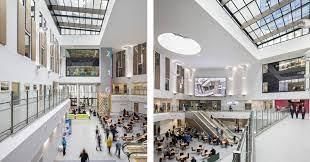
Q3: Fill in the Blanks.
(i) Civic amenities such as drinking water and electricity are provided by the ________________.
(ii) The local self-government in villages is known as ________________.
(iii) Municipal corporations are found in cities with a population of more than ________________.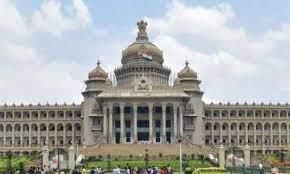
(iv) The elected members of a municipal committee are called ________________.
(v) Local bodies collect money for functioning through various ________________.
Q4: Multiple Choice Questions (MCQs).
(i) Who provides civic amenities to the people at the local level?
(a) State government
(b) Central government
(c) Local self-government
(d) International organizations
(ii) What is the head of a municipal corporation called?
(a) Chairperson
(b) President
(c) Mayor
(d) Deputy Mayor
(iii) Which city has the oldest municipal corporation in India?
(a) Kolkata
(b) Mumbai
(c) Delhi
(d) Chennai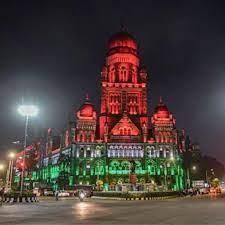
(iv) Municipal elections are held every ________________ years.
(a) 2
(b) 3
(c) 4
(d) 5
(v) Local bodies collect money through various types of ________________.
(a) Donations
(b) Loans
(c) Taxes
(d) Grants
Q5: Correct and Rewrite the Following Statements.
(i) The government provides only two civic amenities to the people.
(ii) Nagar palika and nagar nigam are the same terms for a municipal corporation.
(iii) Municipal councillors are appointed by the state government.
(iv) Local bodies never receive any money from the state government.
(v) Municipal elections are held every ten years.
Q6: Write any Two Differences between the Following.
(i) Municipal Committee and Municipal Corporation
(ii) Mayor and Deputy Mayor
Q7: Name the Following.
(i) The elected members who represent different wards in a city.
(ii) The head of a municipal committee.
(iii) The type of tax collected by local bodies for their functioning.
(iv) The oldest municipal corporation in India.
(v) The government elected by the people at the local level.
Q8: Answer these questions.
(i) Where do the local bodies get money from?
(ii) Who elects the members of the local bodies?
(iii) What is local self-government?
(iv) What are civic amenities? Give two examples.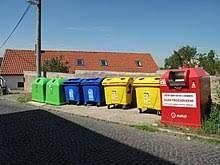
(v) How are members of a municipal committee or corporation elected?
(vi) What is the purpose of dividing a city into wards for elections?
(vii) How do local bodies collect money for their functioning?
(viii) Why is it important to cooperate with local bodies in our area?
Q9: Think and Answer.
Harjeet is a 19-year-old boy from Amritsar visiting his friend Selvan in Mumbai. Selvan is 17 years old. Can Harjeet and Selvan vote in the municipal elections? Why or why not?
You can find Worksheets Solutions here: Worksheet Solutions: Our Government
FAQs on Worksheet: Our Government
| 1. What are the three main branches of government and what do they do? |  |
| 2. How does the CBSE Class 4 curriculum explain the difference between state government and central government? | |
| 3. What's the job of the Prime Minister and how is it different from the President? | |
| 4. Why do we need rules and laws in society and government? | |
| 5. What are the main responsibilities of citizens in a democracy like India? | |