Worksheet: Mineral Resources - 1

Q1: Fill in the blanks.
(i) _________ and ___________ are the famous coal mines.
(ii) ___________ energy can be a good substitute for petroleum.
(iii) __________ are impure metallic substances as they come out of the mines.
(iv) Petroleum is being pumped out from beneath the sea bed at __________.
(v) ______________ are deep holes dug to bring out minerals.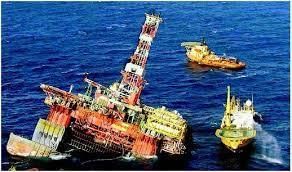
Q2: True or False.
(i) There is a big coal mine at Rourkela.
(ii) Petroleum will last forever.
(iii) There are a number of oil refineries in Assam.
(iv) Manganese is used in making steel.
(v) Bihar has many coal mines.
Q3: Tick the correct word.
(i) Mineral oil is refined to get____________.
(a) kerosene
(b) iron
(c) water
(d) None of these
(ii) Iron ore is found in___________.
(a) Himachal Pradesh
(b) Odisha
(c) Uttar Pradesh
(d) None of these
(iii) One of the causes of pollution is the use of _________.
(a) coal
(b) water
(c) sun-light
(d) none of these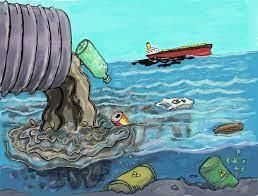
(iv) Mines are made to take out __________.
(a) metals
(b) ores
(c) minerals
(d) none of these
(v) One of the refineries is in__________.
(a) Delhi
(b) Mathura
(c) Goa
(d) None of these
(vi) Which of the following state is the leading producer of Bauxite ore?
(a) Orissa
(b) Madhya Pradesh
(c) West Bengal
(d) None of the above
(vii) Which of the following plateau is richest in minerals?
(a) Chota Nagpur plateau
(b) Deccan plateau
(c) Mysore plateau
(d) None of the above
(viii) Majhgawan mines are located in which of the following state?
(a) Uttar Pradesh
(b) Madhya Pradesh
(c) Andhra Pradesh
(d) None of the above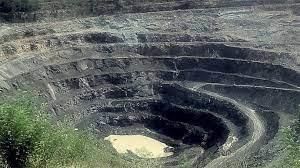
(ix) Which of the following state is the leading producer of gold?
(a) Karnataka
(b) Madhya Pradesh
(c) West Bengal
(d) None of the above
(x) Which of the following coal is the most popular coal in commercial use?
(a) Lignite coal
(b) Anthracite coal
(c) Bituminous coal
(d) None of the above
Q4: Answer the following Questions.
(i) What is a mineral?
(ii) What is a conventional source of energy?
(iii) Explain different classes of iron ores.
(iv) Why is mining hazardous?
(v) Name the mineral used for manufacturing
(a) Aluminium
(b) Cement
(c) Synthetics
(vi) Write three uses of each of the following
(a) Copper _______________, ______________, ______
(b) Iron ________________, ______________, _________
(c) Aluminium ______________, _____________, ________
You can find Worksheets Solutions here: Worksheet Solutions: Mineral Resources - 1
FAQs on Worksheet: Mineral Resources - 1
| 1. What are the main types of minerals found in India for Class 4 Social Studies? |  |
| 2. How do we extract minerals from the earth and why is mining important? | |
| 3. Which states in India have the richest mineral deposits and what minerals do they produce? | |
| 4. What's the difference between metallic and non-metallic minerals in everyday life? | |
| 5. Why do we need to conserve mineral resources and what happens when they run out? | |