Worksheet: Our Country India - 1

Q1: Multiple Choice Questions (MCQ).
(i) Which of these countries is not one of our neighbours?
(a) Iran
(b) Pakistan
(c) Sri Lanka
(d) Bhutan
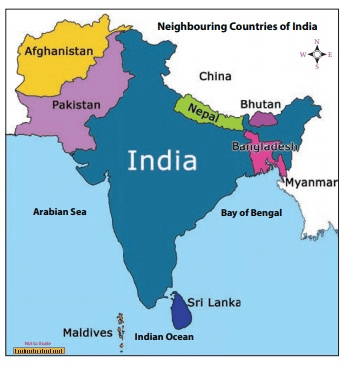 Neighbouring Countries of India
(ii) Kavaratti is the capital of which Union Territory?
(a) Assam
(b) Puducherry
(c) Lakshadweep
(d) Kerala
(iii) Which is the southernmost tip of India?
(a) Kerala
(b) Indira Point
(c) Puducherry
(d) New Delhi
(iv) How many states are there in India?
(a) 7
(b) 36
(c) 25
(d) 28
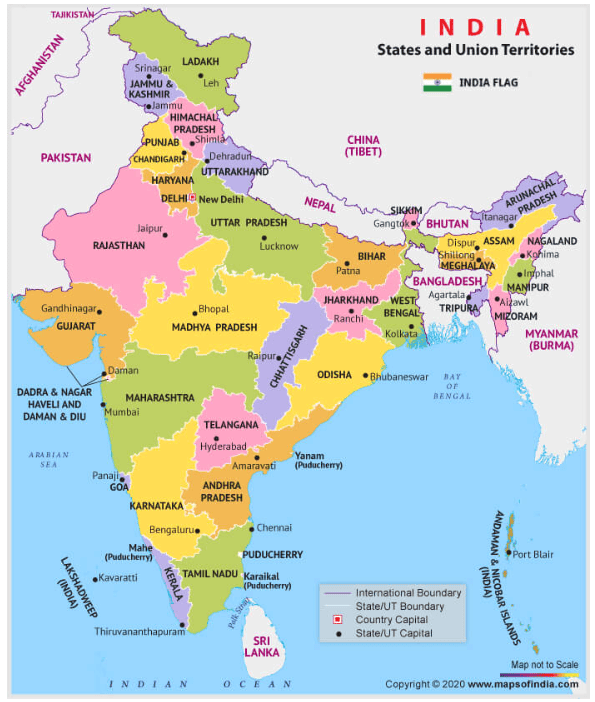 States of India
(v) In which state the language Malayalam is spoken by the people?
(a) Karnataka
(b) Odisha
(c) Kerala
(d) None of these
(vi) How many regions or zones are there in India?
(a) 6
(b) 5
(c) 4
(d) None of these
(vii) Which zone is known as 'seven sisters' of India?
(a) North-East zone
(b) East zone
(c) West zone
(d) None of these
(viii) Assam is known for which things?
(a) tea garden and oil fields
(b) forests
(c) Cold mines
(d) None of these
(ix) South zone comprises of how many states?
(a) 5
(b) 4
(c) 3
(d) None of these
(x) Which region is surrounded by seas on three sides?
(a) South zone
(b) West zone
(c) North zone
(d) None of these
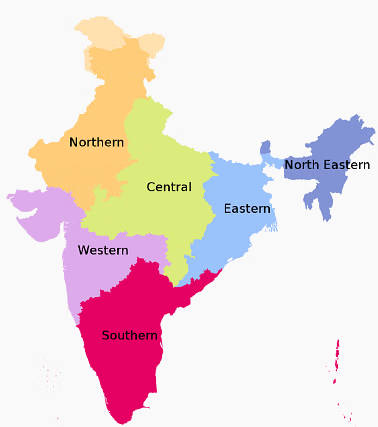 Zones of India
(xi) The highest mountain range in the world the Himalayas is lying in which zone?
(a) North zone
(b) East zone
(c) South zone
(d) None of these
(xii) Which zone is famous for wildlife sanctuaries and national parks?
(a) West zone
(b) East zone
(c) Central zone
(d) None of these
(xiii) South zone is famous for
(a) all of these
(b) silk and spices
(c) Cold mines
(d) none of these
(xiv) Which of the following is not a neighboring country of India?
(a) Indonesia
(b) Pakistan
(c) Bangladesh
(d) None of these
(xv) How many union territories are there in India?
(a) 7
(b) 6
(c) 5
(d) None of these
Q2: The underlined word in each sentence is incorrect. Write the correct word.
(i) The northern boundary of India is protected by the Alps.
(ii) Maharashtra is the largest state of India.
(iii) India is in Africa.
(iv) The capital of Telangana is Amaravati.
(v) Silvassa is the capital of both Punjab and Haryana.
Q3: Answer these questions.
(i) Which Union Territory has got two capitals?
(ii) Write the names of the water bodies that surround India.
(iii) What are the five physical divisions of India?
(iv) How will you show that you love your country?
(v) Find out the following about any one neighbouring country of India
(a) its capital
(b) the language spoken
(c) a famous monument
(d) a popular festival celebrated
Q4: Think and answer.
Why does the capital of Jammu & Kashmir shift from Srinagar to Jammu in winter?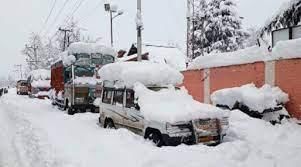
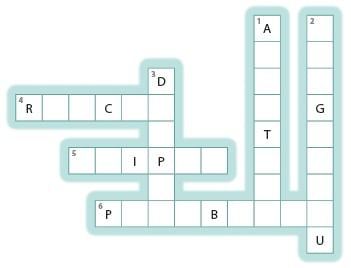
Q5: Cross Puzzle.
Fill in the word puzzle with the capitals of the given states and Union Territory.
Across
4. Jharkhand
5. Chhattisgarh
6. Andaman and Nicobar Islands
Down
1. Tripura
2. Karnataka
3. Assam
You can find Worksheets Solutions here: Worksheet Solutions: Our Country India - 1
FAQs on Worksheet: Our Country India - 1
| 1. What are the physical features and borders of India that I need to know for Class 4 Social Studies? |  |
| 2. How many states and union territories does India have, and why is this important? | |
| 3. What makes India's climate and weather patterns so different in various regions? | |
| 4. Why is India called a secular and democratic country, and what does this mean? | |
| 5. What are the major rivers of India and why are they so important to Indian society? | |