Chapter Notes: Eat Healthy Food

Why we need Food?
Food is essential for our body to maintain a healthy heart, active brain, optimally working muscles and other organs. Food provides us energy and protect against from diseases. Food is made up of nutrients. These nutrients we get from variety of food items. All food we eat comes either from plants or animals.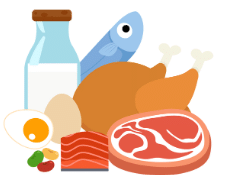
Different Types of Foods
Understanding the different types of foods and their roles is crucial for maintaining a healthy and balanced diet. There are three main categories of food:
1. Energy-Giving Foods
Energy-giving foods provide the necessary fuel for our body to perform daily activities and maintain overall energy levels. These foods are rich in carbohydrates and fats, which are the primary sources of energy.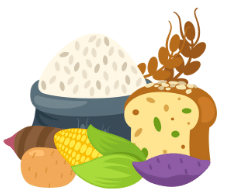 Examples include:
- Sugar: A quick source of energy, sugar is found in various forms such as table sugar, honey, and syrups.
- Nuts: Nuts like almonds, walnuts, and cashews are not only energy-dense but also provide healthy fats and proteins.
- Rice: A staple in many diets, rice is a rich source of carbohydrates.
- Chapatti: Made from whole wheat flour, chapatti is a common carbohydrate-rich food in many cultures.
- Bread: Available in various forms, bread is a convenient source of carbohydrates.
- Potatoes: Versatile and nutrient-rich, potatoes are high in carbohydrates and provide a steady energy supply.
- Butter: High in fats, butter is an energy-dense food that also adds flavor to various dishes.
2. Body-Building Foods
Body-building foods are essential for growth, repair, and maintenance of body tissues. They are rich in proteins, which are the building blocks of muscles and other tissues.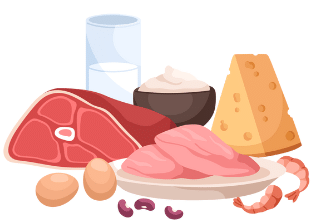 Examples include:
- Milk: A complete source of protein, milk also provides calcium and other essential nutrients.
- Eggs: Known for their high-quality protein content, eggs are also rich in vitamins and minerals.
- Fish: Fish provides high-quality protein and is also a good source of omega-3 fatty acids.
- Pulses (dal): Pulses like lentils, chickpeas, and beans are excellent plant-based sources of protein.
- Meat: Meat, including chicken, beef, and pork, is rich in protein and essential amino acids.
- Paneer: A type of cheese, paneer is a good source of protein, especially for vegetarians.
- Curd: Also known as yogurt, curd provides protein and probiotics, which are beneficial for gut health.
3. Foods that Give Resistance Against Illness
These foods strengthen the immune system and help protect the body against various illnesses. They are rich in vitamins, minerals, and antioxidants. 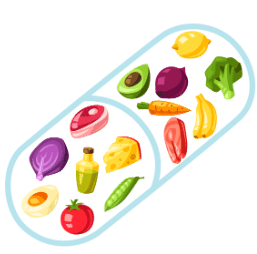 Examples include:
- Fruits:
- Pears: Rich in dietary fiber, vitamin C, and potassium.
- Oranges: High in vitamin C, which boosts the immune system.
- Grapes: Provide antioxidants, vitamins, and minerals.
- Vegetables:
- Spinach: Packed with vitamins A, C, and K, iron, and antioxidants.
- Carrot: High in beta-carotene, which the body converts to vitamin A, essential for immune function and eye health.
Different Sources of Food
Plant Foods
1. Fruits
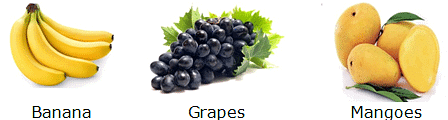
Fruits and their juices are naturally sweet. Different types of fruits contain different nutrients, so it is important to eat a variety of fruits. They keep us healthy and strong. Fruits include cherry, watermelon, muskmelon, pomegranate, grapes, banana, mango etc.
2. Vegetables
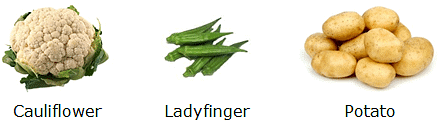
Vegetables are good source of many nutrients. Vegetables like broccoli, spinach, tomatoes and garlic are considered to be very nutritious. Other vegetable includes drumsticks, potato, tomato, radish, turnip, cauliflower, capsicum, onion, spinach etc.
Seeds We Eat1. Cereals
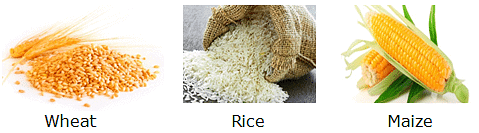
Cereals are grains used for food. Cereal includes wheat, oats, bajra (millets), maize and rice etc. Cereals are very important part of human diets is rich nutrients. Flour of wheat is used to prepare bread, roti. Flour rice is used to make idli. Cereal grains energy rich foods for humans.
2. Pulses
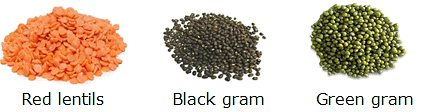
Pulses are the edible seeds. The main pulses include chickpeas, kidney beans, red gram, black gram (urad), red lentil, green. Pulses are used as foods such as dal, sambhar, curry etc.
3. Nuts
Nuts are very nutritious and give lot of energy. They are considered healthy snacks. Nuts include pistachios, walnut, raisins, peanuts, almond, cashew nut etc.
4. Oil seeds
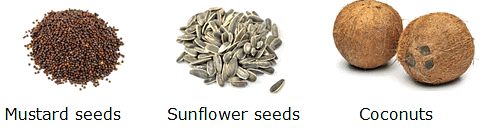
Oils play an important part in a healthy and balanced diet. These include sunflower, groundnut, mustard, sesame seeds etc.
Food from Animal
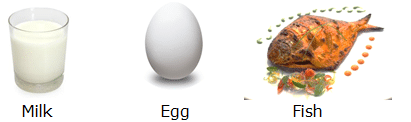
Foods from animals and fish give extra energy and strengthen muscles and the immune system. These foods include all forms of meat, poultry (birds), fish, eggs and dairy products such as milk, sour milk, buttermilk, yoghurt and cheese.
Healthy food
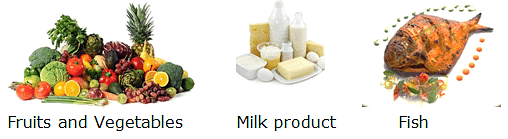
Healthy food includes all food that provides essential nutrients to the body. It keeps our body fit and healthy. Healthy food is essential for proper growth and maintenance of body.
Junk food
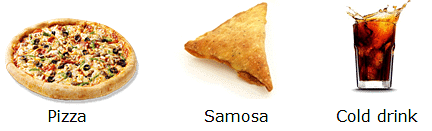
Junk food contains extra calories. These are unhealthy and difficult to digest. These foods are very tasty but contain very less nutrients. These include samosa, finger chips, burger, pizza, chips etc.
Ingredients
Ingredients are edible substance that combined to prepare a dish such as fruits, vegetables, spices, dairy products etc.
- Ingredients of rice - raw rice and water
- Ingredients of dal - pulses, oil, turmeric powder, salt, water, chili
- Ingredients of idli - rice, pulses, salt, water
What is a Balanced Diet?
Balanced diet is a diet consisting of a variety of different types of food and providing adequate amounts of the nutrients necessary for good health.
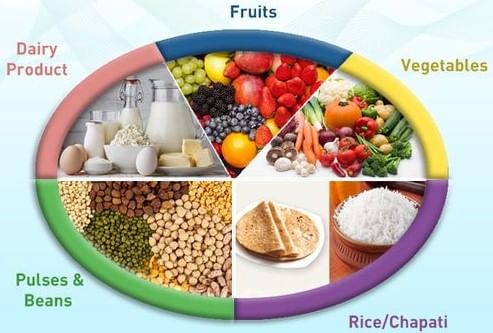 Balanced Diet
Meals of the Day
There are three main meals in a day that we must eat-breakfast, lunch, and dinner.
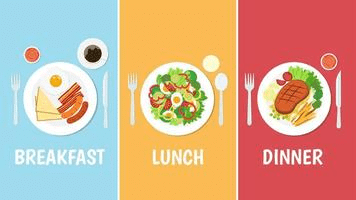
- We eat breakfast in the morning before leaving for work or for school. Breakfast usually includes milk, fruits, egg, bread, juice, parathas, or idlis.
- Lunch is the meal that we take in the afternoon. It includes rice, chapattis, dal, and vegetables.
- We eat dinner at night with all our family members.
FAQs on Chapter Notes: Eat Healthy Food
| 1. Why do we need food? |  |
| 2. What are the different types of foods? | |
| 3. What are the different sources of food? | |
| 4. What is a balanced diet? | |
| 5. What are the recommended meals of the day for a healthy diet? | |