Worksheet Solutions: Crop Production and Management

Multiple Choice Questions (MCQs)
Q1: Which of the following is not a kharif crop?
A) Maize
B) Bajra
C) Soybean
D) Wheat
Ans: D) Wheat
Wheat is a rabi crop, not a kharif crop.
Q2: What is the main purpose of irrigation?
A) To increase soil fertility
B) To supply water to crops
C) To control pests
D) To harvest crops
Ans: B) To supply water to crops
Irrigation is primarily used to provide necessary water to crops, especially when rainfall is insufficient.

Q3: Which method of irrigation saves water and is most effective for a scarce water resource?
A) Sprinkler system
B) Drip system
C) Tube well
D) Chain pump
Ans: B) Drip system
The drip system delivers water directly to the roots, minimizing wastage and is best for areas with scarce water resources.
Q4: What does the process of harvesting involve?
A) Adding manure to the soil
B) Removing weeds
C) Cutting down the mature crop
D) Watering the plants
Ans: C) Cutting down the mature crop
Harvesting involves cutting down the crop once it has fully matured or ripened.
Q5: Which of the following is a benefit of using manure over fertilizers?
A) Increases water pollution
B) Reduces the number of microbes in the soil
C) Makes soil porous and improves texture
D) Decreases the water-holding capacity of the soil
Ans: C) Makes soil porous and improves texture
Manure improves soil structure, makes it porous, and enhances water retention, unlike chemical fertilizers, which primarily provide nutrients but don't add organic matter or humus.
Fill in the Blanks
Q1: The process of turning and loosening the soil is called tilling or ploughing .

Q2: Plants that are grown and cultivated on a large scale for food are called crops.
Q3: A tool used to cut the crop once it has matured is called a sickle.
Q4: Kharif crops are sown during the rainy season and harvested by September/October.
Q5: Manure is the term used to describe organic matter added to the soil to help improve its fertility.
True/False Questions
Q1: The sickle is used for ploughing the field.
Ans: False
A sickle is used for harvesting, not ploughing.
Q2: Chemical fertilizers add humus to the soil.
Ans: False
Chemical fertilizers supply minerals to the soil but do not add humus; organic manure does.
Q3: Crop rotation can help replenish soil nutrients.
Ans: True
Rotating different crops allows the soil to naturally replenish lost nutrients.
Q4: All crops need to be stored in moisture-free conditions.
Ans: True
Storing crops in moisture-free conditions prevents spoilage and pest infestation.
Q5: Weeding is unnecessary for crop growth.
Ans: False
Explanation: Weeding is essential as it removes competition for nutrients, light, and space, promoting healthier crop growth.
Very Short Answer Questions
Q1: Why can paddy not be grown in the winter season?
Ans: Paddy requires a lot of water. Therefore, it is grown only in the rainy season.
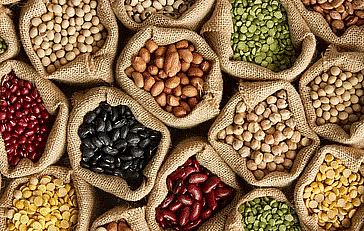
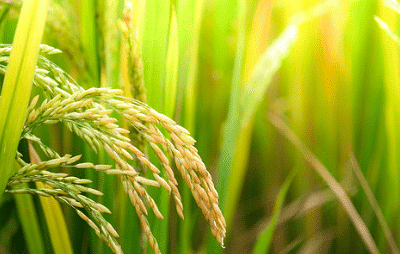 PaddyQ2: What are good quality seeds?
Ans: Good quality seeds are clean and healthy seeds of a good variety.
 SeedsQ3: How are grains stored at home?
Ans: Dried neem leaves are used for storing food grains at home.
Q4: What is sowing?
Ans: Sowing is the process of planting seeds in the soil.
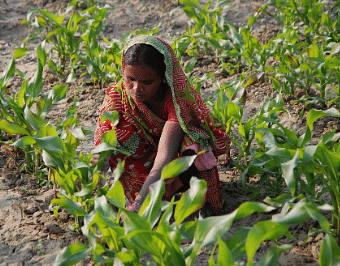
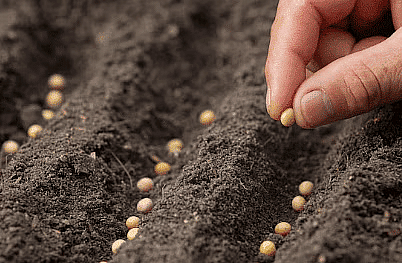 SowingQ5: What is called weeding?
Ans: The removal of weeds is called weeding.
 WeedingQ6: Why does the loosening of soil allow the roots to breathe easily?
Ans: Loosening of the soil allows the roots to breathe easily because air fill up the spaces between the soil particles and provides airy soil to the roots.
Q7: What are the advantages of using manure in crop fields?
Ans: The use of manure improves soil texture as well as its water-retaining capacity. It replenishes the soil with all the nutrients.
 ManureQ8: Why do farmers rotate crops in the field?
Ans: Farmer rotates crops in the field because crop rotation helps in the replenishment of the soil nutrients.
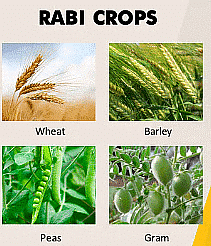
Q9: What are Rabi crops?
Ans: The crops grown in the winter season are called rabi crops. Their time period is generally from October to March. Examples of rabi crops are wheat, gram, pea, mustard and linseed.
 Q10: Why earthworms and microbes are called friends of farmers?
Ans: The loosened soil helps in the growth of earthworms and microbes present in the soil. These organisms are friends of the farmer since they further turn and loosen the soil and add humus to it.
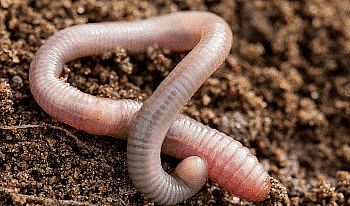 Earthworm
FAQs on Worksheet Solutions: Crop Production and Management
| 1. What are the main steps involved in crop production and management for CBSE Class 8? |  |
| 2. How do fertilizers differ from manure in crop production? | |
| 3. What are the best methods to protect crops from pests and diseases? | |
| 4. Why is soil preparation so important before sowing seeds? | |
| 5. What's the difference between Kharif and Rabi crops in Indian agriculture? | |