Chapter Notes: A Shelter so High!

The chapter titled "A Shelter So High" tells the story of Gaurav Jani, a traveler who went from Mumbai to Ladakh. He shares what he went through during his journey in the chapter.
A Traveller's Tale
The story is about Gaurav Jani who loves his motorcycle, Loner, very much. They're always together and never felt lonely. Whenever they got a chance, they escaped from the busy and noisy city of Mumbai to explore different parts of India. One of their most exciting adventures was traveling on the highest roads in India.
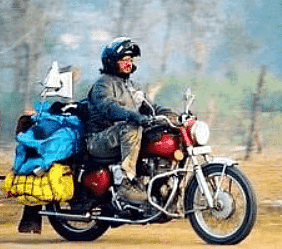
- Leaving Mumbai, he reached Delhi in 3 days. Delhi looked like Mumbai, with houses made of cement, bricks, glass, and steel
- Gaurav was tired of seeing the same kind of houses and was excited to see wooden houses, homes with sloping roofs, and snowy landscapes.
- After Delhi, he reached Manali in two days and then headed for Leh in Ladakh.
- He travelled through tough and hilly roads in Jammu Kashmir UT to reach Leh in Ladakh.
New Home
Gaurav was traveling alone with his motorcycle, Loner, and they're covering a lot of ground each day. They only need food and a small tent to stay warm at night. The tent is so tiny that Gaurav can barely fit inside to sleep, while his loyal motorcycle, Loner, keeps watch outside. They wake up to the breeze and birdsong, enjoying the beautiful sunrise.
Cold Desert (Leh)
Gaurav Jani reached Leh and for the first time in his life, he had seen such an area. It is a high, dry, and flat region and is called a cold desert. The Ladakh region receives very little rainfall.
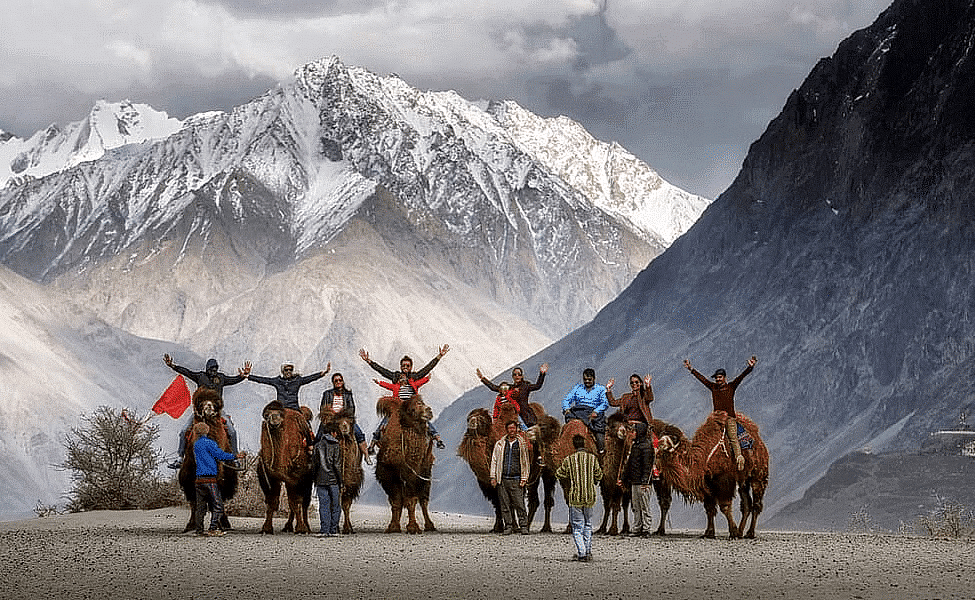
- There are snowcapped mountains and cold flat ground. There was a quiet street with beautiful houses in Leh.
- As he rode slowly through the street, he was followed by a group of children. They were welcoming him. Everyone in the group wanted him to come to their house. Finally, Tashi dragged him to his house.
Try yourself: What is the climate like in the Leh region?
At Home with Tashi
Tashi's house has two floors made of stones covered with mud and lime. The ground floor is where animals stay and goods are stored, while Tashi's family lives on the first floor.
In winter, when it's very cold, Tashi's family moves downstairs because it's warmer there and the ground floor has no windows.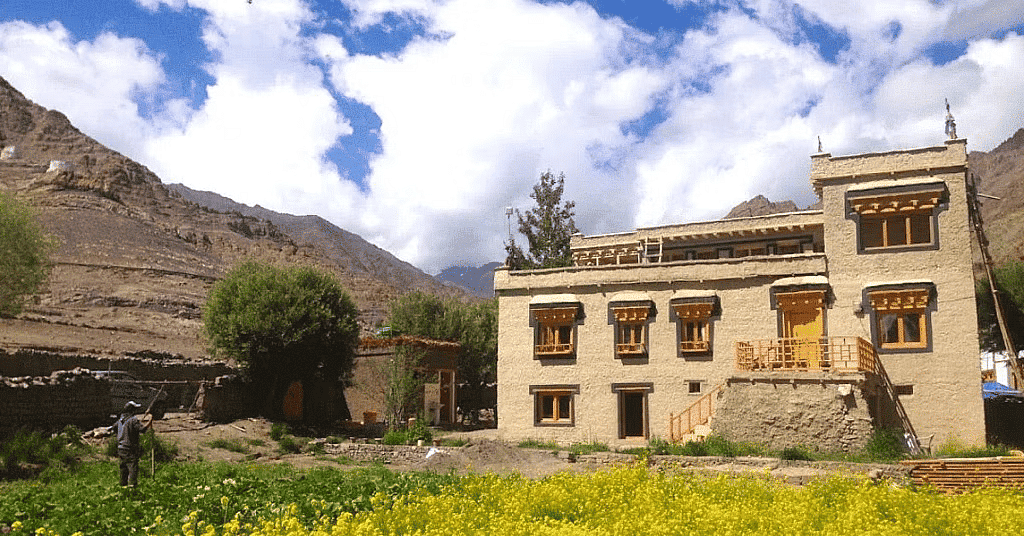
- From Tashi's roof, you can see a beautiful view. People in Leh and Ladakh use their roofs to dry fruits, veggies, and cow dung cakes in summer, and to sit in the sun in winter.
- Every part of the houses in Leh and Ladakh is designed to help people. The thick walls, wooden floors, and ceilings keep them warm.
People Living on the Top of the World
- He climbed up steep, winding, and rocky mountain roads to reach the rocky plains of Changthang.
- Changthang is about 5000 meters high from the sea level.
- At this height, there's less oxygen in the air, making it hard to breathe.
- Breathing becomes difficult because of the low oxygen level.
The Changpa
- Gaurav Jani met a person named Namgyal and learned about the Changpa tribe, who live in the high mountains.
- The Changpa tribe consists of only 5000 people and they rely on their goats and sheep for everything.
- The goats of the Changpas are very important to them because they provide the famous Pashmina wool.
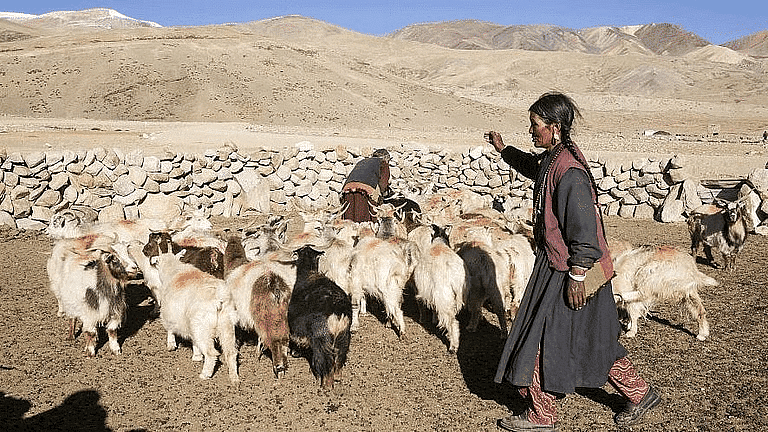 Changpa Tribe
 - Changpas raise their goats in high, cold places because they produce better and softer wool there.
- Changpas live in cone-shaped tents called Rebo, which are more than a thousand years old.
- The tents are as big as rooms and the Changpas keep their sheep and goats in a nearby area called lekha.
- Women and young girls from the Changpa tribe count and take care of the animals in the lekha.
The World-Famous Pashmina
- A Pashmina shawl is as warm as 6 sweaters even though it's very thin.
- The goats that provide Pashmina wool live at high altitudes of 5000 meters or more, where temperatures drop below 0°C in winter.
- These goats have a fine, warm coat of hair that protects them from extreme cold.
- In summer, the goats shed some of their hair to stay cool.
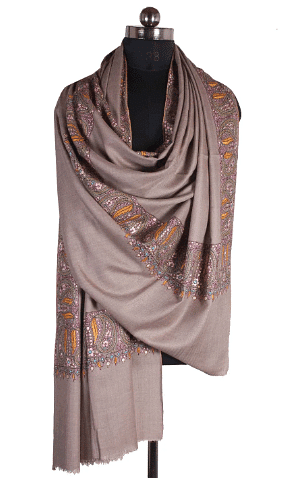 Pashmina Shawl
 - A single strand of hair from these goats is so thin that it takes 6 strands to match the thickness of one human hair.
- Pashmina shawls are woven by hand, which is a difficult task. It takes 250 hours to weave a single shawl.
- Gaurav Jani traveled to Srinagar from Ladakh via Kargil. He spent a few days in Srinagar and saw different types of houses there.
Houses of Srinagar
- Houseboats are like houses but they float on water. Tourists enjoy staying in them. They can be as long as 80 feet and about 8 to 9 feet wide.
- Donga is a type of houseboat where families in Srinagar live. You can find them on Dal Lake and the Jhelum River. Inside, they look just like regular houses with different rooms.
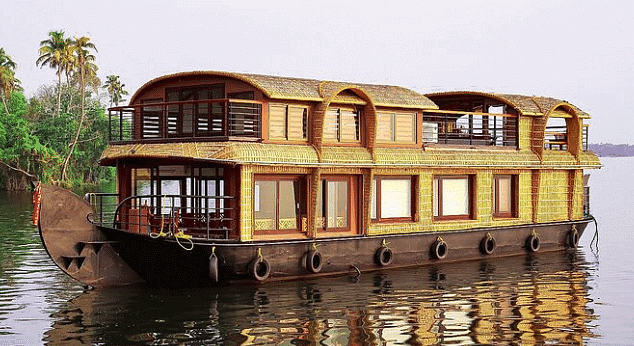 Houseboat
 - Khatamband is a pattern carved on wood, often seen on the ceilings of houseboats and big houses. It looks like a jigsaw puzzle.
- In Kashmir villages, houses are made of stones stacked on top of each other and covered with mud. They also use wood, and the houses have slanted roofs.
- Dab is a special type of window in old Kashmir houses that sticks out from the wall. It has a pretty wooden pattern and is used for sitting and enjoying the view outside.
- Mehraab refers to the beautiful arches on the doors and windows of houses.
- Finally, Gaurav sadly returned to Mumbai.
Return Journey
- While coming back home gaurav was comparing the houses in Jammu to those in Mumbai, finding them similar but not as special as those in Leh and Srinagar.
- He express a heavy heart as they return to Mumbai, feeling discomfort by his motorcycle, named Loner, to come back.
- Despite feeling heavy-hearted, gaurav is happy about the new things they learned and experienced during the journey.
- They have captured memories in their camera and acknowledge that this journey is not the end.
- The narrator looks forward to future journeys with Loner whenever they feel bored of the city.
FAQs on Chapter Notes: A Shelter so High!
| 1. What is the significance of Leh being referred to as a Cold Desert? |  |
| 2. Who are the Changpa people and where do they live? | |
| 3. Why is Pashmina wool from Leh world-famous? | |
| 4. What are some unique features of the houses in Srinagar? | |
| 5. What can a traveller expect on their return journey from Leh? | |


