Muscles & Types of Muscles

Muscles
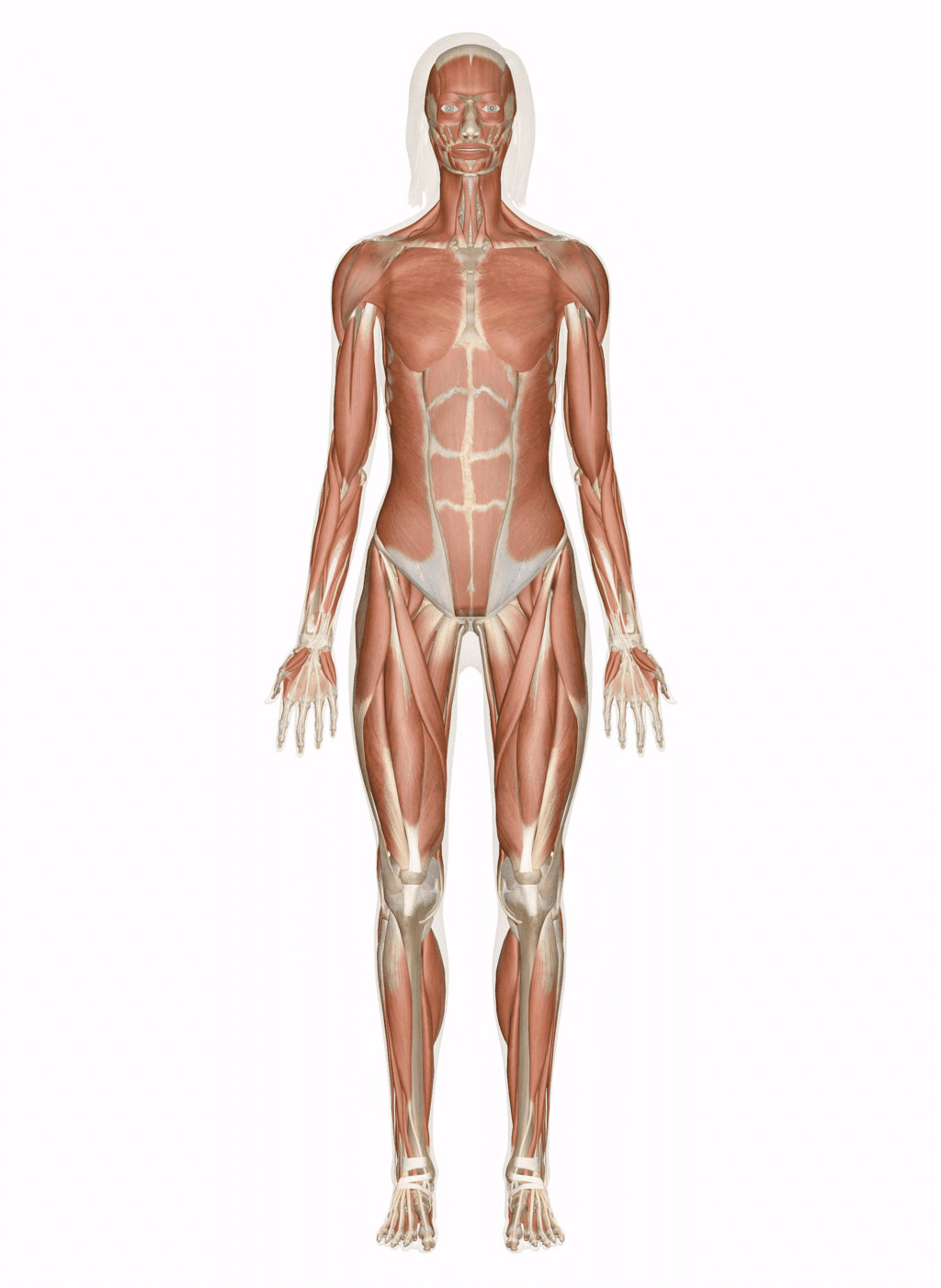
Our bones cannot move on their own. They need the help of the muscles and joints to move. A muscle is a fleshy bundle of fibres made of an elastic-like material. Muscles are attached to bones by strong bands called tendons.
- Muscles help our body to grow and remain strong.
- They take part in important metabolic activities such as digestion, respiration and excretion.
- Our body has more than 650 muscles. These muscles together make up a large part of our body weight.
- Muscles act in one direction only; they can pull (contract) but cannot push.
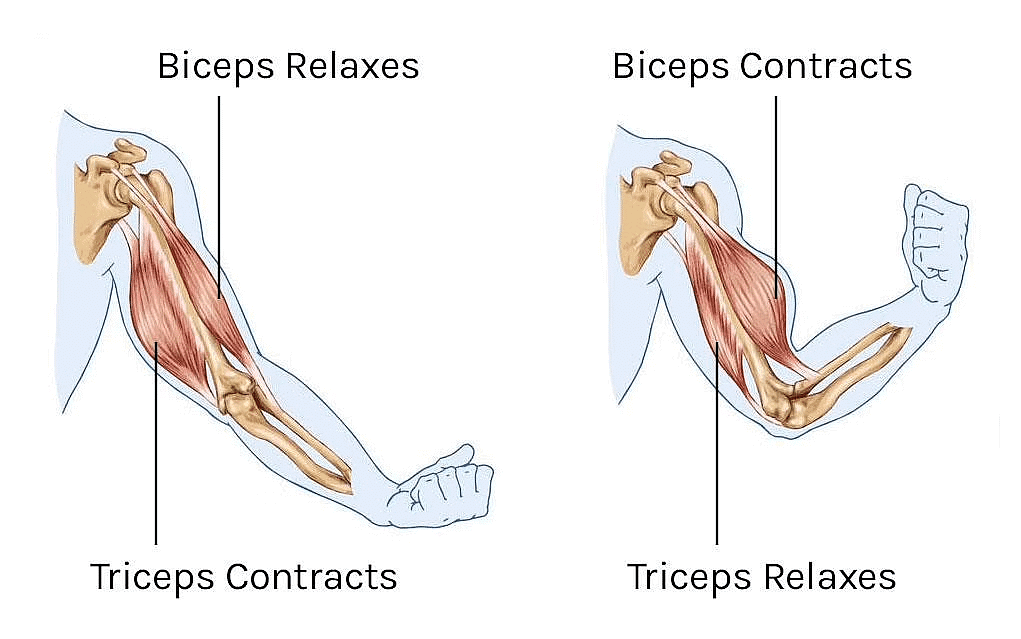
- To move a bone at a joint, two muscles are usually needed so that one can pull in one direction and the other can pull back.
For example, when we raise our arm the biceps contracts and pulls the forearm up; when we lower the forearm the triceps contracts to pull it down.
Types of Muscles
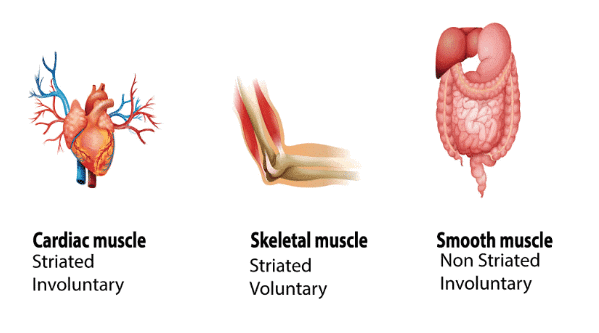
According to their structure and functions, there are three main types of muscles in the human body.
 Types of Muscles
1. Voluntary (Skeletal) Muscles
- These muscles are under our control. We decide when to move them.
- They bring about movements of the skeleton and body parts.
- Voluntary muscles contract quickly and powerfully when we want to move fast or lift weight.
- They are found in the limbs (arms and legs), eyes, tongue and many other places connected to bones.
- Activities such as running, walking, bending and stretching use these muscles.
2. Involuntary (Smooth) Muscles
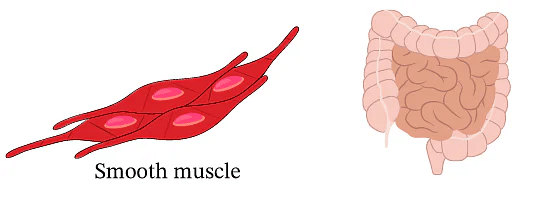
- These muscles are not under our conscious control; they work automatically.
- They control movements inside the body, for example the movement of food through the alimentary canal (digestive tract), the flow of blood in blood vessels and the movement of the ribs during breathing.
3. Cardiac Muscle
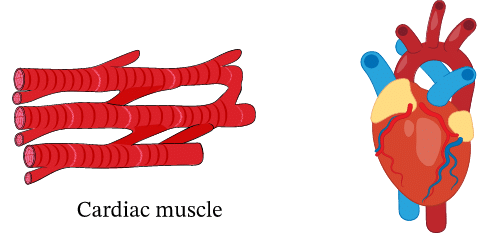
- The cardiac muscle makes up the walls of the heart.
- It is involuntary in action (we cannot control it), but its structure is similar to that of voluntary muscles.
- Cardiac muscle is found only in the heart and works continuously throughout life, pumping blood without stopping and without getting tired easily.
Working of Muscles

- Muscles usually work in pairs. One muscle of the pair shortens (contracts) while the other relaxes.
- When a muscle contracts, it becomes shorter and pulls the bone to which it is attached, bringing two bones closer together.
- For example, when the knee bends during walking or running, one muscle contracts and becomes shorter while the opposing muscle relaxes.
- When the leg is stretched again, the reverse happens: the muscle that relaxed earlier contracts and the other relaxes.
- Each movable joint usually has two sets of muscles - one set to pull the bones in one direction and the other set to pull them back.
Development of Muscles
To have a healthy and well-formed body, muscles must be strong. The following habits help muscles develop and stay strong:
- Exercise regularly.
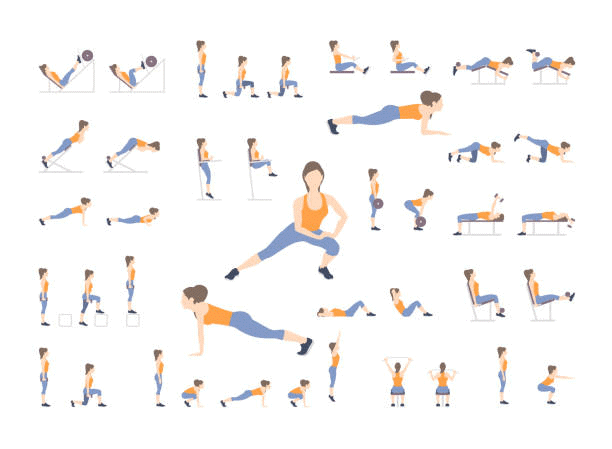
- Play outdoor games and take part in physical activities.
- Take proper rest so muscles can recover and grow.
- Maintain good eating habits; a balanced diet with protein, vitamins and minerals helps muscles grow.
We should not adopt bad habits like smoking, chewing tobacco, drinking alcohol or taking harmful drugs. These habits damage our muscles and overall health. Regular exercise, games, rest and good food keep our body healthy and strong.
Function of Muscles
- Muscles play several important roles in the body.
- Produce movement: Muscles contract to move parts of the body and the whole body.
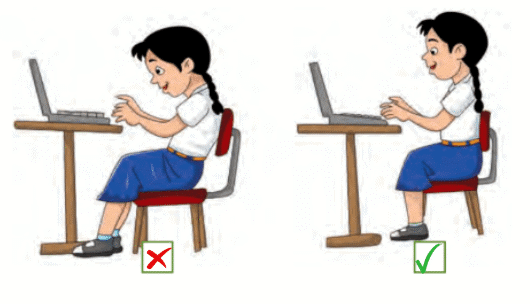
- Maintain posture: Skeletal muscles hold the body in position and help maintain posture.
- Stabilise joints: Muscles support and protect joints by holding them steady during movement.
- Generate heat: Muscular activity produces heat as a by-product, which helps to maintain body temperature.
Summary
Muscles are essential for movement and many internal processes. They attach to bones by tendons and work mostly by contracting. There are three types - voluntary (skeletal), involuntary (smooth) and cardiac - each with special roles. Muscles work in pairs at joints, and healthy muscles are built by regular exercise, good food, rest and avoiding harmful habits.
FAQs on Muscles & Types of Muscles
| 1. What are the three types of muscles in our body? |  |
| 2. How do skeletal muscles work? | |
| 3. How do smooth muscles differ from skeletal muscles? | |
| 4. What is the role of cardiac muscles in our body? | |
| 5. How do muscles develop and grow? | |