Descriptive Writing

Writing to Describe
Vividly describe a person, object, event or experience. The reader should feel as if they have entered the writer's world and imagination.
Do not get this confused with writing a story with a plot! With descriptive writing there is no movement in time.
You are painting a snapshot with your words. The reader cannot see what you can, therefore, you need to entice their five senses. Make the image tangible for them. Use different colours and strokes in your artwork; these will be your stimulating nouns and adjectives. Grab the attention of the viewer and hold it, as you manoeuvre through your piece.
See yourself as a tour guide, moving an audience physically and emotionally around a motionless photograph. There are no time elements or a particular logical approach, as to where to begin or end. You are in control.
Take them where you wish but continually ask yourself:
- Why am I taking them here?
- Why have I chosen to use this particular time?
Example Question
Sometimes you are given an image to act as a stimulus: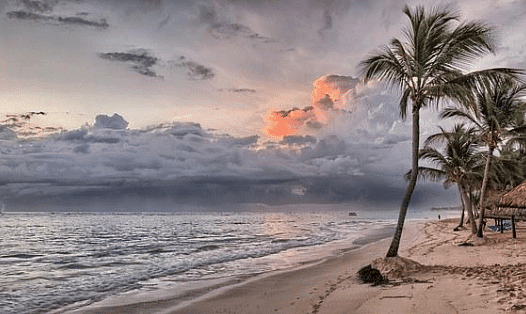
For example, an image of an ocean, it will most definitely contain a variety of fish.
Alternatively, you may be given a statement:
For example:
- Describe a time when you were confined.
- Write a description of a teenager leaving home.
- Write a description of a new-born baby.
Planning an Effective Response
If an image is given to you, during your exam, then you are given a handy head start and you can proceed to planning.
Identify: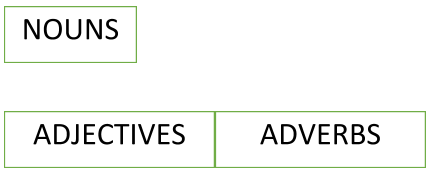 Annotate the image, squeezing out as much detail as possible. Do not limit yourself to just the obvious details. Dig deeper, what else could you presume would feature in this scene? Could something significant be happening outside of the snapshot? Make sure that you do not make wild assumptions and detract from the true essence of the picture.
If are not given an image to support this question, you have to work a little harder but you are now free from restrictions. What appropriate image can you draw on for inspiration?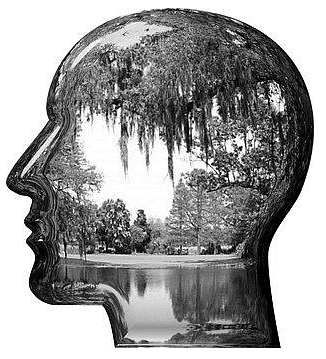
Keep it minimal and something that can be imagined by all, otherwise, you will overwhelm your reader if there is information overload. Image in mind, make some brief notes or even a sketch so that you can physically see your imagination on paper.
Aim to take your reader on a journey. Remember, the order or presentation if totally up to you. Be clear on your order, before you begin writing anything.
Consider:
- Where will you begin? Why?
- Where do you want them to go? Why?
- What do you want them to learn? Why?
- What small detail do you want them to see as significant?
- Why?
- Where do you want them to end? Why?
Maybe you might like to think of it this way, if this were a silent movie, which camera angles would you use?
You could start from a wide angle and then zoom in to a significant detail. In reverse, you could start with a small detail and zoom out to reveal the greater context.




