CBSE Class 5  >  Class 5 Notes  >  Science   >  Worksheet: Animal Life - 1

Worksheet: Animal Life - 1

Q1: Multiple Choice Questions (MCQs).


(i) Which of the following animals belong to the group of mammals?
(a)
Fish
(b) 
Birds
(c) 
Reptiles
(d) 
Humans
Q1: Multiple Choice Questions (MCQs).

(ii) Which of the following animals is classified as an amphibious animal?
(a) Lion
(b) Frog
(c) Shark
(d) Eagle

(iii) Which of the following animals lay eggs?
(a) 
Mammals
(b) 
Birds
(c) 
Fish
(d) 
Both b and c
Q1: Multiple Choice Questions (MCQs).

(iv) Which of these animals is a herbivore?
(a) 
Lion
(b) 
Tiger
(c) 
Elephant
(d) 
Shark

(v) Why do some animals migrate?
(a) To change their body covering
(b) To search for food and safe breeding places
(c) To compete with other animals
(d) To avoid sunlight

Q1: Multiple Choice Questions (MCQs).

Q2: Fill in the Blanks.


(i) The smallest unit of living organisms is called ____________.

(ii) Animals that lay eggs are called ____________.

(iii) The process of shedding old skin in reptiles is known as ____________.
Q2: Fill in the Blanks.

(iv) The group of animals that have a backbone is called ____________.

(v) Animals that cannot make their own food and depend on other organisms for food are called ____________.

Q3: Match the Following
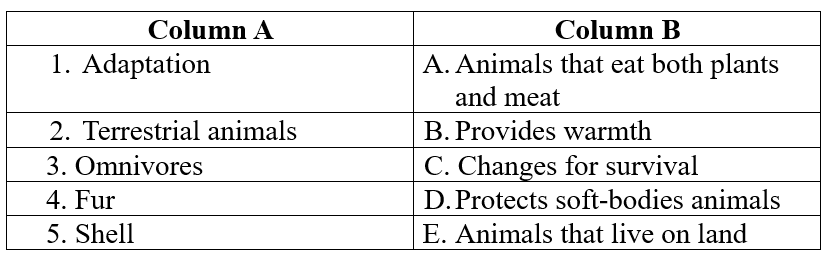
Q3: Match the Following

Q4: True or False.


(i) All animals need air, water, and food to survive.

(ii) Fishes have lungs to breathe underwater.

(iii) Herbivores eat plants for their nutrition.

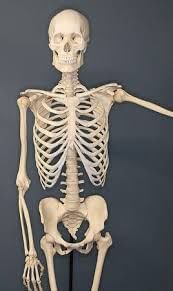
(iv) The skeleton inside the body is called an exoskeleton.
Q4: True or False.

(v) The process of breaking down food into simpler substances is called digestion.

Q5: Give reasons.

(i) Birds like ostrich, emu, and penguin cannot fly.

(ii) Ducks, fowls, and bears are called omnivores.

(iii) Animals like cow, sheep, goat, zebra, and horse have sharp front teeth (incisors) and large flat back teeth (molars).

Q6: Short Answer Questions.


(i) What is the primary difference between mammals and birds?

(ii) Name two adaptations of animals that help them survive in their habitats.

(iii) Why do some animals have camouflage?

(iv) Name two animals that are carnivores and two animals that are herbivores.

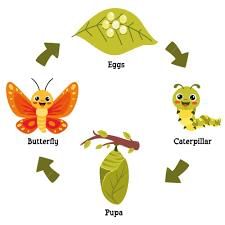
(v) Describe the life cycle of a butterfly.
Q6: Short Answer Questions.

(vi) Name the body covering of the following animals.
Snail, Fish, Sheep, Polar Bear

(vii) How do the following animals move?
Turtles, Penguins, Water Boatman


You can find Worksheets Solutions here: Worksheet Solutions: Animal Life - 1 

The document Worksheet: Animal Life - 1 is a part of the Class 5 Course Science Class 5.
All you need of Class 5 at this link: Class 5

FAQs on Worksheet: Animal Life - 1

1. What are the different types of animal habitats and where do animals live?
Ans. Animal habitats are specific environments where different species live, such as forests, deserts, oceans, grasslands, and wetlands. Each habitat provides food, shelter, and water suited to the animals living there. For example, aquatic animals thrive in water environments, while terrestrial animals live on land. Understanding animal habitats helps students recognise how organisms adapt to their surroundings and depend on specific environmental conditions for survival.
2. How do animals get their food and what are herbivores, carnivores, and omnivores?
Ans. Animals obtain food through different feeding methods based on their diet type. Herbivores eat only plants, carnivores hunt and eat meat, while omnivores consume both plants and animals. These feeding habits determine an animal's role in the food chain. Recognising these classifications helps students understand animal behaviour, digestive systems, and ecological relationships in nature.
3. What body features help animals survive in their environment?
Ans. Animals possess special adaptations-physical features and behaviours-enabling survival in specific habitats. Examples include thick fur for cold climates, wings for flight, sharp teeth for hunting, and camouflage for protection. These structural and functional characteristics develop over time, helping animals find food, escape predators, and reproduce. Studying animal adaptations reveals how organisms are perfectly suited to their ecosystems and living conditions.
4. How do animals move and what are the different types of animal locomotion?
Ans. Animals move using various methods suited to their habitats: walking, running, swimming, flying, crawling, and slithering. Movement depends on body structure and limb types. Birds fly using wings, fish swim with fins, snakes crawl without limbs, and mammals walk or run using legs. Different locomotion methods reflect how animals interact with their environment and hunt for food or escape danger.
5. What is the life cycle of animals and how do they reproduce and grow?
Ans. Animal life cycles involve birth, growth, reproduction, and death. Most animals undergo stages: eggs hatch into young, which mature into adults capable of producing offspring. Some animals like insects undergo metamorphosis, changing form dramatically. Mammals give birth to live young. Understanding animal reproduction and growth stages helps students grasp how species continue and develop through different life phases.
Explore Courses for Class 5 exam
Get EduRev Notes directly in your Google search
Related Searches
shortcuts and tricks, Semester Notes, Sample Paper, Objective type Questions, Worksheet: Animal Life - 1, ppt, Worksheet: Animal Life - 1, practice quizzes, Previous Year Questions with Solutions, Important questions, Worksheet: Animal Life - 1, study material, video lectures, past year papers, Extra Questions, mock tests for examination, Summary, pdf , Exam, Free, Viva Questions, MCQs;