Worksheet: Skeletal & Muscular System - 1

Q1: Multiple Choice Questions (MCQs).
(i) Which of the following is a function of the skeletal system?
(a) Produces body heat
(b) Provides support and shape to the body
(c) Stores fat
(d) Controls body temperature
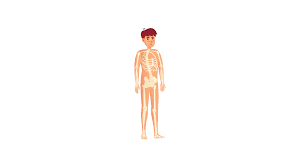
(ii) How many bones are there in the human body?
(a) 206
(b) 215
(c) 220
(d) 230
(iii) What type of joint allows maximum movement?
(a) Hinge joint
(b) Pivot joint
(c) Ball-and-socket joint
(d) Gliding joint
(iv) Which of the following is a type of muscle found in the body?
(a) Cardiac muscle
(b) Sinew muscle
(c) Plasma muscle
(d) Bone muscle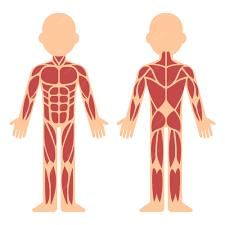
(v) What is the longest bone in the human body?
(a) Tibia
(b) Femur
(c) Humerus
(d) Ulna
Q2: Fill in the blanks.
(i) The human body has _____ bones.
(ii) Bones are connected to each other by ____.
(iii) The _____ is the longest bone in the human body.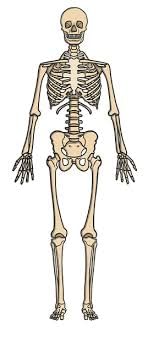
(iv) The _____ is responsible for protecting our brain.
(v) Muscles are attached to bones by _____.
Q3: Match the column.
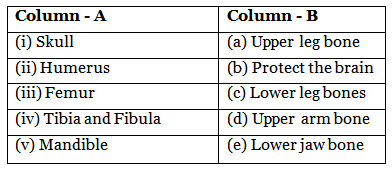
Q4: True or False.
(i) Bones produce blood cells.
(ii) There are 107 bones in the human body.
(iii) The smallest bone in the human body is the femur.
(iv) Muscles can only push, not pull.
(v) There are two types of muscles: voluntary and involuntary.
Q5: Arrange in Correct Order.
(i) Arrange the following bones in the correct order, from the top of the body to the bottom:(a) Skull
(b) Spine
(c) Femur (thigh bone)
(d) Ankle bones
(ii) Arrange the muscles based on their structure (from striated to non-striated):
(a) Cardiac muscles
(b) Skeletal muscles
(c) Smooth muscles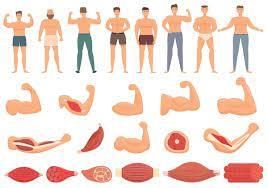
(iii) Arrange the bones in the correct order of their position in the human body from bottom to top
(a) Hindlimbs
(b) Ribs
(c) Skull
(iv) Arrange the parts of the skeleton in their correct order from top to bottom
(a) Skull
(b) Ribs
(c) Tibia
(v) Arrange the following leg bones in their correct order from bottom to top
(a) Tibia and Fibula
(b) Patella
(c) Femur
Q6: Choose the Odd One Out.
(i) Which of the following bones is the odd one out?
(a) Femur (thigh bone)
(b) Humerus (upper arm bone)
(c) Patella (kneecap)
(d) Ribs
(ii) Which of the following is the odd one out?
(a) Biceps
(b) Femur
(c) Skeletal muscles
(d) Triceps
(iii) Which of the following bones is the odd one out?
(a) Radius
(b) Ulna
(c) Femur
(d) Humerus
(iv) Which of the following muscles is the odd one out?
(a) Ribs
(b) Handlimbs
(c) Radius
(d) Heart
(v) Which of the following bones is the odd one out?
(a) Skull
(b) Radius
(c) Ulna
(d) Humerus
Q7: Short Answer Questions.
(i) What are the three types of muscles found in the human body?
(ii) What is the function of tendons?
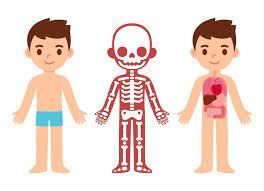
(iii) What are the two main parts of the human skeletal system?
(iv) What is the difference between voluntary and involuntary muscles?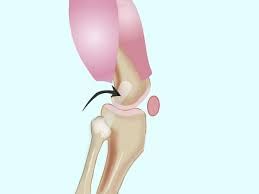
(v) How do muscles work to produce movement?
You can access the solutions to this worksheet here.
FAQs on Worksheet: Skeletal & Muscular System - 1
| 1. What are the main bones in the human skeleton and what do they do? |  |
| 2. How do muscles work with bones to help us move in Class 5 science? | |
| 3. What's the difference between voluntary and involuntary muscles? | |
| 4. Why do we need joints if bones are so strong? | |
| 5. What happens to bones and muscles if we don't exercise regularly? | |