Worksheet Solutions: Nervous System - 1


Q1: Multiple Choice Questions (MCQs)
(i) Which part of the brain is responsible for thinking and learning?
(a) Cerebrum
(b) Cerebellum
(c) Brainstem
(d) Hypothalamus
Ans: (a)
The cerebrum is the largest part of the brain and is responsible for thinking, learning, memory, and consciousness.
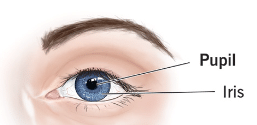
(ii) Which part of the eye lets light into the eye?
(a) Eyelid
(b) Retina
(c) Pupil
(d) Iris
Ans: (c)
The pupil is the part of the eye that lets light enter. It is the small black circle in the center of the eye.
(iii) Which type of neuron carries messages from the brain to the muscles?
(a) Sensory neuron
(b) Interneuron
(c) Motor neuron
(d) None of the above
Ans: (c)
Motor neurons carry messages from the brain to the muscles, controlling movement.
(iv) Which sense organ helps us maintain balance?
(a) Eyes
(b) Nose
(c) Tongue
(d) Ears
Ans: d)
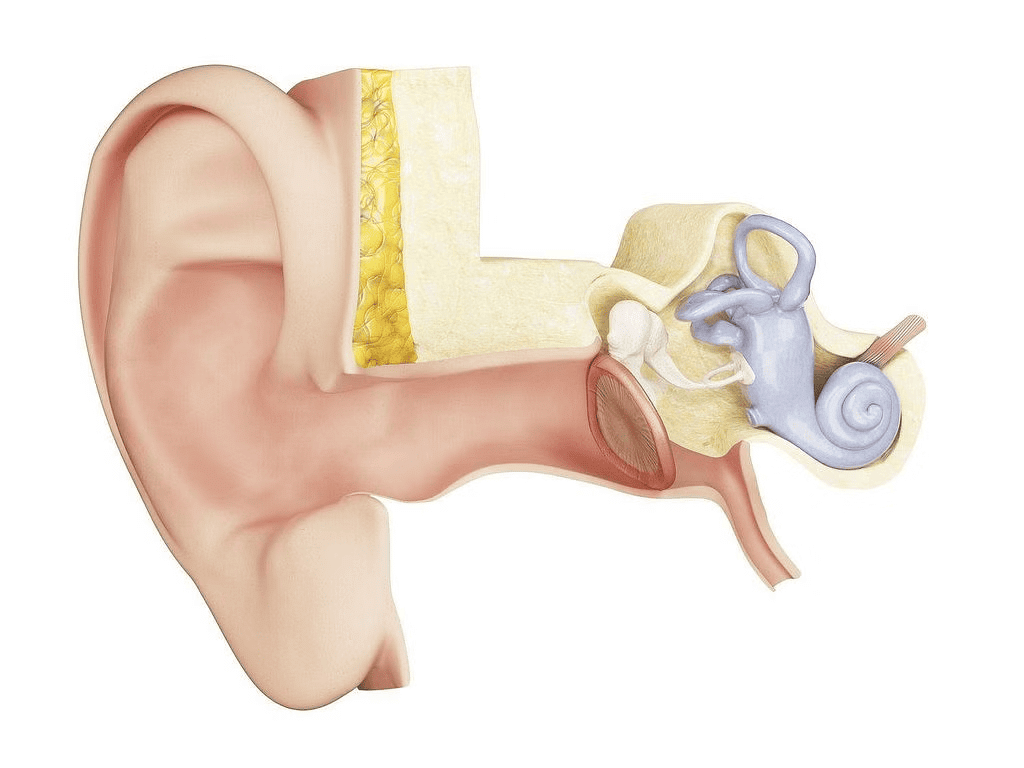
Ears help us to hear the sounds around us. They also help us to maintain balance.
(v) Which part of the brain is responsible for involuntary actions like heartbeat and breathing?
(a) Cerebrum
(b) Medulla Oblongata
(c) Cerebellum
(d) Spinal Cord
Ans: b)
Medulla Oblongata controls involuntary actions like movement of lungs in breathing and movement of heart, etc.
Q2: Fill in the blanks
(i) The ________ system is responsible for controlling and coordinating the functions of the body.
Ans: The nervous system is responsible for controlling and coordinating the functions of the body.
(ii) The brain and the spinal cord make up the ________ nervous system.
Ans: The brain and the spinal cord make up the central nervous system.
(iii) Neurons are the basic functional units of the ________ system.
Ans: Neurons are the basic functional units of the nervous system.
(iv) The ________ is the part of the brain responsible for higher cognitive functions.
Ans: The cerebrum is the part of the brain responsible for higher cognitive functions.
(v) The __________ protects the brain by enclosing it in a bony structure.
Ans: The skull protects the brain by enclosing it in a bony structure.
Q3: Write the functions of these parts of your body.
(i) Cerebrum - Thinking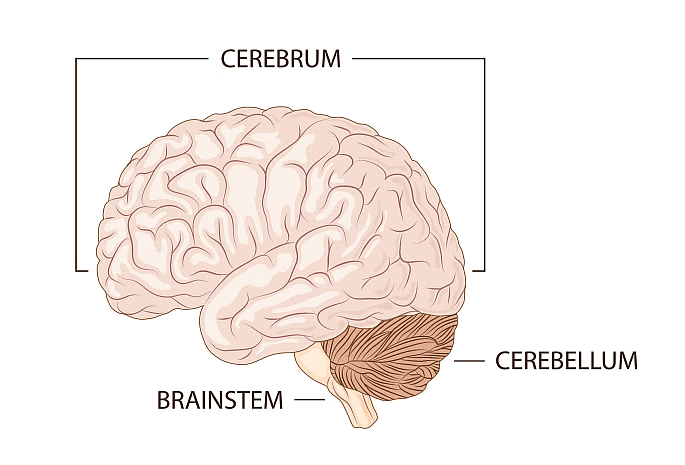
(ii) Pupil - Light enters the eye
(iii) Eardrum - Vibrates when sound falls on it
(iv) Medulla - Involuntary actions
(v) Cerebellum - Balance and movements
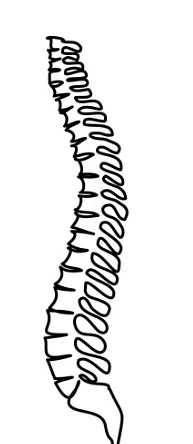
(vi) Spinal cord - Reflex action
Q4: True or False
(i) The spinal cord is responsible for carrying messages between the brain and the body.
Ans: True
The spinal cord acts as a communication bridge between the brain and different parts of the body, transmitting messages through the nerves.
(ii) The cerebrum is responsible for controlling involuntary actions.
Ans: False
The cerebrum controls voluntary actions like thinking, learning, and emotions, whereas involuntary actions are controlled by the medulla oblongata.
(iii) The mixed nerves only carry messages from the brain to the organs.
Ans: False
Mixed nerves work both ways - they carry messages from the brain to the organs (motor function) and from the organs to the brain (sensory function).
(iv) The medulla oblongata connects the brain to the spinal cord.
Ans: True
The medulla oblongata is the lower part of the brain that links the brain to the spinal cord and controls vital involuntary functions like breathing and heartbeat.
(v) Eyes, ears, tongue, nose, and skin are our sense organs.
Ans: True
These five sense organs help us perceive the world by detecting light, sound, taste, smell, and touch sensations.
Q5: Match the following
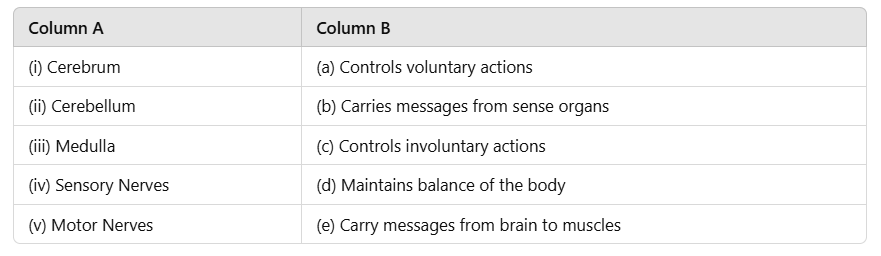
Ans: 1 - (a), 2 - (d), 3 - (c), 4 - (b), 5 - (e)
Q6: Choose the odd one out
(a)

(b) 
Ans:
(a) 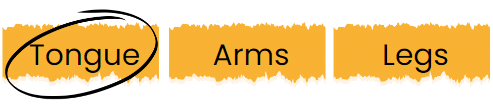
Tongue: It is a sense organ, while others are limbs.
(b) 
Liver: It is the part of the digestive system, others are parts of the brain.
Q7: Short Answer Questions.
(i) What is the main function of the nervous system?
Ans: The main function of the nervous system is to receive information from the environment, process and interpret that information, and then respond accordingly to maintain the body's homeostasis (balance) and coordinate bodily functions.
(ii) What are the two main parts of the central nervous system?
Ans: The two main parts of the central nervous system are the brain and the spinal cord.
(iii) Describe the function of a neuron.
Ans: A neuron is a specialized cell that transmits nerve impulses. It has three main parts: the cell body, dendrites, and axon. The dendrites receive information from other neurons, the cell body processes the information, and the axon sends the information to other neurons, muscles, or glands.
(iv) How are the spinal cord and brain different in their functions?
Ans: The brain is responsible for processing and interpreting information received from the environment, controlling our thoughts, emotions, and actions, whereas the spinal cord mainly serves as a conduit for transmitting information between the brain and the rest of the body.
(v) What is the difference between voluntary and involuntary actions?
Ans: Voluntary actions are those that we can consciously control, such as walking and talking. Involuntary actions are those that happen automatically without conscious control, such as breathing, heartbeat, and digestion.
(vi) Which nerve connects the eyes to the brain, and what is its function?
Ans: The optic nerve connects the eyes to the brain and carries the image to the brain. This allows us to see and interpret visual information from our surroundings.
(vii) How do ears help us, apart from hearing?
Ans: Ears are not only responsible for hearing but also help us to maintain balance. The inner ear contains structures that contribute to our sense of balance, allowing us to stay upright and coordinated.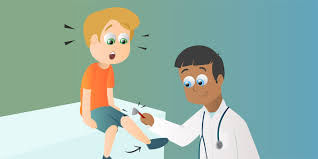
FAQs on Worksheet Solutions: Nervous System - 1
| 1. How does the nervous system help our body respond to things around us? |  |
| 2. What's the difference between the brain and the spinal cord in the nervous system? | |
| 3. Why do we pull our hand away from fire without thinking about it first? | |
| 4. What are neurons and how do they send messages in the nervous system? | |
| 5. How do sensory nerves, motor nerves, and the brain work together when you touch something hot? | |