Facts on Flowers

Flowers are the colourful parts of many plants. They help plants make seeds and attract insects, birds and other animals that carry pollen. Flowers come in many shapes, sizes and colours. Below are easy, friendly facts about five well-known flowers that young learners can read and remember.
Sunflower
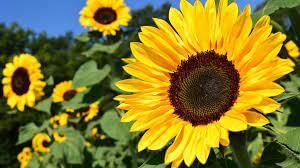
- The sunflower is also known as the common sunflower.
- Sunflowers are often called "sun followers" because young plants turn to face the sun during the day.
- Sunflowers need a lot of sunlight to grow well.
- The skyscraper sunflower is a name used for very tall sunflower varieties.
- The dark brown centre of a sunflower is made up of thousands of tiny flowers called florets.
- Not all sunflowers are yellow; some varieties have red, orange or brown shades.
- Sunflower oil is made from sunflower seeds and is used for cooking; it can help lower cholesterol when used as a healthier oil option.
- The sunflower is often seen as a symbol of positivity and happiness.
- Sunflower seeds are edible and are eaten as a snack or used in cooking.
- Sunflowers usually bloom in summer and require about eight hours of sun each day for best growth.
- The sunflower is the national flower of Ukraine.
Simple care tip: plant sunflowers in a sunny place, give them regular water, and they will grow tall and produce many seeds for birds and people.
Water lily
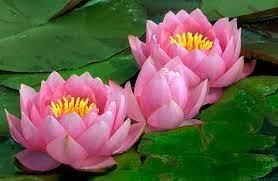
- Water lilies are plants that grow in still or slowly moving freshwater such as ponds and calm lakes.
- Leaves of water lilies float on the water surface while their roots are in the muddy bottom.
- Water lilies come in many colours, including pink, red, orange, yellow, purple and blue.
- Some water lily species bloom during the day and others bloom at night; the pleasant smell and pretty flowers make them popular in art and gardens.
- The world's largest water lily is Victoria amazonica.
- Water lilies give shade and safe hiding places for fish and other small water animals.
- People enjoy water lilies in ponds and parks because they look beautiful and often have a lovely scent.
Simple observation: if you visit a pond, look for round floating leaves and bright flowers on the water; these are water lilies and they help keep the water cooler for fish.
Rose
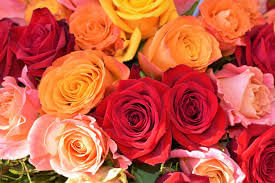
- Roses are one of the oldest and most famous flowers in the world.
- Roses are known for their attractive shape and pleasant fragrance.
- Rose fragrance is used in perfumes and scented products.
- Rose Day is celebrated on 12th February every year by many people as part of a week of celebrations.
- Roses produce a small, berry-shaped fruit called rose hip.
- Rosewater and rose syrup are used in cooking and sweets in many cultures.
- Roses have some traditional medicinal uses; for example, rosewater is sometimes used to soothe tired eyes.
- Rose petals and flowers are used to decorate homes and for special occasions.
- Wild roses typically bloom once a year.
- Necklaces and bouquets made from roses are commonly given as gifts.
- Each rose colour can have a special meaning:
- Red roses - symbolising love.
- Pink roses - showing grace and elegance.
- Yellow roses - representing friendship and cheer.
- White roses - signifying innocence, sympathy and purity.
- Natural blue and black roses do not exist; such colours are made by special methods or dyes.
Simple use: a few rose petals can be floated in water for a pleasing smell, or used to make rose syrup and sweet dishes under adult supervision.
Lotus
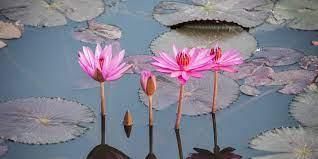
- The lotus grows in shallow water and often in muddy ponds and lakes.
- Lotus plants cannot survive in very cold climates; they prefer warm, sunny places.
- The lotus is a symbol of beauty, grace, purity and peace in many cultures.
- Lotus flowers are usually pink or white.
- Many lotus flowers open in the morning and close at night.
- Some lotus leaves float on the water while others stand above the surface.
- The lotus is the national flower of India.
- The lotus is also the national flower of Vietnam and is an important symbol in countries such as Egypt.
- Lotus honey and other lotus products are sometimes used in traditional remedies for eye and other ailments.
Simple idea: the lotus grows from the mud but its flower looks clean and beautiful; this is why people often teach that the lotus stands for purity.
Rafflesia
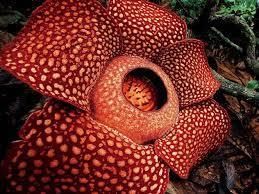
- Rafflesia is one of the rarest and most unusual flowers in the world.
- It is the world's largest and heaviest single flower.
- Rafflesia is nicknamed the stinkiest flower because it smells like rotting flesh; this smell attracts insects that help it spread pollen.
- Rafflesia has no visible leaves, stems or roots that you can see above ground; it lives as a parasite on other plants.
- The flower is reddish with white marks, and its petals have a thick, leathery feel.
- Rafflesia takes many months to develop and a single bloom usually lasts only about seven days.
Conservation note: Rafflesia is rare and needs protected forests to survive. People study and protect it so that future generations can learn about this special flower.
Summary: Flowers are important for plants and for people. Different flowers have different shapes, colours and uses. Some flowers provide food, some are used in perfumes and medicine, and some have special cultural meanings. Observing flowers closely helps us learn about nature and how plants grow.