NEET Exam > NEET Notes > Biology Class 12 > Important Diagrams: Evolution
Important Diagrams: Evolution


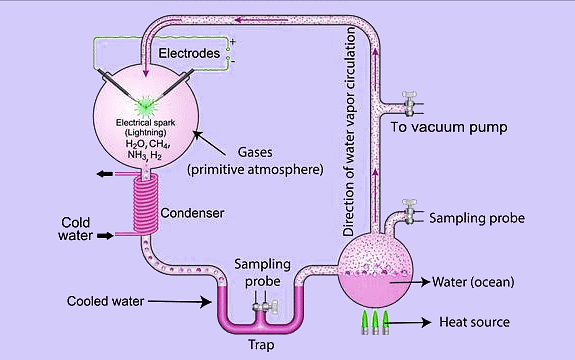
Urey-Miller Experiment
Evidences for Evolution
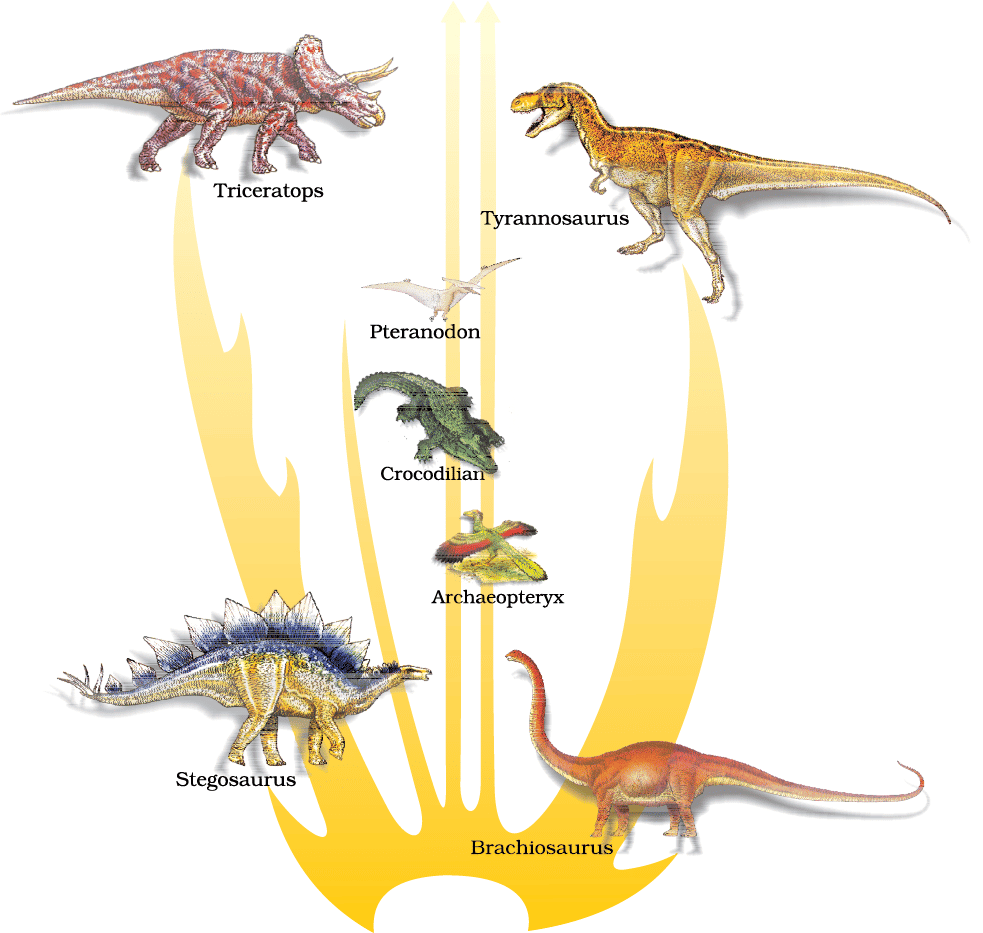 A family tree of dinosaurs and their living modern day counterpart organisms like crocodiles and birds
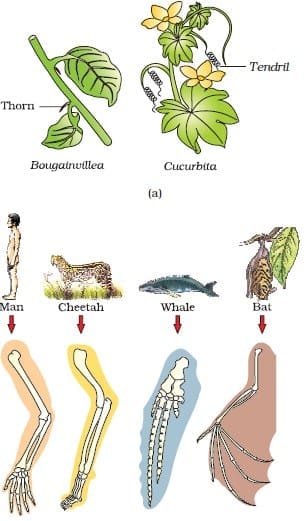
Example of homologous organs in
(a) Plants and (b) Animals
Adaptive Radiation
 Variety of beaks of finches that Darwin found in Galapagos Island
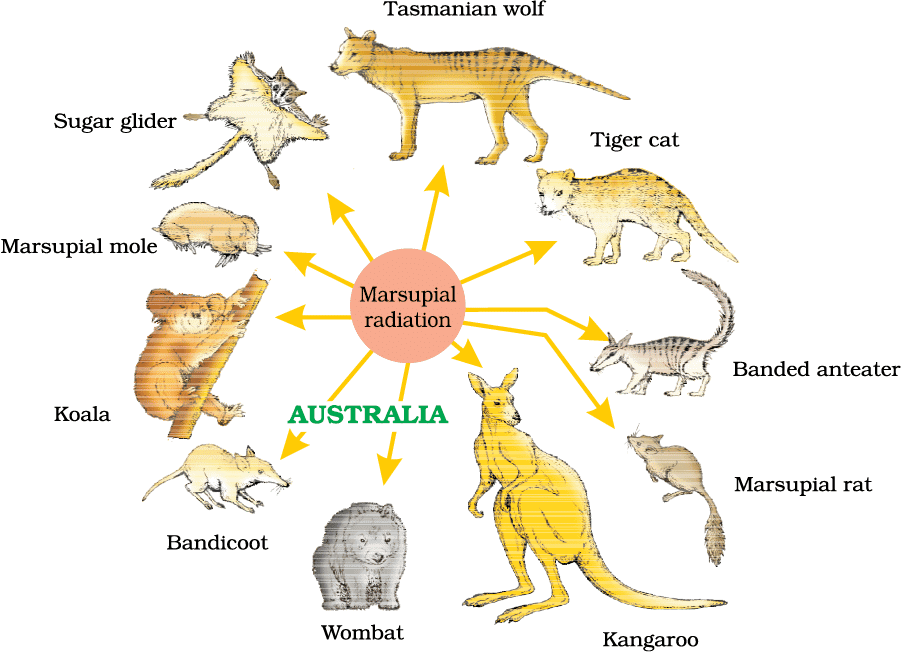 Adaptive radiation of marsupials of Australia
Biological Evolution
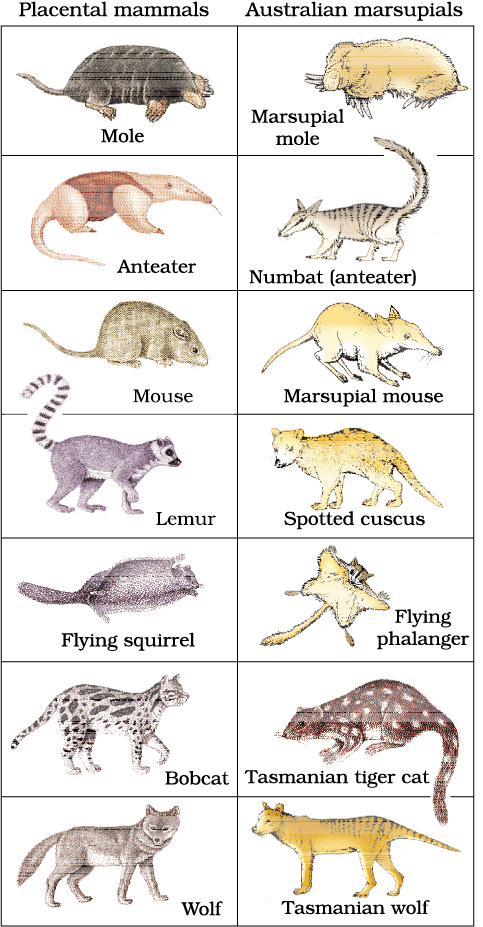 Picture showing convergent evolution of Australian Marsupials and placental mammals
Hardy Weinberg Principle
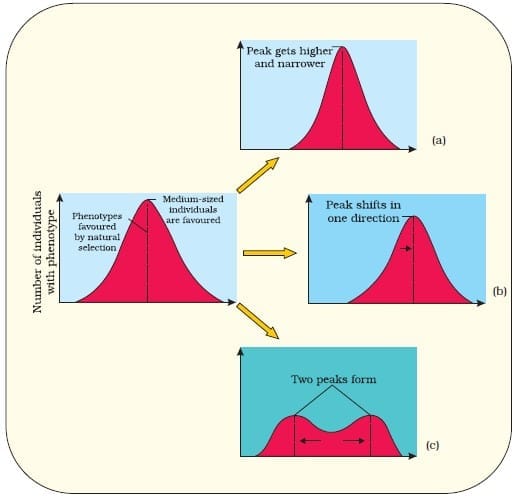 Diagrammatic representation of the operation of natural selection on different traits : (a) Stabilising (b) Directional and (c) Disruptive
A Brief Account of Evolution
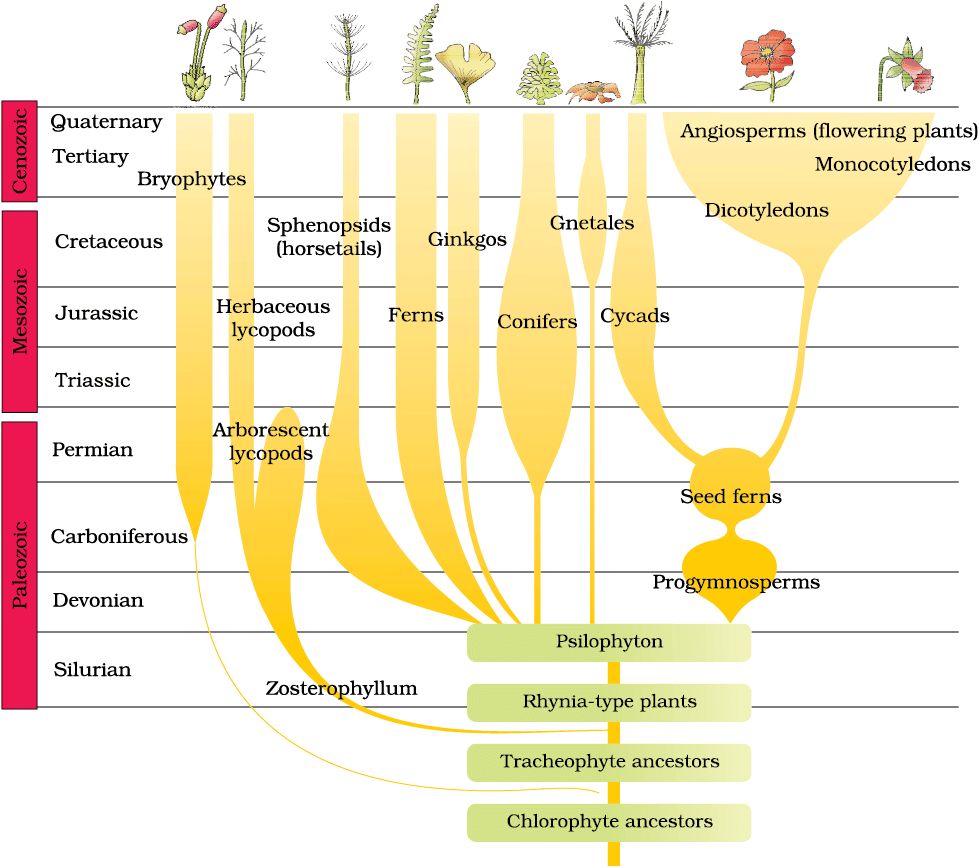 A sketch of the evolution of plant forms through geological periods
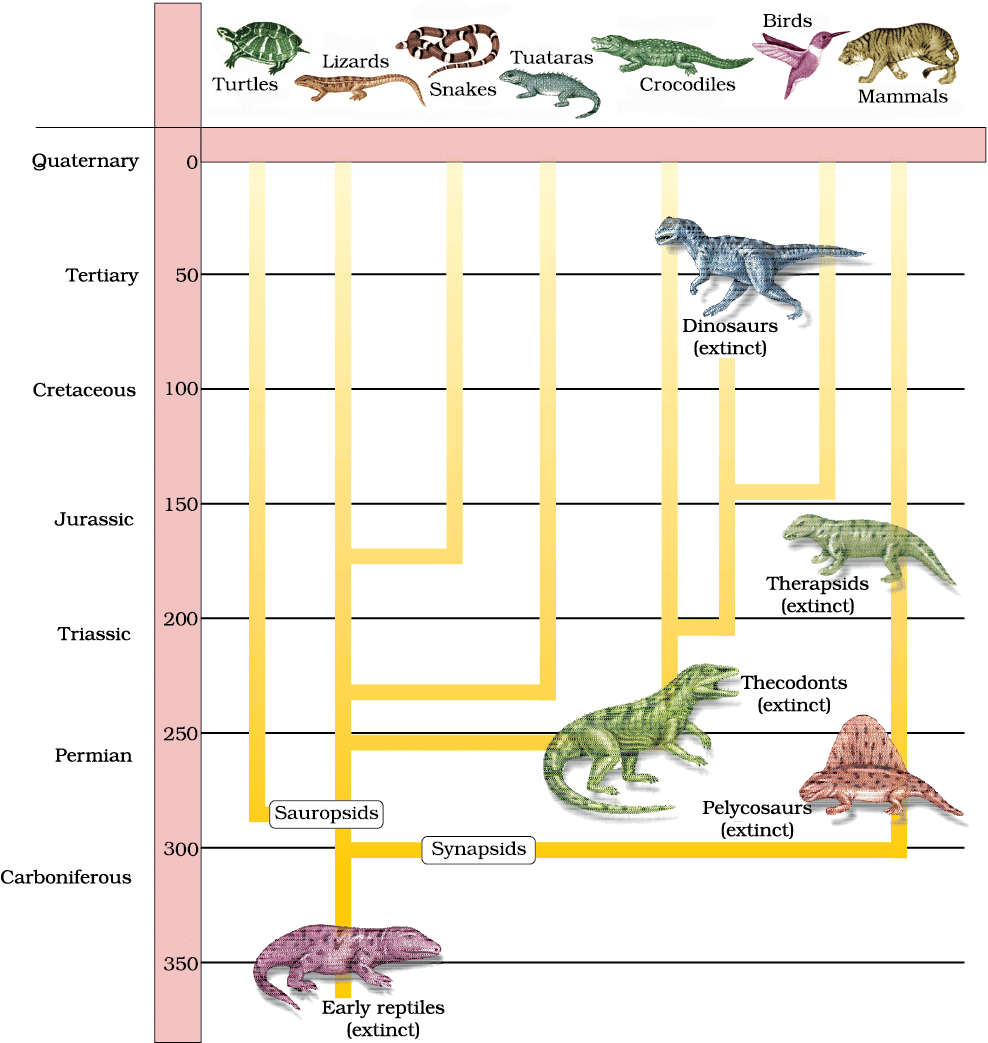 Representative evolutionary history of vertebrates through geological periods
Origin and Evolution of Man
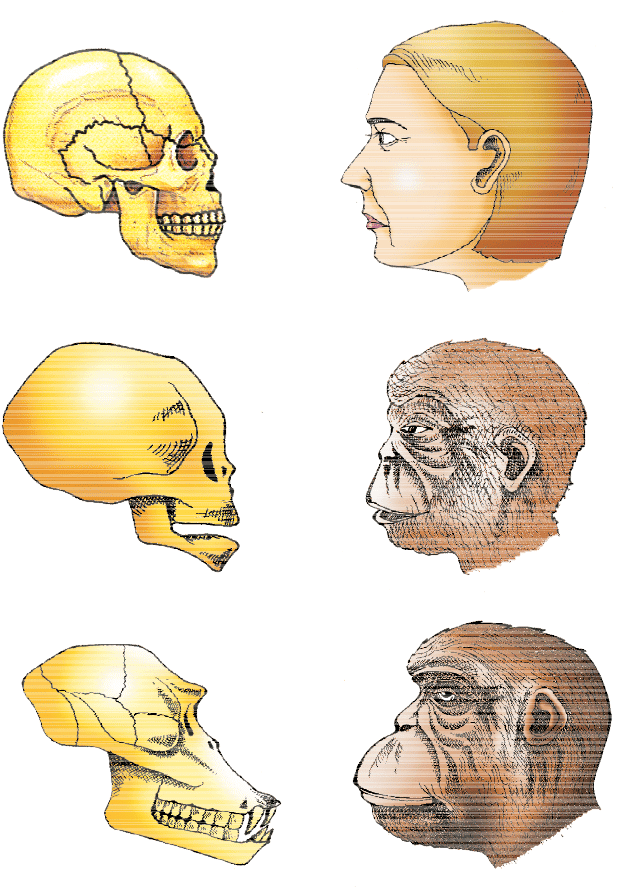 A comparison of the skulls of adult modern human being, baby chimpanzee and adult chimpanzee. The skull of baby chimpanzee is more like adult human skull than adult chimpanzee skull
The document Important Diagrams: Evolution is a part of the NEET Course Biology Class 12.
All you need of NEET at this link: NEET
FAQs on Important Diagrams: Evolution
| 1. What was the Urey-Miller Experiment and its significance? |  |
Ans. The Urey-Miller Experiment, conducted in 1953 by Stanley Miller and Harold Urey, aimed to simulate the conditions of early Earth to understand the origin of life. By mixing gases such as methane, ammonia, hydrogen, and water vapour, and applying electrical sparks to simulate lightning, the experiment produced amino acids, the building blocks of proteins. Its significance lies in providing evidence for the abiotic synthesis of organic compounds, suggesting that the basic components of life could form under prebiotic conditions.
| 2. What are the key evidences for evolution? | |
Ans. Key evidences for evolution include fossil records, which show a chronological progression of life forms; comparative anatomy, which reveals homologous and analogous structures among different species; molecular biology, where similarities in DNA sequences indicate common ancestry; and embryological development, where early stages of different organisms exhibit similar features. These evidences collectively support the theory of evolution by demonstrating how species have changed over time and share common origins.
| 3. What is adaptive radiation and how does it relate to evolution? | |
Ans. Adaptive radiation is the process by which a single ancestor species rapidly diversifies into a variety of forms to adapt to different environments. This phenomenon is often observed in isolated ecosystems, such as the Galápagos Islands, where finches evolved into various species with distinct beak shapes suited for different food sources. Adaptive radiation illustrates the role of natural selection in driving evolution and the emergence of new species in response to environmental pressures.
| 4. What does the Hardy-Weinberg Principle state? | |
Ans. The Hardy-Weinberg Principle states that in a large, randomly mating population with no evolutionary influences (such as mutation, migration, or selection), allele and genotype frequencies remain constant from generation to generation. This principle provides a mathematical framework for studying genetic variation in populations and helps scientists understand the forces that can cause changes in allele frequencies, ultimately contributing to the theory of evolution.
| 5. How did man evolve according to biological evolution? | |
Ans. The biological evolution of man is traced through a series of hominin species that exhibit gradual changes in physical and behavioural traits over millions of years. Early ancestors, such as Australopithecus, showed bipedalism and increased brain size, leading to the emergence of the genus Homo. Homo habilis and Homo erectus displayed tool use and social behaviour. Finally, Homo sapiens evolved with advanced cognitive abilities and cultural practices. This evolutionary journey highlights the interplay of environmental changes and natural selection in shaping human development.
About this Document

4.80/5 Rating

Apr 30, 2026 Last updated
Document Description: Important Diagrams: Evolution for NEET 2026 is part of Biology Class 12 preparation. The notes and questions for Important Diagrams: Evolution have been prepared according to the NEET exam syllabus. Information about Important Diagrams: Evolution covers topics like and Important Diagrams: Evolution Example, for NEET 2026 Exam. Find important definitions, questions, notes, meanings, examples, exercises and tests below for Important Diagrams: Evolution.
Introduction of Important Diagrams: Evolution in English is available as part of our Biology Class 12 for NEET & Important Diagrams: Evolution in Hindi for Biology Class 12 course. Download more important topics related with notes, lectures and mock test series for NEET Exam by signing up for free. NEET: Important Diagrams: Evolution
Description
Important Diagrams: Evolution of Biology Class 12 on EduRev - Fully labelled, exam-ready diagrams, memorize all the concepts easily with diagrams. Download free PDF from EduRev.
Information about Important Diagrams: Evolution
In this doc you can find the meaning of Important Diagrams: Evolution defined & explained in the simplest way possible. Besides explaining types of Important Diagrams: Evolution theory, EduRev gives you an ample number of questions to practice Important Diagrams: Evolution tests, examples and also practice NEET tests



Related Searches
Important Diagrams: Evolution, study material, Important questions, Previous Year Questions with Solutions, Objective type Questions, Important Diagrams: Evolution, Exam, Extra Questions, Sample Paper, video lectures, MCQs, Important Diagrams: Evolution, pdf , ppt, Summary, past year papers, shortcuts and tricks, Viva Questions, Semester Notes, Free, practice quizzes, mock tests for examination;