Chapter Notes: Pollution


Introduction
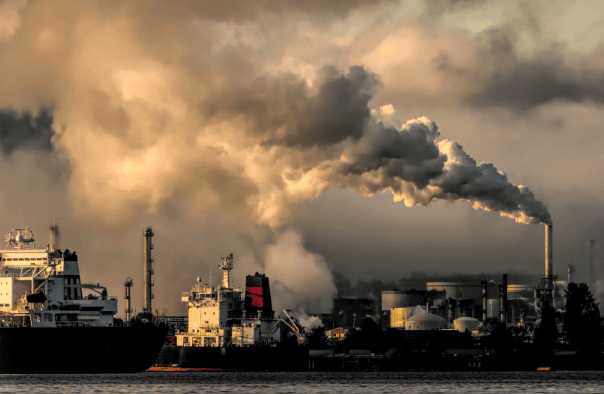
Human beings depend on the environment for food, water, air and other resources. Over time, the way humans live and the tools they use have changed a lot. These changes have increased comfort but have also put pressure on the Earth.
- Reasons for change in how we live:
- Increased comfort
- Modern lifestyles
- Industrialisation (factories and machines)
- Growing population
- Because of these changes, people are now the main cause of many problems for the environment.
- Different types of pollutionharm the Earth's ecosystem, for example:
- Air pollution - harmful gases and particles in the air
- Water pollution - dirty or contaminated water
- Soil (land) pollution - harmful substances in the ground
- Noise pollution - too much loud sound
- Light pollution - too much artificial light at night
Pollution and Its Types
Pollution means making the environment dirty or harmful by adding substances or energy (like noise or light) that can cause damage. Pollution happens when harmful substances mix with air, water or land, or when too much unwanted noise or light disturbs nature.
Major types of pollution:
- Air pollution - dirty air from smoke, factories, vehicles and other sources
- Water pollution - contaminated water from chemicals, waste or oil
- Soil pollution - harmful waste and chemicals in the ground
- Noise pollution - loud sounds that can be harmful to people and animals
- Light pollution - too much artificial light that affects the night sky and wildlife
What is AIR POLLUTION?
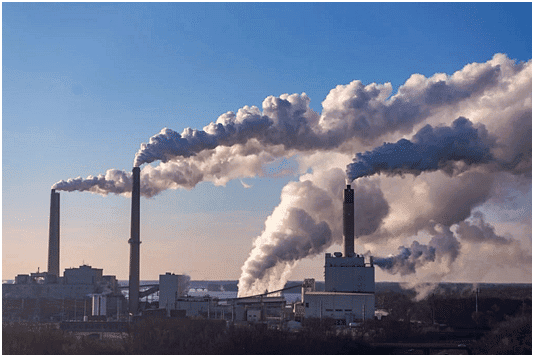
- Air pollution happens when harmful gases, smoke or tiny particles mix with the air we breathe.
- Natural causes of air pollution include sandstorms, forest fires, volcanic eruptions and pollen from plants.
- Human causes of air pollution include burning fuels in factories and vehicles, burning garbage, and releasing smoke and harmful gases into the air.
- Effects of air pollution:
- Health problems such as breathing difficulties, coughs, asthma attacks, lung damage and other diseases
- Damage to plants and crops, which may reduce food production
- Harm to animals and birds, and disturbance of natural ecosystems
- How to reduce air pollution (simple measures):
- Use public transport, cycle or walk when possible to reduce vehicle emissions
- Use cleaner fuels and maintain vehicles to lower smoke and gases
- Avoid burning rubbish; practise proper waste disposal and recycling
- Plant trees and protect green areas, because trees clean the air
- Support and follow rules that limit factory emissions and control smoke
What is WATER POLLUTION?
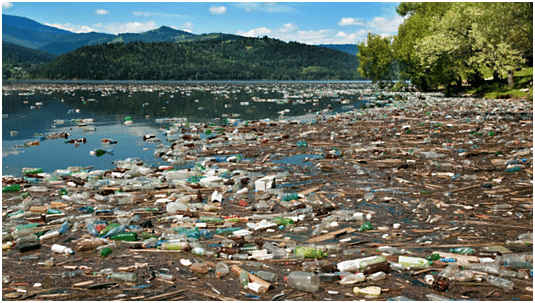
- Water pollution occurs when harmful substances enter rivers, lakes, ponds or the sea and make the water unsafe for people, plants and animals.
- Natural causes such as storms can bring mud, soil and other particles into water, making it cloudy or unsafe to drink.
- Human causes of water pollution include factories and homes releasing waste into rivers and lakes, washing clothes or animals in rivers, and oil leaks from tanks or ships.
- Effects of water pollution:
- People who drink or use polluted water can get diseases such as jaundice, typhoid and stomach infections
- Aquatic plants and animals become weak, may die or may not be able to reproduce
- Polluted water harms farming and reduces the food produced from water bodies
- How to prevent water pollution (simple actions):
- Treat sewage and industrial waste before releasing it into rivers or lakes
- Avoid washing clothes, animals or vehicles directly in rivers and streams
- Do not throw plastic and other rubbish into water bodies; use dustbins and recycling
- Report oil leaks and clean small spills properly; support rules that stop the dumping of waste into water
- Boil or filter water at home if it might be unsafe to drink
What is LAND or SOIL POLLUTION?
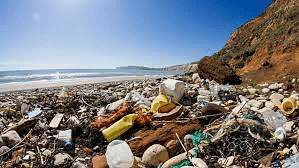
- Soil pollution happens when waste and harmful chemicals mix with the soil and make it unhealthy for plants, animals and people.
- Common wastes that cause soil pollution are plastic bags, glass bottles and metal containers thrown on the ground.
- Main causes of soil pollution:
- Overuse of pesticides and fertilisers on farms
- Dumping of industrial and household waste on land
- Spills of oil and chemicals
- Effects of soil pollution:
- Soil becomes less fertile and cannot grow crops well
- Organisms living in the soil (like worms and helpful bacteria) are harmed
- Plants grown in polluted soil may be unhealthy or may carry harmful substances into food
- How to protect the soil:
- Reduce, reuse and recycle waste; avoid throwing rubbish on the ground
- Segregate waste at home into compostable and non-compostable; make compost from kitchen waste
- Use organic farming methods where possible and reduce chemical pesticides and fertilisers
- Dispose of industrial waste safely and follow rules for hazardous materials
What is NOISE POLLUTION?
- Noise pollution occurs when loud and unwanted sounds make the surroundings uncomfortable or harmful.
- Human ears can hear sounds as quiet as about 20 decibels.
- Sounds louder than about 90 decibels can hurt our ears and may cause hearing damage if exposure is long.
- Causes of noise pollution:
- Traffic from cars, buses and aeroplanes
- Loudspeakers, televisions and public announcements
- Music systems and noisy celebrations
- Factory machines and construction work
- Effects of noise pollution:
- Hearing loss or deafness with long exposure to very loud sounds
- Stress, irritation and difficulty concentrating
- Headaches and trouble sleeping
- How to reduce noise pollution:
- Use ear protection in very noisy places and keep the volume low on music systems
- Follow the rules on the use of loudspeakers and avoid unnecessary honking
- Plan quieter machines for factories and use sound barriers near busy roads
- Have quiet zones around hospitals and schools
What is LIGHT POLLUTION?
- Light pollution is the excessive or misdirected artificial light at night that spoils the natural darkness.
- Types of light pollution:
- Light trespass - unwanted light falling where it is not needed
- Over-illumination - too much bright light
- Astronomical interference - city lights hiding the stars
- Common sources of light pollution:
- Lights from buildings (inside and outside)
- Large advertisements and billboards
- Commercial properties, offices and factories
- Streetlights that are not well directed
- Effects of light pollution:
- Disturbs animal behaviour and ecosystems, for example, nesting birds and nocturnal animals
- Makes it harder for scientists and students to study the night sky
- Reduces our ability to enjoy stars and the natural night environment
- How to reduce light pollution:
- Turn off unnecessary lights and use timers or motion sensors
- Use shields and direct lights downwards so they do not shine into the sky
- Choose lower intensity bulbs and warm-coloured lights where possible
Conclusion
- Environmental pollution is a serious threat to the Earth's ecosystem and to human health. Much of this pollution is caused by human activities.
- Air, water, soil, noise and light pollution each affect the environment and living beings in different ways.
- Understanding causes and effects helps us choose better actions and develop rules to reduce pollution.
- Simple steps such as saving water, reducing waste, planting trees, using public transport, and switching off unnecessary lights help protect the environment.
- By practising responsible behaviour and following environmental rules, we can all help preserve the planet for the future.
FAQs on Chapter Notes: Pollution
| 1. What are the main types of pollution that affect our environment? |  |
| 2. How does air pollution happen and what are its major sources in our cities? | |
| 3. Why is water pollution such a serious problem for Class 5 students to understand? | |
| 4. What everyday habits cause soil pollution and how does it affect farming? | |
| 5. What are simple ways to reduce pollution in daily life for Class 5 students? | |