Class 3 Maths - Patterns - CBSE Worksheets

Q1: What will be the next number of the given sequence?
1, 5, 12, 22, 35, ?
Q2: Estimate the next number of the following sequence.
1, 2, 6, 15, 31, ?
Q3: What is the next number of the following sequence?
20, 18, 21, 16, 23, 12, 25, 8, 27, 4, 33, ?
Q4: Observe the pattern given below. Find the missing number.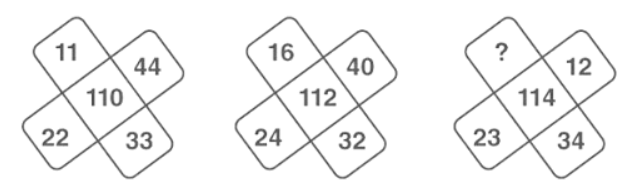
Q5: Find the pattern in the sequence and write the next two numbers.
10, 17, 36, 73, 134,…
Q6: What is the formula for the pattern for this sequence?
11, 21, 31, 41, 51, 61, 71
Q7: Observe the following figure and choose the correct option.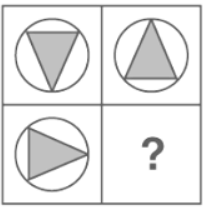 (a)
(a) 
(b) 
(c) 
(d) 
Q8: Write the next three numbers of the following sequence.
173, 155, 137, 119, 101
Q9: Observe the below figure and identify the missing part. (a)
(a) 
(b) 
(c) 
(d) 
Q10: Identify the pattern for the following sequence and find the next number.
2, 3, 5, 8, 12, 17, 23, ____.
|
10 videos|45 docs|3 tests
|

Exam
,study material
,Objective type Questions
,practice quizzes
,shortcuts and tricks
,Semester Notes
,Sample Paper
,MCQs
,Summary
,Extra Questions
,past year papers
,Free
,Viva Questions
,Previous Year Questions with Solutions
,video lectures
,mock tests for examination
,Class 3 Maths - Patterns - CBSE Worksheets
,ppt
,Class 3 Maths - Patterns - CBSE Worksheets
,Important questions
,Class 3 Maths - Patterns - CBSE Worksheets
;




Worksheet: Patterns Free PDF Download
Importance of Worksheet: Patterns
Worksheet: Patterns Notes
Worksheet: Patterns Class 5 Questions
Study Worksheet: Patterns on the App
|
© EduRev
|
Education Revolution
|


|


