Q1: Why are valves present in heart and the veins?
Ans: Valves present in the heart does not allow the blood to flow backwards when the atria or ventricles contracts. Valves are present in the veins to prevent the back flow of blood in the veins as it travels at very slow rate in the veins.
Q2: When we breathe out, why does the air passage not collapse?
Ans: Rings of cartilage present on trachea prevent it from collapsing during the passage of air.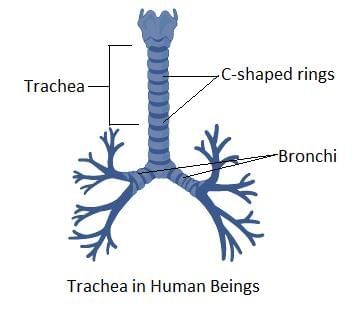
Q3: Give one reason why multicellular organisms require special organs for exchange of gases between their body and their environment.
Ans: Simple diffusion is not sufficient for the exchange of gases in multicellular organisms as all their cells are not in direct contact with the environment. So, they require special organs for exchange of gases between their body and their environment.
Q4: What process in plants is known as transpiration?
Ans: The loss of water in the form of vapour from the aerial parts of the plant is known as transpiration.
Q5: Why is carbon dioxide mostly transported in dissolved form?
Ans: Carbon dioxide is mostly transported in the dissolved form as it is more soluble in water.
Q6: Name the green dot like structures in some cells observed by a student when a leaf peel was viewed under a microscope. What is the green colour due to?
Ans: The green dots like structures seen are the chloroplasts. The green colour is due to the pigment called chlorophyll.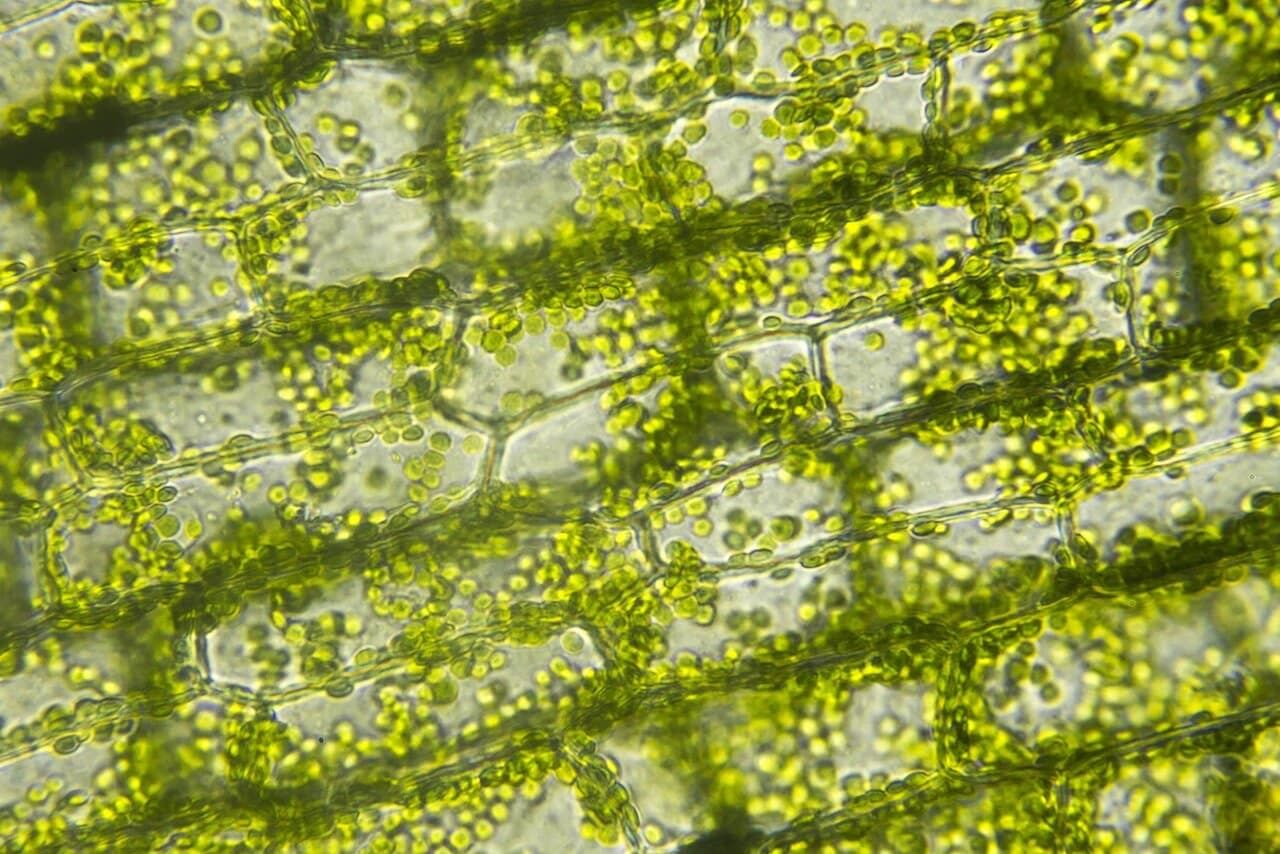
Q7: Herbivores have longer small intestines while carnivores have shorter small intestine. Give reason.
Ans: Herbivores have a longer small intestine compared to the carnivores to allow time for the cellulose present in the grass to get digested.
Q8: Mention the respiratory unit of lungs and excretory unit of kidneys.
Ans: The respiratory unit of lungs are alveoli and excretory unit of kidneys are nephrons.
Q9: Some organisms derive nutrition from plants or animals without killing them. What are these organisms called? Write one example.
Ans: They are called parasites, e.g. Cuscuta and tapeworm are the parasites of plants and animals respectively.
Q10: What are the major constituents of urine?
Ans: Urine is an aqueous solution of water, urea, chloride, sodium, potassium, creatinine and other dissolved ions, inorganic and organic compounds (proteins, hormones, and metabolites).
Q11: Where does the urine produced by the kidneys get stored?
Ans: Urinary bladder.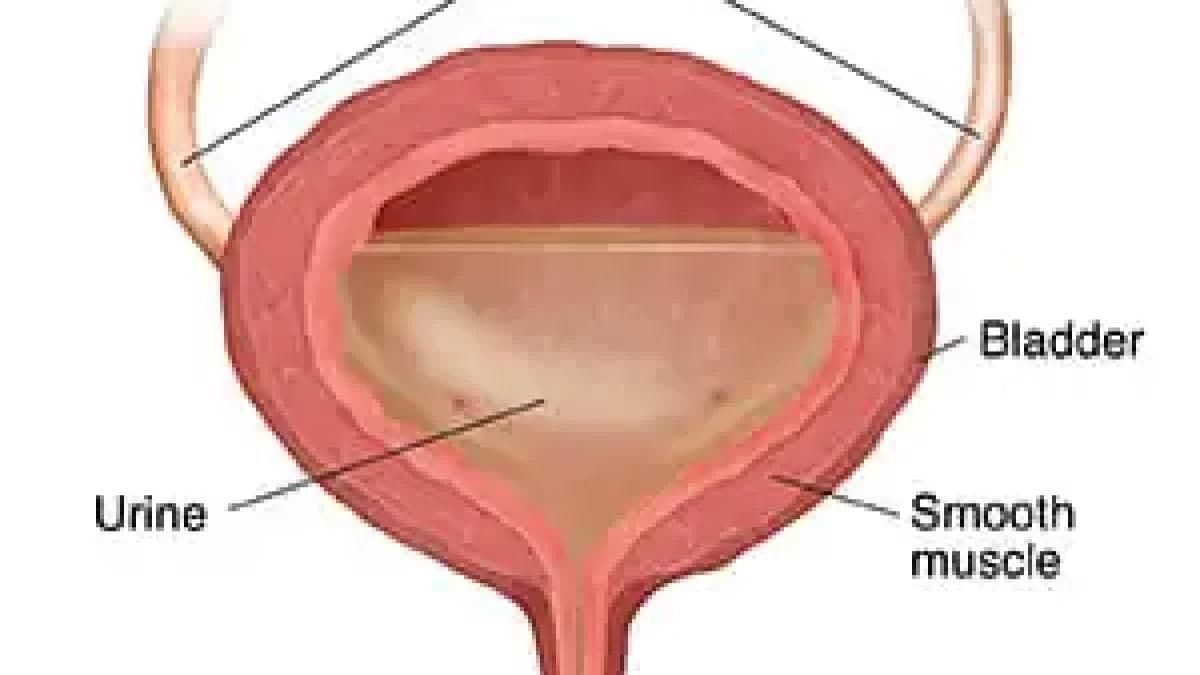
Q12: How does transpiration help in upward transport of substances?
Ans: Transpiration creates a suction pressure which pulls up water along with the minerals through the xylem.
Q13: When the right atrium contract, blood flows from it to which part of the heart?
Ans: Right ventricle.
Q14: State the functions of the following:
(i) Blood
(ii) WBC
Ans: Function of RBC - To carry oxygen to various parts of the body.
Function of WBC - To protect the body against both infectious diseases and foreign invaders.
Q15: Write the functions of the two upper chambers of the human heart.
Ans: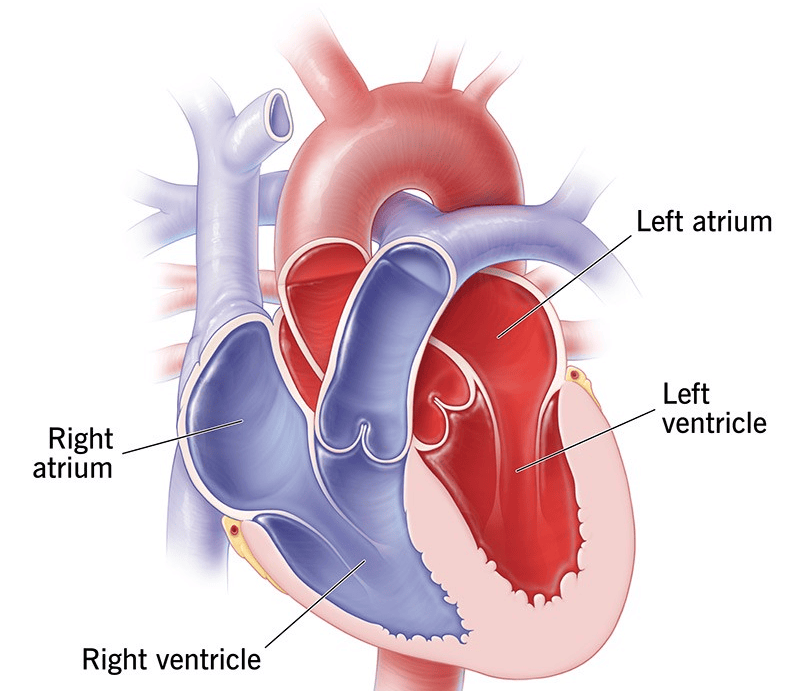 Heart ChambersThe right atrium receives deoxygenated blood from various parts of the body through the vena cava. The left atrium receives the oxygenated blood from the lungs through the pulmonary artery.
Q16: Leakage of blood from vessels reduces the efficiency of pumping system. How is the leakage prevented?
Ans: Leakage is prevented by the blood platelets present in the blood which help in clotting the blood at the site of injury.
Q17: Which mechanism plays an important role in transportation of water in plants
(i) During daytime
(ii) At night?
Ans: During daytime - Transpiration; At Night - Root pressure.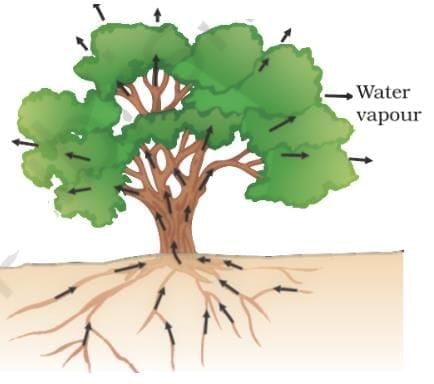
Q18: What will happen to a plant if its xylem is removed?
Ans: Xylem is essential for transporting water and minerals throughout a plant. If the xylem is removed, the following consequences occur:
- Water and minerals cannot reach the plant's parts.
- This disruption leads to wilting and nutrient deficiency.
- Ultimately, the plant will die due to lack of essential resources.





