Worksheet: Plant Life - 2

Q1: Fill in the Blanks.
(i) Plants produce their food through the process of ____________.
(ii) The green pigment responsible for photosynthesis is called ____________.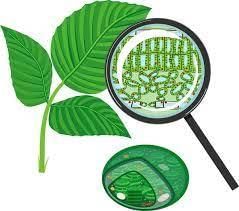
(iii) The process of pollination takes place with the help of ____________.
(iv) The swollen base of the pistil is called ____________.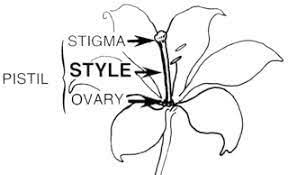
(v) The process of water movement through a plant is called ____________.
Q2: Match the Column.
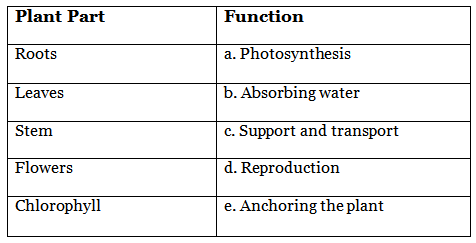
Match the following plant parts with their respective functions:
Q3: True or False.
(i) True/False: All plants need sunlight for photosynthesis.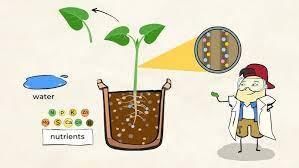
(ii) True/False: The process of pollination occurs after fertilization.
(iii) True/False: Roots are responsible for absorbing carbon dioxide from the atmosphere.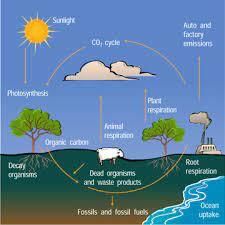
(iv) True/False: A plant cell has a rigid cell wall, while an animal cell does not.
(v) True/False: Insects play a significant role in the process of pollination.
Q4: Multiple Choice Questions.
(i) What is the primary function of a flower in a plant?
(a) To conduct photosynthesis
(b) To anchor the plant to the ground
(c) To absorb water and nutrients
(d) To facilitate reproduction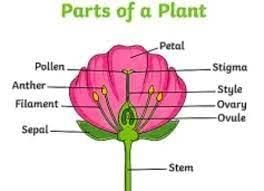
(ii) Which of the following plant parts is responsible for carrying water and nutrients between the roots and leaves?
(a) Flowers
(b) Stem
(c) Leaves
(d) Roots
(iii) Which part of the plant holds the pollen grains?
(a) Stigma
(b) Ovary
(c) Petal
(d) Anther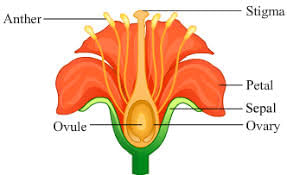
(iv) Photosynthesis mainly occurs in the cells of:
(a) Roots
(b) Stems
(c) Leaves
(d) Flowers
(v) What is the function of the stomata in leaves?
(a) Absorbing sunlight
(b) Transporting water
(c) Exchanging gases
(d) Providing support
Q5: Arrange in Correct Order.
Arrange the following steps in the correct order for the process of pollination:
(a) Fertilization takes place.
(b) Pollen is transferred to the stigma.
(c) Insects carry pollen from one flower to another.
(d) Pollen tube reaches the ovary.
(e) Pollen grains are produced in the anther.
Q6: Short Questions.
(i) Explain the process of photosynthesis in plants.
(ii) Describe the various ways by which seeds can be dispersed.
(iii) Differentiate between taproots and fibrous roots.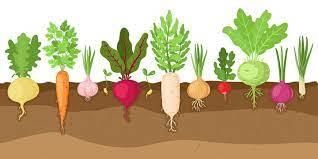
(iv) How does a plant respond to the stimulus of light? Give an example.
(v) What is germination? Describe the conditions necessary for seed germination.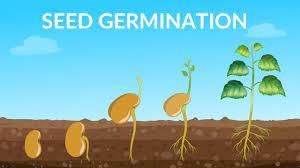
The solutions of the worksheet "Plant Life - 2"
FAQs on Worksheet: Plant Life - 2
| 1. What are the different parts of a plant and what do they do? |  |
| 2. How do plants make their own food through photosynthesis? | |
| 3. Why do some plants have flowers and others don't? | |
| 4. What's the difference between roots and stems and why do they grow in opposite directions? | |
| 5. How do seeds germinate and what conditions do they need to grow into plants? | |