Worksheet Solutions: How Do Plants Make Their Food - 2

Q1: Fill in the blanks.
(i) Photosynthesis is the process in which a plant makes _________ with the help of _________ from the soil and __________________ from the air.
Ans: food, water, carbon dioxide
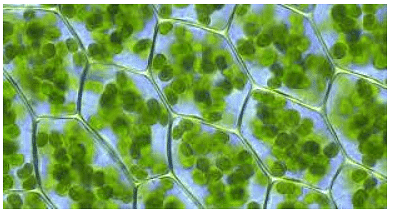
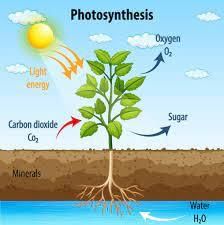
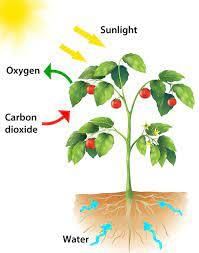
Photosynthesis is the process by which plants use sunlight to change water and carbon dioxide into glucose, a simple sugar that acts as food for the plant. The green pigment chlorophyll in leaves traps the sunlight, and this energy helps the plant make food. The process takes place mainly in the leaves when sunlight is available.
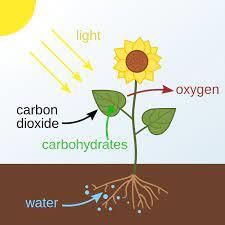
(ii) The gas _________ is given out during this process, which we use for breathing.
Ans: oxygen
When plants make food by photosynthesis, they release oxygen as a byproduct. This oxygen goes into the air and is what animals and humans breathe in to live. So plants help make the air we need.
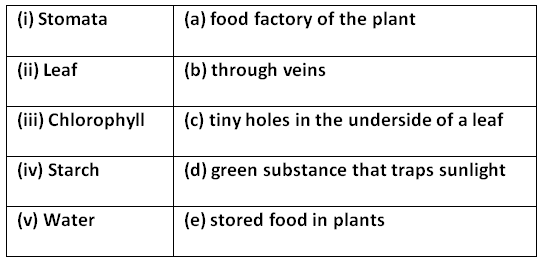
Q2: Match the Column.
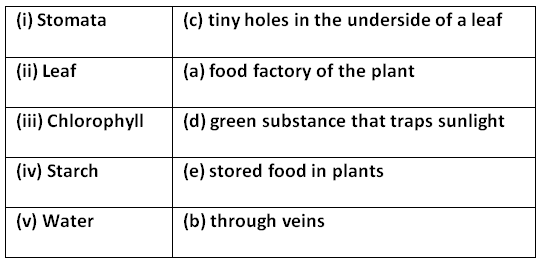
Ans:
Q3: True or False.
(i) Plants make their food through a process called photosynthesis.
Ans: True
Explanation: Photosynthesis is the process by which green plants use sunlight, water and carbon dioxide to make glucose (food) and oxygen. The green pigment chlorophyll in leaves helps to capture the sunlight needed for this process.
(ii) Photosynthesis occurs only during the daytime.
Ans: True
Explanation: Photosynthesis needs sunlight to take place, so it happens when the sun is shining, that is, mainly during the daytime. Without light, the plant cannot make food.
(iii) Chlorophyll is a green pigment found in plant cells that helps in photosynthesis.
Ans: True
Explanation: Chlorophyll is the green substance in leaves that absorbs light energy from the sun. This energy is used to make food during photosynthesis.
(iv) The primary raw materials for photosynthesis are carbon dioxide and water.
Ans: True
Explanation: The main things a plant needs to make food are carbon dioxide (CO2) from the air and water (H2O) from the soil. Using sunlight, these are turned into glucose and oxygen.
(v) Photosynthesis releases oxygen as a byproduct.
Ans: True
Explanation: While making food, plants give out oxygen into the air. This oxygen is important for animals and humans to breathe.
(vi) Photosynthesis is an exothermic reaction, meaning it releases heat energy.
Ans: False
Explanation: Photosynthesis is not exothermic. It needs energy from sunlight to make food, so it absorbs energy rather than releasing it. In simple words, plants take in light energy to make food.
(vii) The main purpose of photosynthesis is to produce glucose, a type of sugar.
Ans: True
Explanation: The main result of photosynthesis is the production of glucose (a sugar). Plants use this glucose as food for growth, energy, and to make other parts like flowers and seeds.
(viii) Photosynthesis takes place in the roots of the plant.
Ans: False
Explanation: Photosynthesis mostly happens in the leaves because leaves have many chloroplasts with chlorophyll to trap sunlight. Roots do not get sunlight, and so they do not perform photosynthesis.
(ix) Sunlight is essential for the process of photosynthesis to occur.
Ans: True
Explanation: Sunlight provides the energy needed for photosynthesis. Without sunlight, plants cannot make food, so light is essential for this process.
(x) Photosynthesis is a physical change and not a chemical reaction.
Ans: False
Explanation: Photosynthesis is a chemical reaction because new substances are made (glucose and oxygen) from water and carbon dioxide using light energy. It is not just a physical change.
Q4: Answer the following questions.
(i) Why are leaves green in colour?
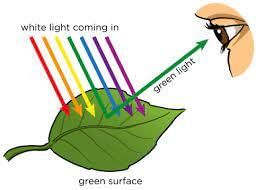
Ans: Leaves are green because they contain chlorophyll, a green pigment. Chlorophyll helps leaves catch sunlight, which the plant uses to make food.
(ii) Why is sunlight so important for a plant to make its food?
Ans: Sunlight gives the energy that plants need to make food. Without sunlight, the plant cannot change water and carbon dioxide into glucose, so it cannot make food.
(iii) Without chlorophyll, food cannot be made. Why?
Ans: Chlorophyll is needed because it captures the sunlight energy. Without chlorophyll, the plant cannot use sunlight to make food, so photosynthesis cannot take place.
(iv) Where do plants store their extra food?
Ans: Plants store extra food as starch in parts such as roots, stems, leaves, fruits and seeds. This stored food helps them grow and survive when they cannot make enough food.
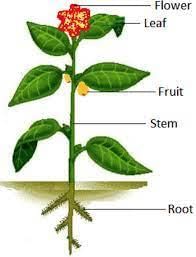
(v) How is the food prepared by plants used?
Ans: The food prepared by plants is used for growth; making flowers, fruits and seeds; repairing damage.
FAQs on Worksheet Solutions: How Do Plants Make Their Food - 2
| 1. How do plants get their energy? |  |
| 2. What are the main components required for photosynthesis in plants? | |
| 3. Can plants make food without sunlight? | |
| 4. How does chlorophyll help in the process of photosynthesis? | |
| 5. What happens to the oxygen produced during photosynthesis? | |