CBSE Class 4  >  Class 4 Notes  >  Science  >  Worksheet: Adaptation in Animals - 2

Worksheet: Adaptation in Animals - 2

Q1: Give one word for.

(i) Long winter sleep

(ii) Going far away from home in winter and coming back in summer

(iii) Merging with surroundings to hide from the enemy
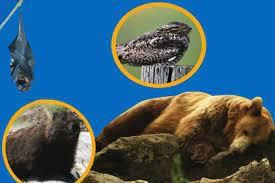
Q1: Give one word for.

Q2: True or False.

(i) Hedgehogs have spines to defend themselves from their enemies.

(ii) Herbivores have sharp claws.

(iii) Lizards sleep during the entire winter period.

(iv) Dolphins breathe through gills.

(v) Parasites do not have teeth.
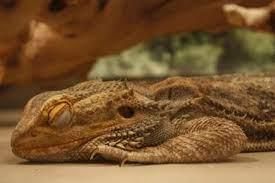
Q2: True or False.

Q3: What are they called?

(i) Animals that live in water

(ii) Animals that live on trees

(iii) Animals that live on land

(iv) Animals that live on both land and water

(v) Animals that spend much of their time in air
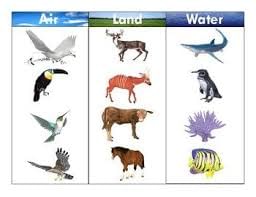
Q3: What are they called?

Q4: What kind of teeth do the following have?

(i) horse

(ii) cheetah

Q5: Give two examples for each of the following types.

(i) terrestrial animals

(ii) aquatic animals   

Q6: How do the following animals protect themselves from their enemies?

(i) chameleon

(ii) deer

(iii) snails
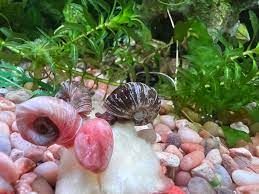
Q6: How do the following animals protect themselves from their enemies?

Q7: Answer the following questions.

(i) Why is the earth suitable for existence of life?

(ii) What are the two kinds of living things?

(iii) What do you understand by habitat?

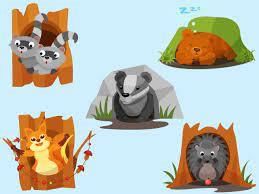
(iv) Why do some animals hibernate in winter?
Q7: Answer the following questions.


You can find Worksheets Solutions here: Worksheet Solutions: Adaptation in Animals - 2 

The document Worksheet: Adaptation in Animals - 2 is a part of the Class 4 Course Science for Class 4.
All you need of Class 4 at this link: Class 4

FAQs on Worksheet: Adaptation in Animals - 2

1. What is adaptation in animals?
Ans. Adaptation in animals refers to the process by which animals adjust to their environment in order to survive and reproduce.
2. How do animals protect themselves from predators?
Ans. Animals protect themselves from predators through various strategies such as camouflage, mimicry, defensive structures (like spines or shells), warning colors, and the ability to escape quickly.
3. What are some examples of animal adaptations?
Ans. Examples of animal adaptations include a chameleon's ability to change its color to blend with its surroundings, a porcupine's quills that deter predators, and a kangaroo's strong hind legs for hopping.
4. How do animals adapt to extreme environments?
Ans. Animals adapt to extreme environments by developing physical characteristics or behaviors that help them survive in such conditions. For example, polar bears have thick fur and a layer of blubber to withstand the cold in the Arctic.
5. Can animals adapt to new environments?
Ans. Yes, animals can adapt to new environments over time through a process called natural selection. Those individuals with traits that are better suited to the new environment have a higher chance of survival and passing on their genes.
Explore Courses for Class 4 exam
Get EduRev Notes directly in your Google search
Related Searches
Free, practice quizzes, Exam, Sample Paper, Worksheet: Adaptation in Animals - 2, mock tests for examination, Important questions, Previous Year Questions with Solutions, study material, Worksheet: Adaptation in Animals - 2, video lectures, MCQs, Objective type Questions, ppt, past year papers, Summary, Viva Questions, Extra Questions, pdf , Worksheet: Adaptation in Animals - 2, shortcuts and tricks, Semester Notes;