Worksheet Solutions: The Northern Plain - 2

Q1: Fill in the Blanks.
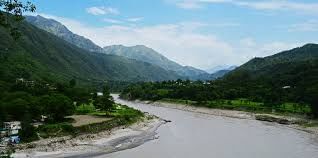
(i) The ______ and ______ rivers flow through the Northern Plain of India.
Ans: Ganges and Yamuna
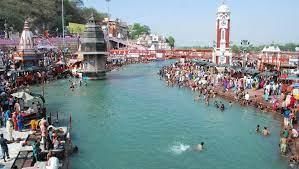
The Ganges and Yamuna are two of the major rivers in India, and they both flow across the Northern Plain. They bring water and fine soil, which makes the land rich and good for growing crops.
(ii) The Northern Plain is also known as the ______.
Ans: Indo-Gangetic Plain
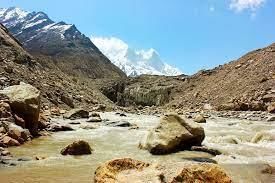
The name Indo-Gangetic Plain comes from the Indus and the Ganges river systems. These rivers and their branches have spread fertile soil over a wide area, forming this plain.
(iii) The soil in the Northern Plain is very fertile due to the deposition of ______.
Ans: alluvium
Alluvium is the soft, fine soil that rivers carry and leave behind when they slow down. Over many years, rivers like the Ganges and Yamuna have deposited alluvium, making the plains very fertile and good for farming.
(iv) The Northern Plain is divided into two parts: the ______ and ______ parts.
Ans: Western and Eastern
The Northern Plain is often split into western and eastern parts. The western part has rivers like the Indus and Sutlej, while the eastern part is mainly formed by the Ganges and its tributaries.
(v) The ______ are located to the north of the Northern Plain.
Ans: Himalayas
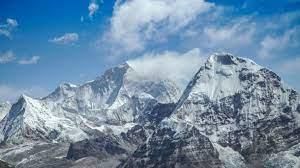
The Himalayas lie to the north of the Northern Plain. These high mountains are the source of many rivers that flow down into the plain, and help make the land fertile.
(vi) The Northern Plain is one of the most densely populated regions in ______.
Ans: India
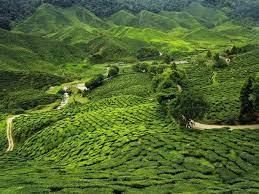
Many people live in the Northern Plain because the land is good for farming, and towns can be built easily on the flat ground. Good crops and jobs attract more people, so the area has a high population.
(vii) The ______ is located to the west of the Northern Plain.
Ans: Thar Desert
To the west of the Northern Plain lies the Thar Desert. The desert is dry and sandy, which is very different from the green and fertile plains nearby.
(viii) The Northern Plain is formed by the deposits brought by rivers like the ______ and ______.
Ans: Ganges, Yamuna, and Sutlej
Rivers such as the Ganges, Yamuna and Sutlej carry soil from the mountains and deposit it on the plains. Over a long time, these deposits have built up the flat, fertile land called the Northern Plain.
(ix) The soil in the Northern Plain is suitable for growing ______ and ______.
Ans: wheat, rice, and sugarcane
The rich alluvial soil of the Northern Plain is excellent for crops like wheat, rice and sugarcane. These crops grow well because of the good soil and the water from rivers and rain.
(x) The Northern Plain has a flat and level terrain which makes it ideal for ______.
Ans: agriculture
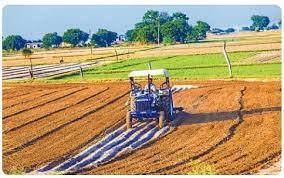
Because the land is flat and even, farmers can plough easily, use simple tools, and make fields for irrigation. This flat shape makes the Northern Plain perfect for agriculture and growing many crops.
Q2: Multiple Choice Questions (MCQs).
(i) What is another name for the Northern Plain?
(a) Himalayan Plain
(b) Deccan Plateau
(c) Indo-Gangetic Plain
(d) Western Ghats
Ans: (c)
Explanation: The Northern Plain is called the Indo-Gangetic Plain because it is formed mainly by the rivers of the Indus and the Ganges systems. These rivers have laid down large amounts of fertile soil over the region.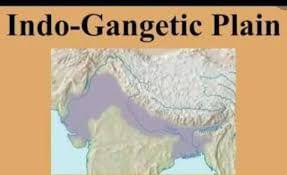
(ii) Which two major rivers flow through the Northern Plain?
(a) Brahmaputra and Godavari
(b) Yamuna and Sutlej
(c) Ganges and Narmada
(d) Krishna and Tapti
Ans: (b)
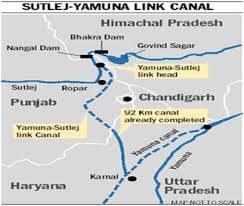
Explanation: The Yamuna and Sutlej are important rivers that flow across parts of the Northern Plain. They carry water and soil that help make the plains fertile and good for farming.
(iii) The Northern Plain is suitable for agriculture mainly because of:
(a) Rocky terrain
(b) Desert climate
(c) Fertile soil
(d) Heavy rainfall
Ans: (c)
Explanation: The best reason the Northern Plain is good for farming is its fertile soil. Rivers bring alluvium, which is rich in nutrients, so crops grow well there.
(iv) Which desert is located to the west of the Northern Plain?
(a) Sahara Desert
(b) Thar Desert
(c) Gobi Desert
(d) Atacama Desert
Ans: (b)
Explanation: The Thar Desert lies to the west of the Northern Plain. It is a dry, sandy area that forms a clear contrast with the green, farmed plains.
(v) What is the major occupation of people living in the Northern Plain?
(a) Fishing
(b) Nomadic herding
(c) Farming
(d) Mining
Ans: (c)
Explanation: Most people in the Northern Plain work in farming because the land and water are good for growing crops like wheat, rice and sugarcane. Farming provides food and jobs for many families.
Q3: True or False.
(i) The Northern Plain is a dry and barren region.
Ans: False
Explanation: The Northern Plain is not dry and barren. It has rich, fertile soil and is covered with fields and crops, so it is one of the most fertile and farmed regions.
(ii) The Himalayas are located to the south of the Northern Plain.
Ans: False
Explanation: The Himalayas are to the north of the Northern Plain. They form the northern boundary and are the source of many rivers that flow into the plain.
(iii) The soil in the Northern Plain is fertile due to river deposits.
Ans: True
Explanation: The soil is fertile because rivers carry and leave behind alluvial soil. These river deposits add nutrients to the land, helping crops to grow well.
(iv) The Thar Desert is located to the east of the Northern Plain.
Ans: False
Explanation: The Thar Desert is to the west of the Northern Plain, not the east. The west side has dry, sandy land, while the plains are green and farmed.
(v) The Northern Plain is one of the least populated areas in India.
Ans: False
Explanation: The Northern Plain is one of the most populated areas in India. Good farming land, water and towns attract many people to live and work there.
Q4: Match the Following.
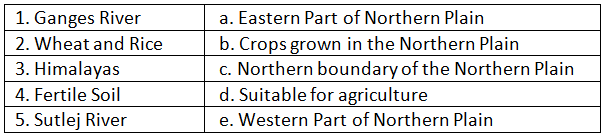
Ans: 1. Ganges River - Eastern Part of Northern Plain
The Ganges River flows mainly through the eastern part of the Northern Plain and helps make that land fertile.
2. Wheat and Rice - Crops grown in the Northern Plain
Wheat and rice are two of the main crops grown on the rich soil of the plains.
3. Himalayas - Northern boundary of the Northern Plain
The Himalayas form the high, snowy border in the north and supply rivers to the plains.
4. Fertile Soil - Suitable for agriculture
The fertile soil makes the plain excellent for growing food crops.
5. Sutlej River - Western Part of Northern Plain
The Sutlej is one of the rivers that flows across the western part of the Northern Plain and adds soil and water to that area.
Q5: Short Answer Questions.
(i) What are the major rivers that flow through the Northern Plain, and why are they important for the region's agriculture?
Ans: The major rivers are the Ganges, Yamuna and Sutlej. They are important because they bring water for irrigation and carry fertile soil called alluvium. This makes the land rich and helps farmers grow crops like rice, wheat and sugarcane.
(ii) Describe two geographical features of the Northern Plain that make it suitable for farming.
Ans: Two features are:
- Flat and level land: This makes ploughing and irrigation easy and helps grow crops on large fields.
- Plenty of river water: Rivers provide water for irrigation and also bring fertile soil that improves crop growth.
(iii) Why is the Northern Plain densely populated compared to other regions of India?
Ans: The Northern Plain has rich soil, a good water supply and flat land for building homes and towns. These things make it easy to grow food and earn a living, so many people live there, making it densely populated.
(iv) Explain the role of the Himalayas in shaping the geography of the Northern Plain.
Ans: The Himalayas act as a high northern boundary. Many rivers begin in these mountains and flow down to the plains, bringing water and soil. This makes the plains fertile. The mountains also help protect the plains from very cold winds from the north.
(v) What is the significance of the fertile soil in the Northern Plain for the country's agricultural economy?
Ans: Fertile soil in the Northern Plain helps grow large amounts of important food crops like rice and wheat. This supports food supply for the country, gives work to many people, and helps farmers sell surplus crops in markets, which adds to the country's economy.
FAQs on Worksheet Solutions: The Northern Plain - 2
| 1. What is the Northern Plain? |  |
| 2. What is the significance of the Northern Plain? | |
| 3. Which states are located in the Northern Plain? | |
| 4. What are the main crops grown in the Northern Plain? | |
| 5. How does the Northern Plain contribute to India's economy? | |