Worksheet: The Climate in Our Country - 2

Q1: Fill in the Blanks.
(i) The ______ is an imaginary line that divides the Earth into the Northern and Southern Hemispheres.
(ii) The ______ of a place refers to how hot or cold it is.
(iii) The ______ is a seasonal wind that brings heavy rains to many parts of our country.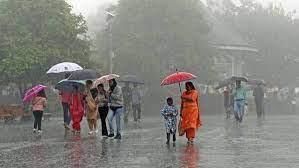
(iv) The ______ mountain range acts as a barrier to the cold winds from the north.
(v) ______ are areas with very little rainfall and hot temperatures.
(vi) The two main types of climate in our country are ______ and ______.
(vii) The ______ of India receives heavy rainfall due to the influence of the Arabian Sea.
(viii) ______ is common in the higher regions of the Himalayas during winters.
(ix) The climate of a place can affect the types of ______ that can live there.
(x) ______ are dense forests with high rainfall throughout the year.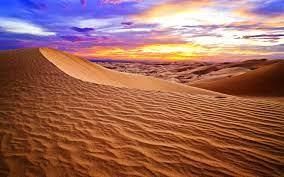
Q2: Multiple Choice Questions (MCQs).
(i) What is the main factor that determines the climate of a place?
(a) The number of people living there
(b) The distance from the equator
(c) The color of the soil
(d) The height of the buildings
(ii) Which season brings heavy rainfall to most parts of India?
(a) Winter
(b) Summer
(c) Monsoon
(d) Spring
(iii) What is a desert?
(a) A place with cold temperatures and heavy snow
(b) A place with high rainfall and dense forests
(c) A place with very little rainfall and hot temperatures
(d) A place with moderate rainfall and mild temperatures
(iv) Why does the western coast of India receive heavy rainfall?
(a) Due to its high altitude
(b) Due to the influence of the Pacific Ocean
(c) Due to the presence of deserts
(d) Due to the influence of the Arabian Sea
(v) Which mountain range acts as a barrier to cold winds from the north?
(a) Alps
(b) Andes
(c) Himalayas
(d) Rockies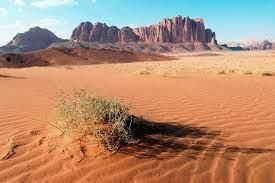
Q3: True or False.
(i) The equator divides the Earth into Eastern and Western Hemispheres.
(ii) The climate of a place has no effect on the types of plants and animals found there.
(iii) Monsoon winds bring heavy rains to many parts of our country.
(iv) Snowfall is common in the lower regions of the Himalayas.
(v) The temperature of a place refers to how much water it has.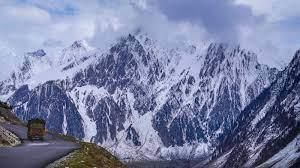
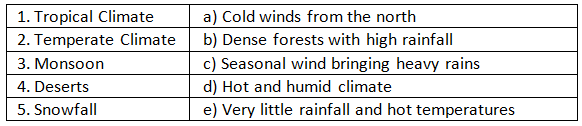
Q4: Match the Following.
Q5: Short Answer Questions.
(i) Describe the two main types of climate in our country.
(ii) How does the presence of mountains influence the climate of a region?
(iii) Explain why some regions of our country experience heavy rainfall during the monsoon season.
(iv) What are deserts and what are their main characteristics?
(v) How can the climate of a place affect the lifestyle of its people?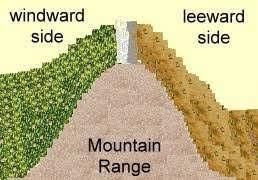
You can find Worksheets Solutions here: Worksheet Solutions: The Climate in Our Country - 2
FAQs on Worksheet: The Climate in Our Country - 2
| 1. What factors contribute to the climate in our country? |  |
| 2. How does latitude affect the climate in our country? | |
| 3. What role do ocean currents play in our country's climate? | |
| 4. How do prevailing winds affect our country's climate? | |
| 5. How does topography influence the climate in our country? | |