Worksheet: The Coastal Plains and Islands - 2

Q1: Fill in the Blanks.
(i) The Coastal Plains are located along the ____________.
(ii) Islands are usually surrounded by ____________.
(iii) The area where land meets the sea is called the ____________.
(iv) The ____________ is the largest ocean in the world.
(v) ____________ is the process of moving sand from one place to another along the coast.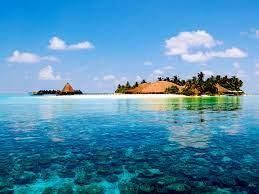
Q2: Multiple Choice Questions (MCQs).
(i) Which of the following is NOT a feature of coastal plains?
(a) Hills
(b) Mountains
(c) Valleys
(d) Plateaus
(ii) What surrounds an island?
(a) Desert
(b) River
(c) Water
(d) Forest
(iii) Which ocean is known for being the smallest?
(a) Pacific Ocean
(b) Atlantic Ocean
(c) Indian Ocean
(d) Arctic Ocean
(iv) What causes tides in the oceans?
(a) Wind
(b) Moon's gravitational pull
(c) Earth's rotation
(d) Volcanic activity
(v) Coastal erosion can be caused by ____________.
(a) Planting trees
(b) Building sandcastles
(c) Ocean currents and waves
(d) Collecting seashells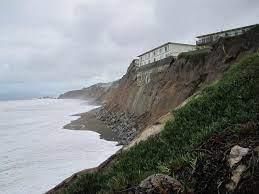
Q3: True or False.
(i) Coastal plains are found only along the oceans.
(ii) Islands are always large landmasses surrounded by water.
(iii) The Pacific Ocean is the smallest ocean on Earth.
(iv) Tides are primarily caused by the moon's gravitational pull.
(v) Coastal erosion is the process of adding more sand to the beach.
(vi) The coastline never changes over time.
(vii) Islands can be formed by volcanic activity.
(viii) Coastal areas have a mild climate due to the constant ocean breeze.
(ix) The Great Barrier Reef is the largest coral reef in the world.
(x) Mangrove trees help prevent soil erosion along the coasts.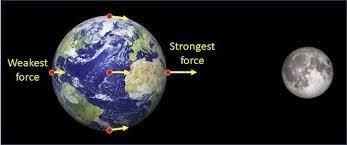
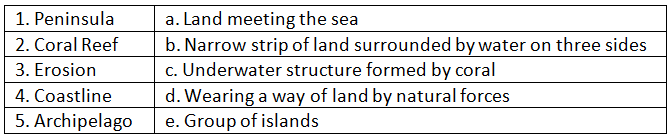
Q4: Match the Following.
Q5: Define the Following.
(i) Coastal Plains
(ii) Tides
(iii) Island
(iv) Mangroves
(v) Beach Erosion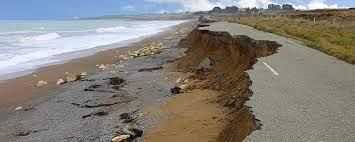
Q6: Short Answer Questions.
(i) How are islands formed?
(ii) Explain how tides occur.
(iii) What is the importance of mangrove trees in coastal areas?
(iv) Describe two human activities that can contribute to coastal erosion.
(v) Why is the coastline considered a dynamic and changing environment?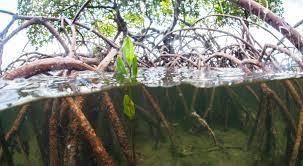
You can find Worksheets Solutions here: Worksheet Solutions: The Coastal Plains and Islands - 2
FAQs on Worksheet: The Coastal Plains and Islands - 2
| 1. What are the main features of the Coastal Plains and Islands? |  |
| 2. How are Coastal Plains and Islands formed? | |
| 3. What are the economic activities associated with the Coastal Plains and Islands? | |
| 4. How do coastal areas contribute to biodiversity conservation? | |
| 5. What are the potential threats to the Coastal Plains and Islands? | |