Worksheet: Industry - 2

Q1: Fill in the Blanks.
(i) The processing of one form of resource into another useful item is called ________________.
(ii) The raw materials used in manufacturing are also known as ________________.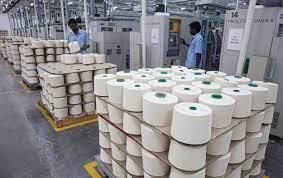
(iii) An input for the paper industry is ________________.
(iv) Finished products from different industries are assembled in the ________________ industry to make cars.
(v) Economic growth of a country depends on its ________________.
(vi) ________________ industries are those that use natural resources like sugarcane and fruits.
(vii) Industries that use iron ore and cement fall under ________________ classification.
(viii) Mumbai is the largest center for ________________ industry in India.
(ix) Mineral-based industries are usually located near the ________________ of raw materials.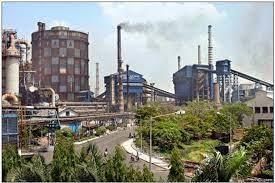
(x) The second largest employer of people after agriculture is the ________________ industry.
Q2: Multiple Choice Questions (MCQs).
(i) What is the term for the transformation of resources into useful items?
(a) Transformation
(b) Manufacturing
(c) Processing
(d) Production
(ii) Which industry uses sugarcane as an input?
(a) Iron and steel
(b) Textile
(c) Sugar
(d) Automobile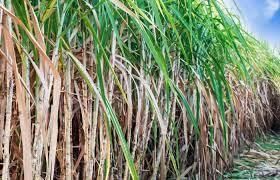
(iii) What is a key requirement for industrial development?
(a) Sports facilities
(b) Skyscrapers
(c) Technical skills
(d) Entertainment centers
(iv) Which industry is known for assembling finished products from various sources?
(a) Textile
(b) Paper
(c) Automobile
(d) Sugar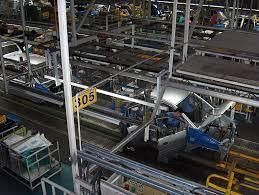
(v) Where are mineral-based industries often located?
(a) Urban centers
(b) Remote forests
(c) Near the source of raw materials
(d) Coastal areas
Q3: True or False.
(i) Agro-based industries use minerals as raw materials.
(ii) Large-scale industries require fewer machines and money compared to small-scale industries.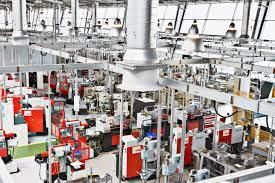
(iii) Handlooms are an example of rural and cottage industries.
(iv) Textile is the largest employer of people in India.
(v) Mineral-based industries are usually located far away from their raw material sources.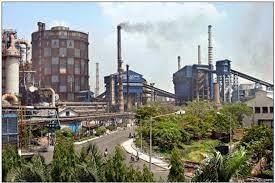
Q4: Correct and Rewrite the Following Statements.
(i) Raw materials used in manufacturing are always in the form needed by a particular industry.
(ii) Agro-based industries mainly rely on mineral resources.
(iii) Small-scale industries require more machinery and money than large-scale industries.
(iv) The sugar industry is mostly located in mountainous regions.
(v) Mineral-based industries are generally found far away from raw material sources.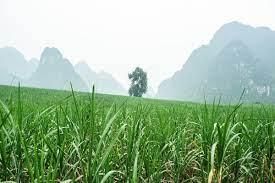
Q5: Write Any Two Differences Between the Following.
(i) Large-scale and small-scale industries.
(ii) Agro-based and mineral-based industries.
Q6: Name the Following.
(i) The industry that uses sugarcane as its primary raw material.
(ii) The largest center for the textile industry in India.
(iii) The second largest employer of people after agriculture.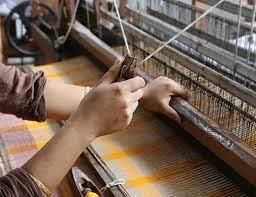
Q7: Short Answer Questions.
(i) What are the key factors required for industrial development in a country?
(ii) Explain the concept of inputs and outputs in manufacturing with an example.
(iii) Describe the difference between large-scale and small-scale industries.
(iv) Why are mineral-based industries usually located near the source of raw materials?
(v) How does the economic growth of a country relate to its industrial development?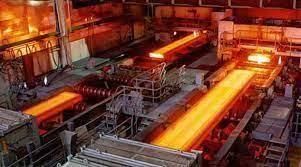
You can find Worksheets Solutions here: Worksheet Solutions: Industry - 2
FAQs on Worksheet: Industry - 2
| 1. What is the importance of the industry sector? |  |
| 2. How does the industry sector impact the environment? | |
| 3. What are the types of industries? | |
| 4. How does the industry sector contribute to economic growth? | |
| 5. What are the challenges faced by the industry sector? | |