CBSE Class 1  >  Class 1 Notes  >  Mathematics  >  Worksheet: Numbers Up to 20 - 2

Worksheet: Numbers Up to 20 - 2

Q1: Use the Correct Symbols

(i) 7 ___ 9

(ii) 15 ___ 12

(iii) 4 ___ 4

(iv) 10 ___ 18

(v) 14 ___ 6
Q1: Use the Correct Symbols

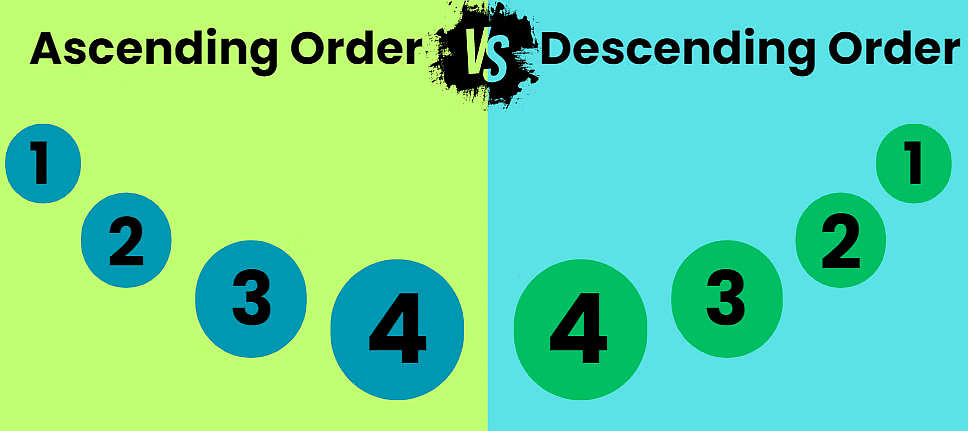
Q2: Arrange the Numbers in Descending Order

(i) Arrange these numbers in descending order: 16, 3, 12, 8, 19

(ii) Arrange these numbers in descending order: 10, 2, 17, 6, 13

(iii) Arrange these numbers in descending order: 20, 11, 5, 1, 7

(iv) Arrange these numbers in descending order: 9, 15, 4, 14, 18

(v) Arrange these numbers in descending order: 2, 6, 13, 11, 7

Q3: Arrange the Numbers in Ascending Order

(i) Arrange these numbers in ascending order: 14, 1, 6, 19, 11

(ii) Arrange these numbers in ascending order: 5, 12, 18, 4, 9

(iii) Arrange these numbers in ascending order: 10, 2, 15, 3, 8

(iv) Arrange these numbers in ascending order: 16, 7, 13, 20, 17

(v) Arrange these numbers in ascending order: 6, 9, 1, 11, 4
Q3: Arrange the Numbers in Ascending Order

Q4: Fill in the Correct Letters to Complete the Number of Names

(i) 1 = O _ E

(ii) 5 = F _ V _

(iii) 12 = T _ E _ V _

(iv) 17 = S _ V _ NT _ _ N

(v) 20 = T _ _ N _ Y

Q5: Statement Questions with Situations

(i) If you have 8 apples and your friend has 5 apples, how many apples do you both have together?

(ii) If you have 15 candies and you eat 3 of them, how many candies do you have left?

(iii) If you count from 1 to 10, what number comes after 7?

(iv) If you have 14 toys, and you give 6 toys to your friend, how many toys do you have left?

(v) If you have 9 marbles and your brother has 11, who has more?

Q6: Write the Missing Numbers

(i) 1, 2, __, 4, 5

(ii) __, 8, 9, 10, 11

(iii) 12, 13, 14, __, 16

(iv) 17, __, 19, 20

(v) 3, __, 5, 6

Q7: What Comes Before, Between, and After a Number?

(i) What comes before 9?

(ii) What comes between 14 and 16?

(iii) What comes after 19?

(iv) What comes before 5?

(v) What comes between 10 and 12?

You can access the solutions to this worksheet here.

The document Worksheet: Numbers Up to 20 - 2 is a part of the Class 1 Course Mathematics for Class 1.
All you need of Class 1 at this link: Class 1

FAQs on Worksheet: Numbers Up to 20 - 2

1. How do I count and identify numbers up to 20 correctly?
Ans. Counting numbers up to 20 involves recognising each digit from 1 through 20 in sequence and understanding their order. Students should practise writing numerals, matching them with objects, and saying them aloud. Using worksheets with number sequences helps reinforce recognition and ordering skills for this foundational numeracy concept in Class 1 mathematics.
2. What's the difference between one-digit and two-digit numbers in the 1-20 range?
Ans. One-digit numbers (1-9) use a single digit to represent their value, while two-digit numbers (10-20) combine a tens place with a ones place. For example, 15 means one ten and five ones. Understanding this distinction helps students grasp place value and number composition essential for early arithmetic operations.
3. Why do I get confused when ordering numbers from 1 to 20?
Ans. Ordering confusion often stems from not visualising the sequence clearly or skipping numbers during counting. Students should use number lines, count repeatedly using fingers or objects, and complete ordering exercises on worksheets consistently. Practising ascending and descending sequences strengthens number sequencing skills and reduces mistakes in examinations.
4. How can I recognise which number comes before and after in the 1-20 sequence?
Ans. Number recognition improves through repeated exposure to sequences and patterns. Students learn "before" and "after" by counting forwards and backwards regularly, using visual aids like number charts, and completing comparison activities on practice worksheets. This skill builds confidence in understanding number relationships and consecutive ordering in CBSE Class 1 curriculum.
5. What are common mistakes students make while working with numbers up to 20?
Ans. Frequent errors include reversing digits (writing 12 as 21), skipping numbers during counting, and confusing similar-looking numerals. Students may also struggle with number naming and representation using tally marks or objects. Regular practise with visual worksheets, flashcards, and repetitive counting exercises helps eliminate these typical mistakes effectively.
Explore Courses for Class 1 exam
Get EduRev Notes directly in your Google search
Related Searches
shortcuts and tricks, Worksheet: Numbers Up to 20 - 2, Semester Notes, Summary, Sample Paper, pdf , mock tests for examination, Worksheet: Numbers Up to 20 - 2, Previous Year Questions with Solutions, Worksheet: Numbers Up to 20 - 2, MCQs, Important questions, study material, video lectures, ppt, practice quizzes, Exam, past year papers, Objective type Questions, Extra Questions, Free, Viva Questions;