CBSE Class 4  >  Class 4 Notes  >  Worksheets with solutions  >  Worksheet: Fields And Fences - 1

Worksheet: Fields And Fences - 1

Q: Answer the following Questions.

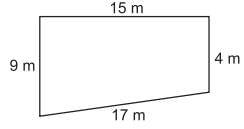
(i) Shyam grows rice in his farm. Can you help him to find out the length of boundary from the picture given below?
Q: Answer the following Questions.

(ii) Find how much wire is needed to fence the following fields.
(a)
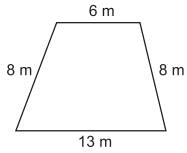
Q: Answer the following Questions.
(b)
Q: Answer the following Questions.

(iii) In the picture given below of a field find the side with longest side.
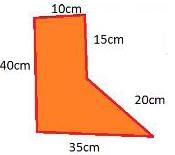
Q: Answer the following Questions.

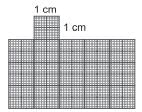
(iv) Find the length of the boundary of the following figures if each sq. is 1 sq. cm.
(a) 
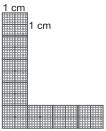
Q: Answer the following Questions.

(b) 
Q: Answer the following Questions.

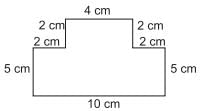
(v) Find the length of boundary in the picture below.
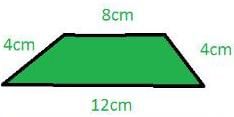
Q: Answer the following Questions.

(vi) Draw and shade a rectangle which covers 40 squares on the given graph paper.

Q: Answer the following Questions.

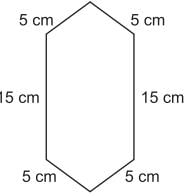
(vii) Find out the length of the boundary of the hexagon.
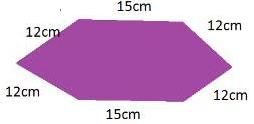
Q: Answer the following Questions.

(viii) On the given graph draw two figures which covers the same number of squares.

Q: Answer the following Questions.

(ix) Java runs around the outer circle and Maya runs around the inner circle. Can you explain why Java runs more distance than Maya?
Q: Answer the following Questions.

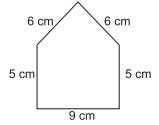
(x) Find the length of the boundary of this form house.
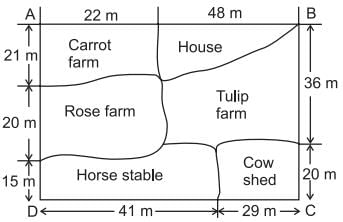
Q: Answer the following Questions.

(xi) Mohan runs around the rectangular field 4 times a day. How much distance do he runs in a day?
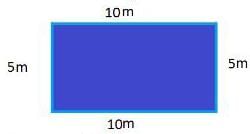
Q: Answer the following Questions.

(xii) How will you divide this picture into 4 equal pieces. How many number of squares will be there in each piece.
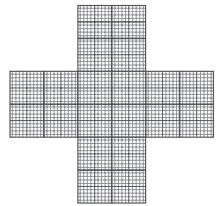
Q: Answer the following Questions.

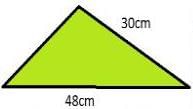
(xiii) If the total length of the boundary is 98 cm and length of two sides are 30 cm and 48 cm. Find the length of the third side.
Q: Answer the following Questions.

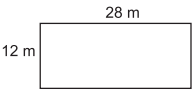
(xiv) A farmer went to market and bought a fencing wire of 150 m. He wants to put it twice around his form. Is this wire enough?
Q: Answer the following Questions.

(xv) What will be length of the wire required to fence the triangular field with side 15 m each?

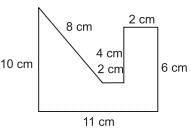
(xvi) Find the length of the boundary of the following figures
(a) 
Q: Answer the following Questions.
(b) 
Q: Answer the following Questions.
(c) 
Q: Answer the following Questions.

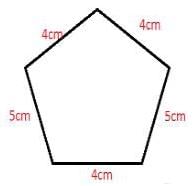
(xvii) Find the length of the boundary with side 5 cm each in the picture below.

Q: Answer the following Questions.

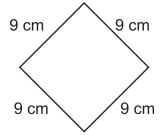
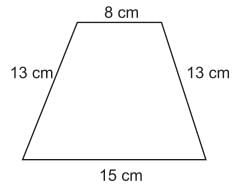
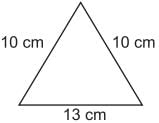
(xviii) Find out which figure will need the longest wire to fence it:
(a)
Q: Answer the following Questions.
(b)
Q: Answer the following Questions.
(c) 
Q: Answer the following Questions.
(d) 
Q: Answer the following Questions.

(xix) Find the length of the wire required to fence the triangular park shown in the picture.
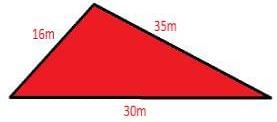
Q: Answer the following Questions.

(xx) Draw a shape which covers 24 squares on the graph paper.

Q: Answer the following Questions.

You can access the solutions to this worksheet here.

The document Worksheet: Fields And Fences - 1 is a part of the Class 4 Course Worksheets with solutions for Class 4.
All you need of Class 4 at this link: Class 4

FAQs on Worksheet: Fields And Fences - 1

1. What are the key factors to consider when designing a field and fence layout?
Ans. When designing a field and fence layout, key factors to consider include the purpose of the field (e.g., livestock, crops), the topography of the land, the type of soil, local climate conditions, and the type of animals or plants that will be involved. Additionally, it's important to consider the durability and height of the fence, as well as any local regulations regarding fencing.
2. How do I choose the right type of fence for my field?
Ans. Choosing the right type of fence for your field depends on several factors, including the type of livestock you have, your budget, and aesthetics. Common options include barbed wire, electric fencing, wooden post and rail, and chain link. Each type has its own advantages and disadvantages, so it's important to assess your specific needs and consult with a fencing professional if necessary.
3. What are the benefits of using a fence in agricultural fields?
Ans. The benefits of using a fence in agricultural fields include protection of crops and livestock from predators, preventing livestock from straying, and controlling access to certain areas. Fences can also help in managing grazing patterns and promoting sustainable land use by restricting overgrazing in specific parts of the field.
4. How can I maintain my field fence to ensure its longevity?
Ans. To maintain your field fence and ensure its longevity, regularly inspect for damage, such as loose wires or broken posts. Remove any vegetation that may be growing near the fence, as it can lead to decay. Additionally, treat wooden posts with preservatives and tighten any loose wires. Conducting these maintenance checks at least twice a year can greatly extend the life of your fence.
5. Are there any regulations I need to be aware of when building a fence around my field?
Ans. Yes, there may be local regulations regarding fence height, materials, and placement, especially if your property borders a public road or another property. It’s important to check with your local zoning office or agricultural extension service to ensure compliance with any laws or ordinances. Additionally, discussing plans with neighbors can help avoid disputes and ensure everyone is informed.
Explore Courses for Class 4 exam
Get EduRev Notes directly in your Google search
Related Searches
past year papers, Exam, MCQs, mock tests for examination, Previous Year Questions with Solutions, Sample Paper, Objective type Questions, Semester Notes, Worksheet: Fields And Fences - 1, ppt, pdf , Summary, practice quizzes, Important questions, Worksheet: Fields And Fences - 1, study material, Free, shortcuts and tricks, video lectures, Viva Questions, Extra Questions, Worksheet: Fields And Fences - 1;