CBSE Class 9 > Class 9 Notes > Science > Important Points: The Fundamental Unit of Life
Important Points: The Fundamental Unit of Life


Introduction to Cells
- Cells are the fundamental organizational units of living organisms.
- Enclosed by a plasma membrane composed of lipids and proteins.
- The plasma membrane regulates the movement of materials in and out of the cell.
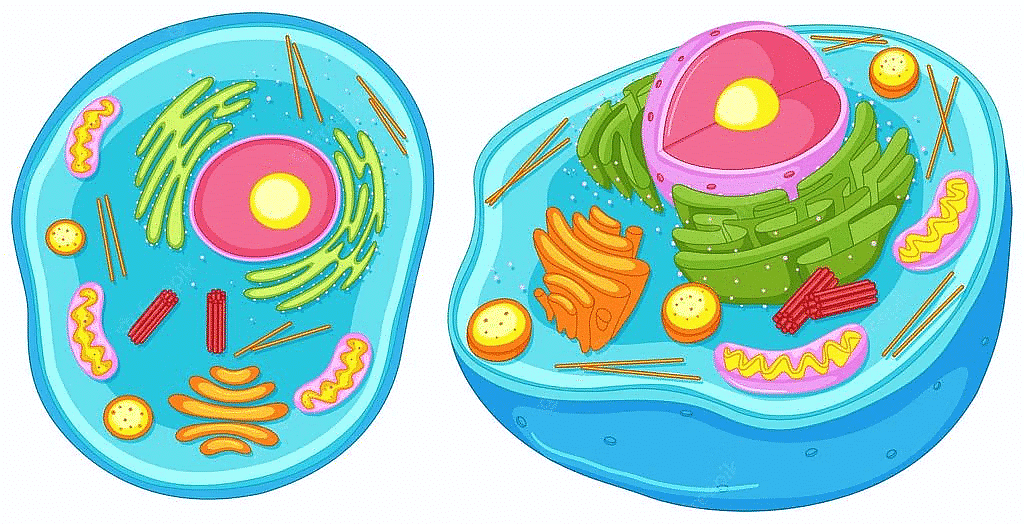
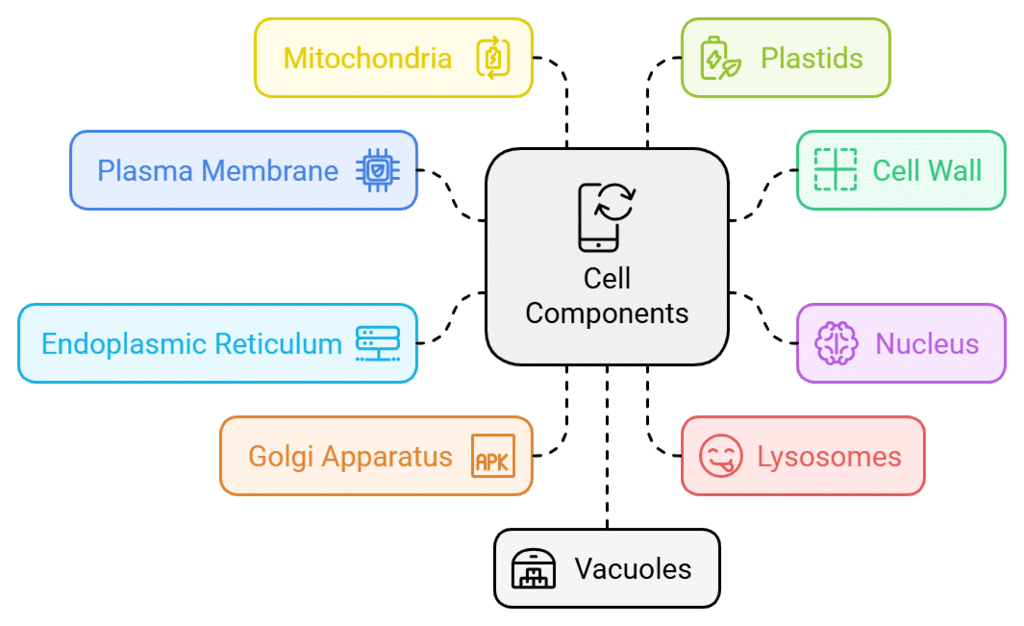
Cell Components
Plasma Membrane:
- Active part of the cell.
- Regulates material movement between the cell interior and the external environment.
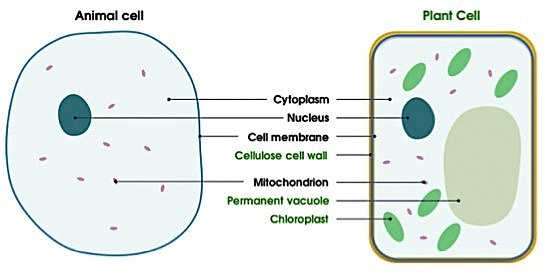
Cell Wall (in plant cells):
- Composed mainly of cellulose.
- Provides structural strength and prevents bursting in hypotonic media.
MULTIPLE CHOICE QUESTIONTry yourself: What is the main function of the plasma membrane in a cell?
Cell Structures
Nucleus
- Separated from the cytoplasm by a double-layered membrane.
- Directs the life processes of the cell.
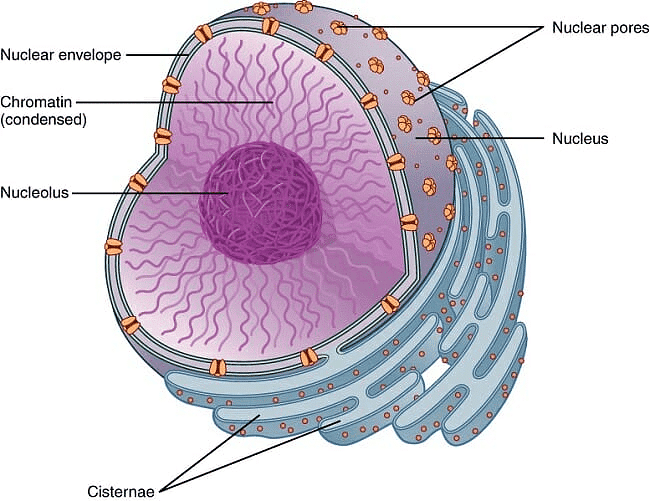 Nucleus
Endoplasmic Reticulum (ER)
- Network of membrane-bound tubes and sheets.
- Rough ER (RER) has ribosomes, while smooth ER (SER) synthesizes lipids.
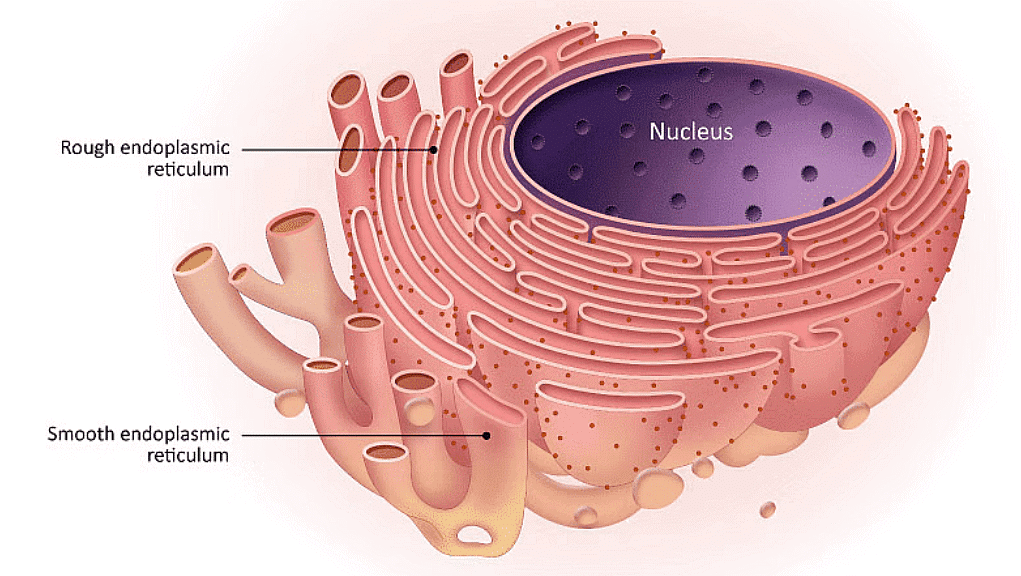 Endoplasmic Reticulum
Golgi Apparatus
- Consists of stacks of membrane-bound vesicles.
- Modifies, packages, and stores substances manufactured in the cell.
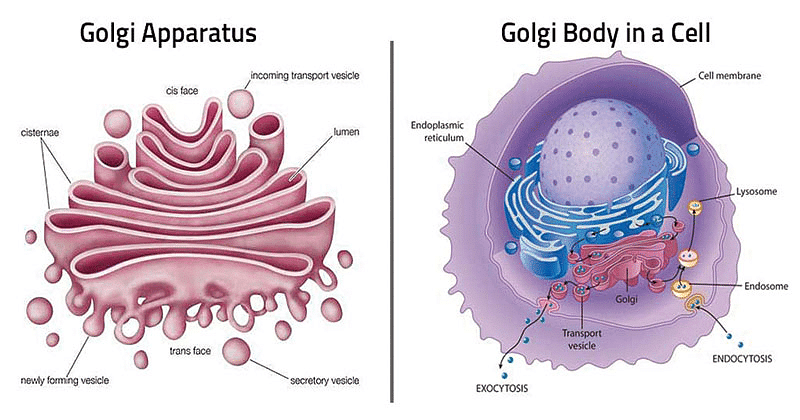 Golgi Apparatus
Lysosomes
- Membrane-bound sacs with digestive enzymes.
- Involved in waste disposal and digestion of foreign materials.
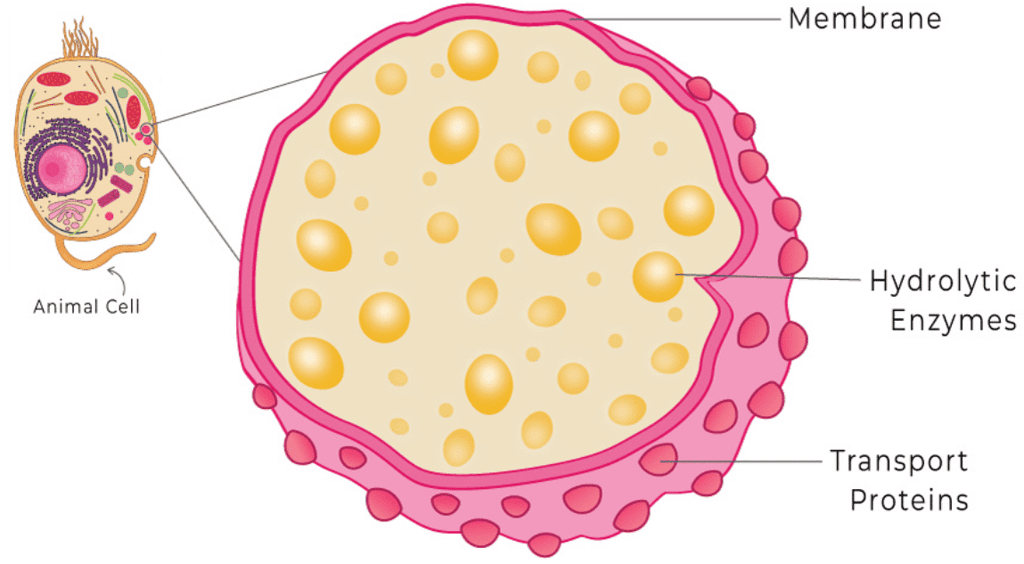 Lysosomes
Mitochondria
- Powerhouses of the cell.
- Produce energy in the form of ATP through chemical reactions.
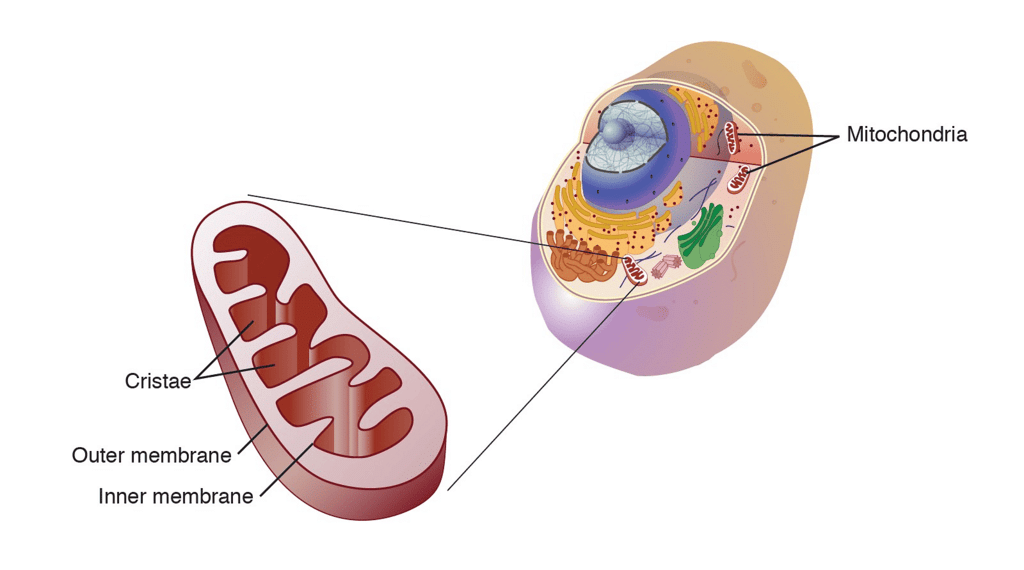 Mitochondria
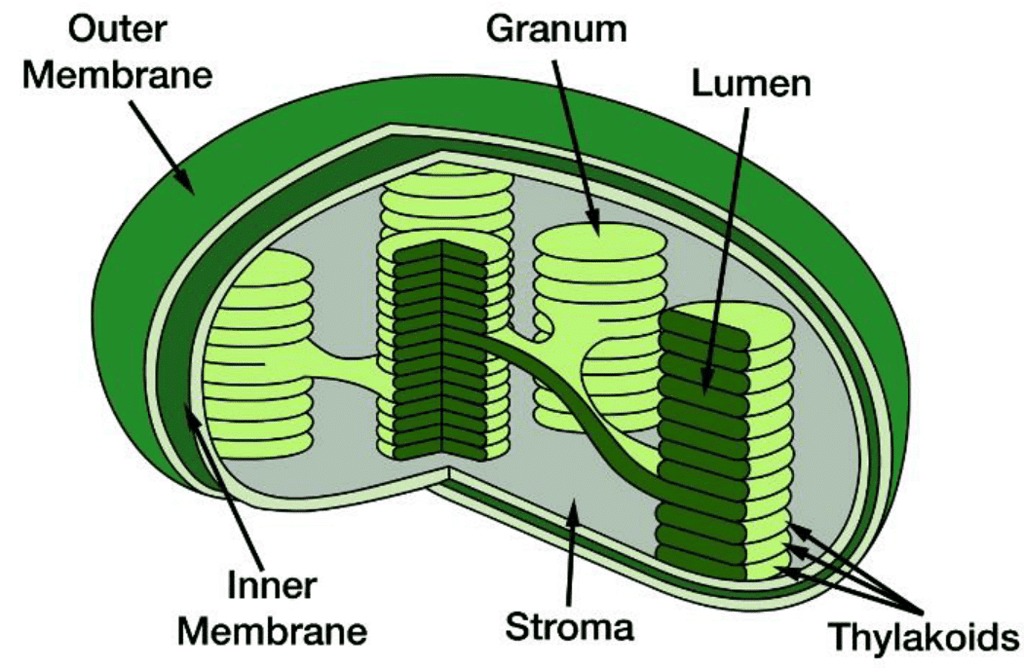
Plastids (in plant cells)
- Chromoplasts contain chlorophyll for photosynthesis.
- Leucoplasts store substances like starch, oils, and proteins.
 Plastids
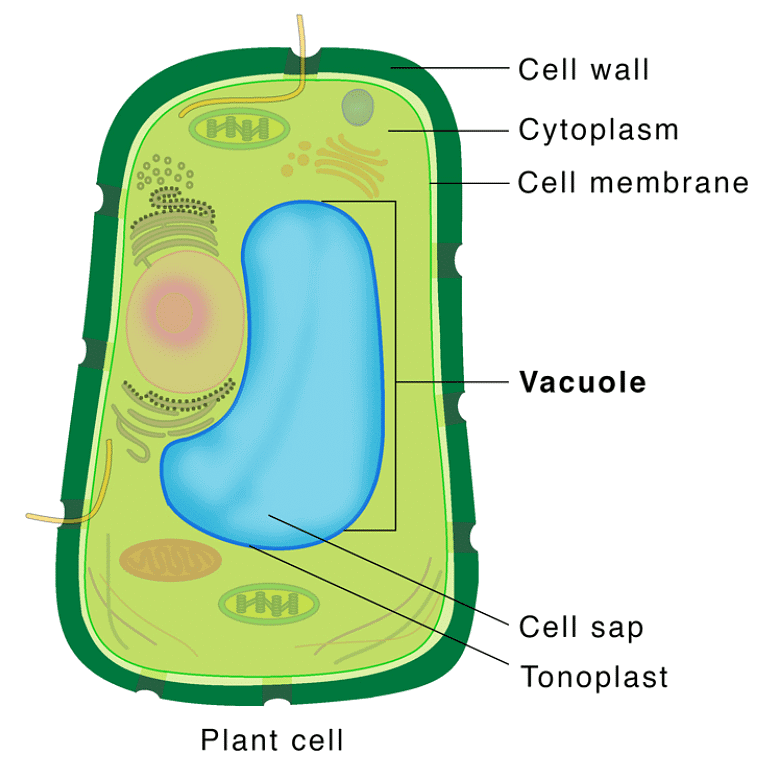
Vacuoles
- Small in animal cells, and large in plant cells.
- Store cell sap and various substances.
- Provide turgidity and rigidity to plant cells.
 Vacuole in Plant Cell
Cell Division
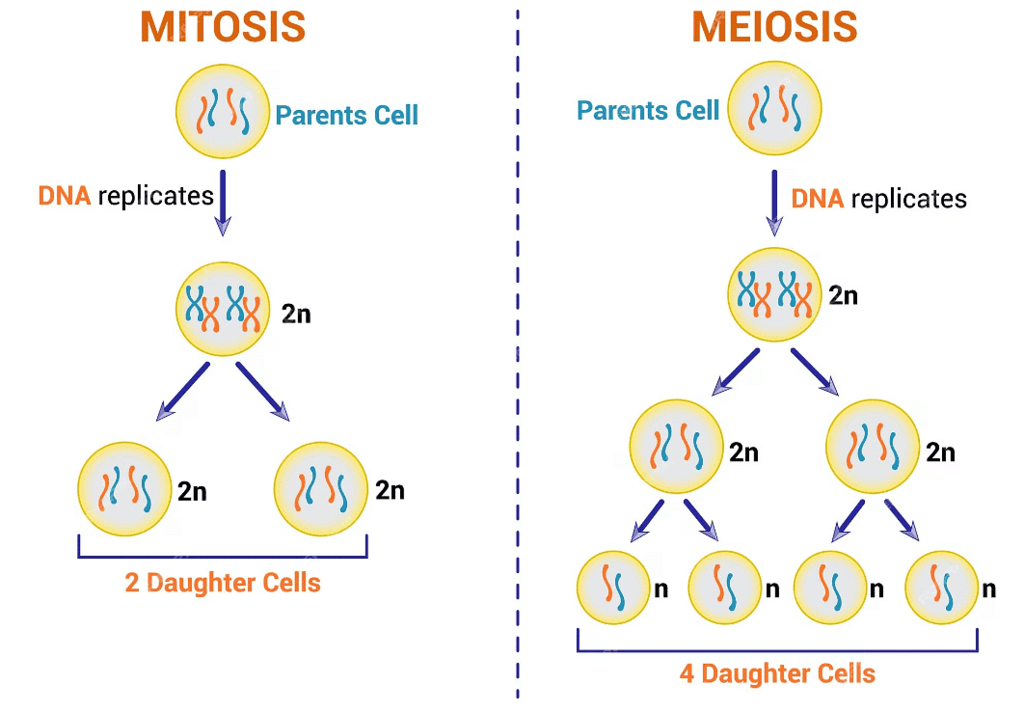
Mitosis:
- Process for growth and tissue repair.
- The mother cell divides into two identical daughter cells.
Meiosis:
- Process for forming gametes.
- Involves two consecutive divisions, resulting in four daughter cells with half the chromosome number.
MULTIPLE CHOICE QUESTIONTry yourself: What is the function of the Golgi Apparatus in a cell?
Historical Perspective
- Cells were first discovered by Robert Hooke in 1665.
- Anton van Leeuwenhoek (1674) observed free-living cells in pond water.
- Robert Brown (1831) discovered the nucleus.
- Cell theory (Schleiden and Schwann, 1838-39) states that all plants and animals are composed of cells.
- Virchow (1855) expanded the cell theory by suggesting that all cells arise from pre-existing cells.
- Electron microscope (1940) allowed the observation of complex cell structures and organelles.
Conclusion
- Cells are the basic structural and functional units of life.
- Different organelles and structures contribute to the diverse functions of cells.
- Cell division is essential for growth, repair, and reproduction.
The document Important Points: The Fundamental Unit of Life is a part of the Class 9 Course Science Class 9.
All you need of Class 9 at this link: Class 9
FAQs on Important Points: The Fundamental Unit of Life
| 1. What is the fundamental unit of life according to Class 9 biology? |  |
Ans. The fundamental unit of life according to Class 9 biology is a cell.
| 2. What are some important cell components discussed in the article? | |
Ans. Some important cell components discussed in the article are cell structures, vacuoles, and cell division.
| 3. What is the role of vacuoles in a cell? | |
Ans. Vacuoles in a cell play a vital role in storing water, nutrients, and waste products, as well as maintaining turgidity in plant cells.
| 4. How is cell division important for the growth and repair of living organisms? | |
Ans. Cell division is crucial for the growth and repair of living organisms as it allows for the production of new cells to replace old or damaged ones.
| 5. Why is it important to understand the historical perspective of cell biology? | |
Ans. Understanding the historical perspective of cell biology helps us appreciate the advancements made in the field, leading to our current understanding of the fundamental unit of life.
About this Document

12.7K Views

4.66/5 Rating

Apr 19, 2026 Last updated
Document Description: Important Points: The Fundamental Unit of Life for Class 9 2026 is part of Science Class 9 preparation. The notes and questions for Important Points: The Fundamental Unit of Life have been prepared according to the Class 9 exam syllabus. Information about Important Points: The Fundamental Unit of Life covers topics like and Important Points: The Fundamental Unit of Life Example, for Class 9 2026 Exam. Find important definitions, questions, notes, meanings, examples, exercises and tests below for Important Points: The Fundamental Unit of Life.
Introduction of Important Points: The Fundamental Unit of Life in English is available as part of our Science Class 9 for Class 9 & Important Points: The Fundamental Unit of Life in Hindi for Science Class 9 course. Download more important topics related with notes, lectures and mock test series for Class 9 Exam by signing up for free. Class 9: Important Points: The Fundamental Unit of Life
Description
Important Points: The Fundamental Unit of Life of Science Class 9 on EduRev - ideal for last minute preparation, covers all the important topics needed for revision. Download free PDF from EduRev.
Information about Important Points: The Fundamental Unit of Life
In this doc you can find the meaning of Important Points: The Fundamental Unit of Life defined & explained in the simplest way possible. Besides explaining types of Important Points: The Fundamental Unit of Life theory, EduRev gives you an ample number of questions to practice Important Points: The Fundamental Unit of Life tests, examples and also practice Class 9 tests



Related Searches
mock tests for examination, video lectures, Important Points: The Fundamental Unit of Life, Exam, Sample Paper, Previous Year Questions with Solutions, ppt, study material, Important Points: The Fundamental Unit of Life, Important questions, Viva Questions, Semester Notes, past year papers, Objective type Questions, Summary, Free, shortcuts and tricks, pdf , MCQs, Important Points: The Fundamental Unit of Life, practice quizzes, Extra Questions;