Q1: What is deforestation, and what are some natural causes of deforestation?
Ans: Deforestation is the clearing of forests and using the land for other purposes. Some natural causes of deforestation include forest fires and severe droughts. DeforestationQ2: Explain the consequences of deforestation on the environment.
Ans: Deforestation leads to increased temperature, pollution, higher levels of carbon dioxide in the atmosphere, decreased groundwater levels, disturbed water cycle, reduced rainfall, and changes in soil properties.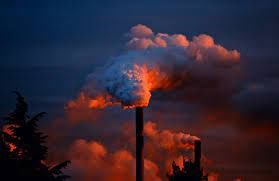 PollutionQ3: How does deforestation contribute to global warming, and what are its effects?
Ans: Deforestation increases carbon dioxide levels in the atmosphere, leading to global warming as carbon dioxide traps heat rays. This can disturb the water cycle and cause droughts.
Q4: List some products we get from forests, and discuss whether we will face a shortage of these products if tree-cutting continues.
Ans: Some products from forests include wood, paper, medicines, and various forest-based resources. If tree-cutting continues, we may face a shortage of these products. PaperQ5: What are wildlife sanctuaries, and how do they contribute to conservation?
Ans: Wildlife sanctuaries are protected areas where killing or capturing animals is prohibited. They provide suitable living conditions for wild animals and help protect them from threats. Chandigarh Wildlife SanctuariesQ6: Explain the significance of biosphere reserves in conserving biodiversity.
Ans: Biosphere reserves help conserve biodiversity by preserving the variety of plants, animals, and microorganisms found in an area. They also protect the culture of that area.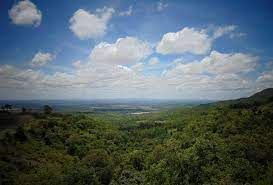 Biosphere ReservesQ7: Define endemic species and provide examples from the Pachmarhi Biosphere Reserve.
Ans: Endemic species are those found exclusively in a particular area. Examples from Pachmarhi Biosphere Reserve include the giant squirrel, sal, wild mango, bison, and flying squirrel.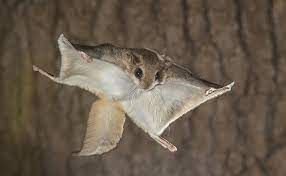 Flying SquirrelQ8: What is the importance of preserving endemic species, and what threats do they face?
Ans: Preserving endemic species is important for maintaining biodiversity. Endemic species face threats from habitat destruction, increasing population, and the introduction of new species.
Q9: What is the concept of a species, and why is it important for conservation efforts?
Ans: A species is a group of populations capable of interbreeding, and it is important for conservation efforts because it helps identify and protect distinct groups of organisms.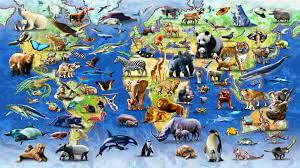 SpeciesQ10: Describe the role of National Parks in conservation, and discuss the importance of Satpura National Park.
Ans: National Parks protect ecosystems, flora, fauna, landscapes, and historic objects. Satpura National Park is significant for its diverse wildlife, including tigers and endangered animals.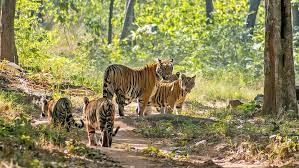 Satpura National ParkQ11: What is Project Tiger, and why was it launched in India?
Ans: Project Tiger was launched to protect and ensure the survival of the tiger population in India, which was facing a decline.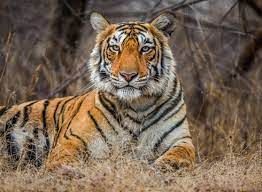 Q12: Explain the term "endangered animals" and mention some examples.
Ans: 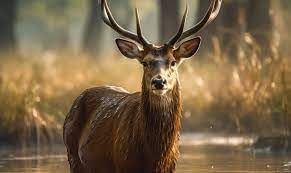 BarasinghaEndangered animals are species whose numbers are diminishing to the point where they might face extinction. Examples include lions, elephants, wild buffaloes, and barasingha.
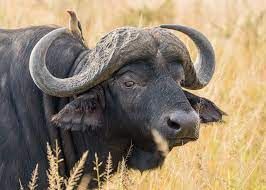 Wild BuffaloesQ13: What is the Red Data Book, and why is it important in conservation?
Ans: The Red Data Book is a record of endangered animals and plants. It is important for monitoring and protecting species at risk of extinction. Q14: What are migratory birds, and why do they migrate?
Ans: Migratory birds are those that fly to different areas due to climatic changes, especially for laying eggs in warmer climates when their natural habitat becomes inhospitable.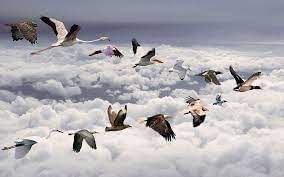 Migratory BirdsQ15: How can recycling paper contribute to conservation efforts, and what other benefits does paper recycling offer?
Ans: Recycling paper can help save trees, energy, and water needed for paper manufacturing. It also reduces the use of harmful chemicals in paper production. Recycling





