UPSC Exam  >  UPSC Notes  >  Indian Polity CSE  >  List of Other Constitutional Dimensions

List of Other Constitutional Dimensions

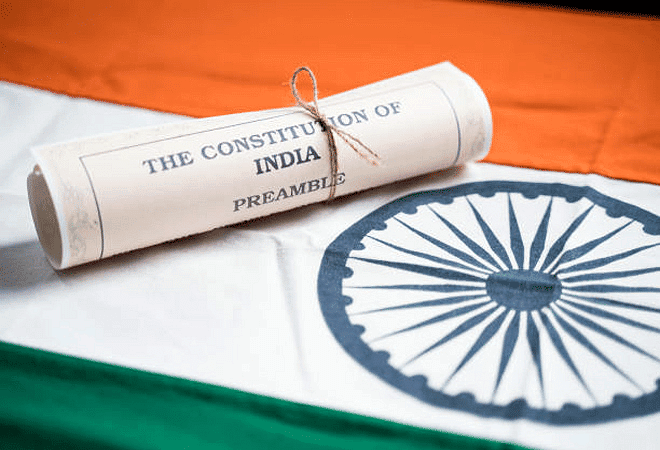
The Indian Constitution is a comprehensive document that not only outlines the fundamental political principles but also addresses various other dimensions crucial for the governance of the country. Understanding these dimensions is vital for grasping the diverse nature of Indian polity and governance. These dimensions include Cooperative Societies, Official Languages, Public Services, Rights and Liabilities of the Government, Special Provisions relating to Certain Classes, and Special Provisions for Some States.
List of Other Constitutional Dimensions

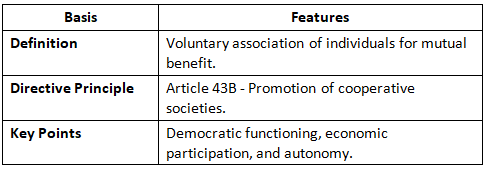
I. Co-operative Societies

I. Co-operative Societies

II. Official Languages
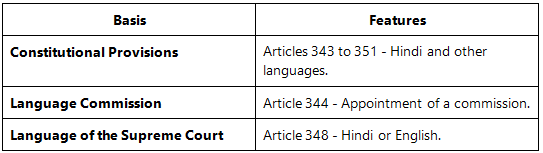
II. Official Languages

III. Public Services
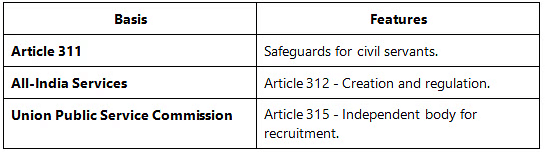
III. Public Services

IV. Rights and Liabilities of the Government
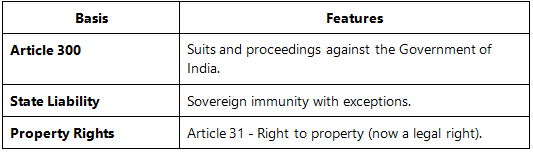
IV. Rights and Liabilities of the Government

V. Special Provisions relating to Certain Classes
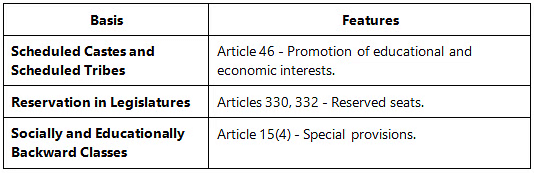
V. Special Provisions relating to Certain Classes

VI. Special Provisions for Some States
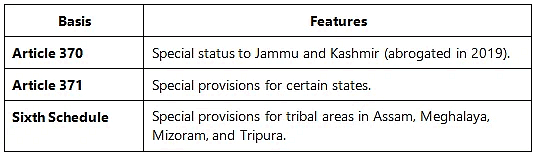
VI. Special Provisions for Some States

Conclusion

The Constitution of India, in its wisdom, addresses a multitude of dimensions that are essential for the inclusive and effective governance of a diverse nation. Understanding these other constitutional dimensions helps in appreciating the depth and foresight embedded in the Indian Constitution, reflecting its role as a living document catering to the evolving needs of its people. For students, comprehending these aspects is not only crucial for academic purposes but also for becoming informed citizens aware of the nuances of their nation's governance.

The document List of Other Constitutional Dimensions is a part of the UPSC Course Indian Polity for UPSC CSE.
All you need of UPSC at this link: UPSC

FAQs on List of Other Constitutional Dimensions

1. What are the other constitutional dimensions apart from the ones mentioned in the article?
Ans. The other constitutional dimensions include the separation of powers, federalism, judicial review, and the rule of law.
2. How does the concept of federalism impact the constitutional dimensions?
Ans. Federalism refers to the division of power between the central government and regional governments. It affects the constitutional dimensions by ensuring a balance of power and promoting autonomy for regional governments.
3. Can you explain the concept of judicial review and its significance in constitutional dimensions?
Ans. Judicial review is the power of the courts to review the actions of the legislative and executive branches of government. It ensures that these actions are in line with the constitution, thereby upholding the constitutional dimensions.
4. What is the role of the separation of powers in the constitutional dimensions?
Ans. The separation of powers refers to the division of government functions among three branches: the legislature, the executive, and the judiciary. It helps prevent the concentration of power in one entity, ensuring a system of checks and balances that supports the constitutional dimensions.
5. How does the rule of law contribute to the constitutional dimensions?
Ans. The rule of law ensures that all individuals, including those in positions of power, are subject to the law. It promotes fairness, justice, and accountability, which are essential aspects of the constitutional dimensions.
Explore Courses for UPSC exam
Get EduRev Notes directly in your Google search
Related Searches
pdf , mock tests for examination, Viva Questions, Extra Questions, Summary, Sample Paper, past year papers, Semester Notes, List of Other Constitutional Dimensions, MCQs, Previous Year Questions with Solutions, Exam, List of Other Constitutional Dimensions, ppt, video lectures, Objective type Questions, Important questions, practice quizzes, Free, study material, shortcuts and tricks, List of Other Constitutional Dimensions;