English Alphabets

Hello, little learners! Today we will talk about alphabets - the special letters we use to make words.
What are Alphabets?
- Alphabets are like building blocks for words.
- Just like you use blocks to build a house, we use alphabets to build words so we can talk, read, and write.
- There are 26 alphabets in English.
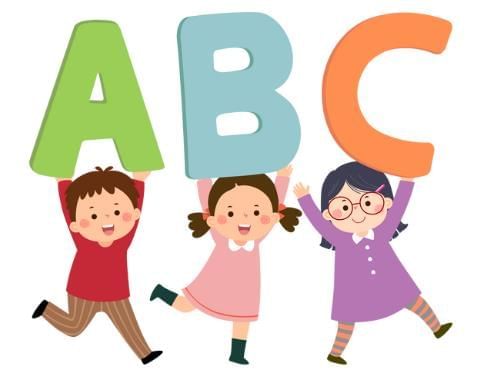
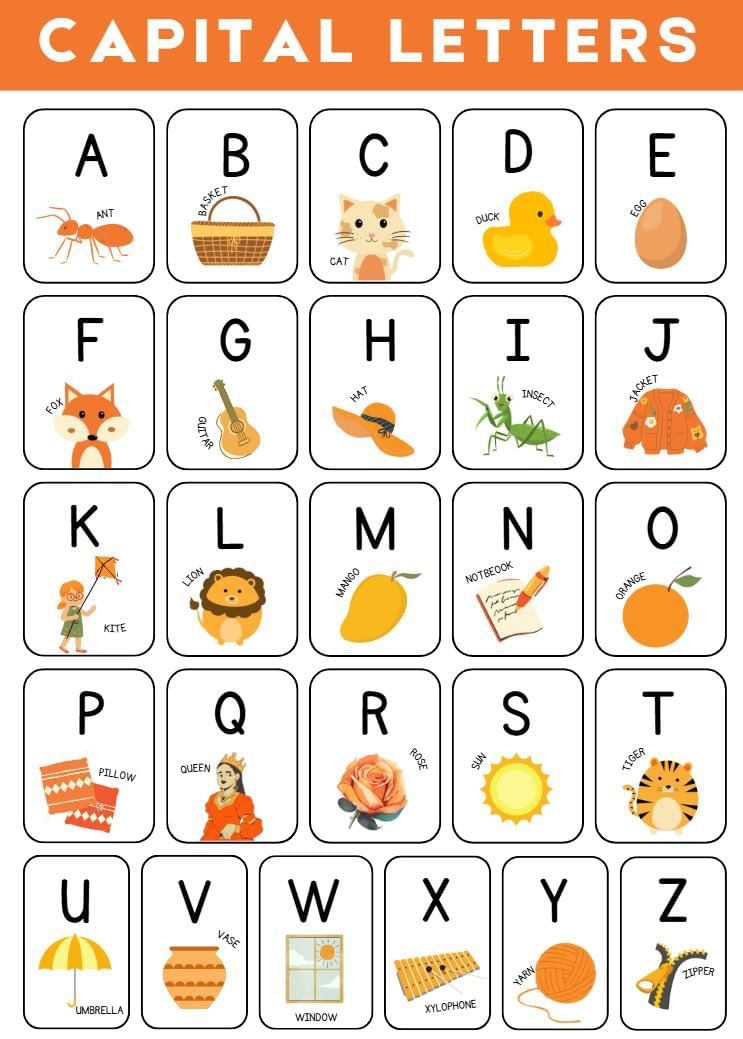
Capital Letters (Big Letters)
- These are the big alphabets.
- We use them at the start of a name, sentence, or special word.
- Examples: A, B, C, D, E
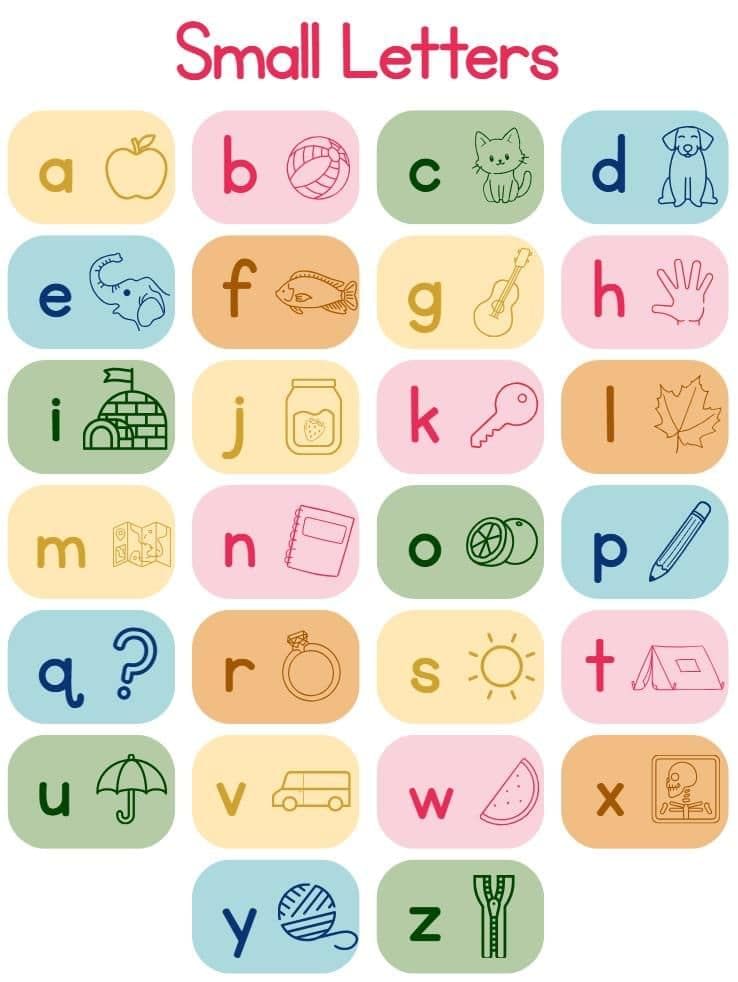
Small Letters
- These are the small alphabets.
- We use them in the middle or end of words.
- Examples: a, b, c, d, e
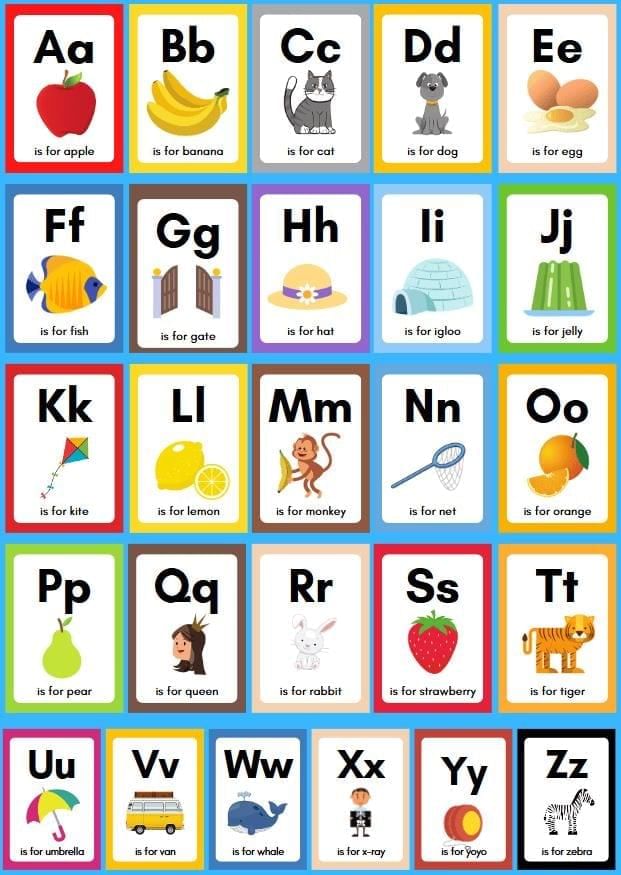
Big & Small Work Together
Big and small letters are like big friends and small friends - they help each other make words.
Examples:
- A and a → Apple, ant
- B and b → Ball, bat
- C and c → Cat, car
More Examples in Words
- D and d → Dog, doll
- S and s → Sun, sock
- M and m → Mango, milk
Remember
- Big = Capital Letter
- Small = Small Letter
- Both are important to read and write.
The document English Alphabets is a part of the UKG Course English for UKG.
All you need of UKG at this link: UKG
FAQs on English Alphabets
| 1. How do I write all 26 English alphabets correctly in uppercase and lowercase? |  |
Ans. The English alphabet consists of 26 letters divided into two forms: uppercase (A-Z) and lowercase (a-z). Each letter has a distinct shape and size. Practising letter formation through tracing activities, visual worksheets, and flashcards helps students master proper handwriting of both capital and small letters. Regular repetition ensures accurate writing skills for UKG learners.
| 2. What's the difference between vowels and consonants in English alphabets? | |
Ans. Vowels are five letters (A, E, I, O, U) that represent open sounds made without blocking airflow. Consonants are the remaining 21 letters that require tongue, lip, or teeth contact to produce sound. Understanding this classification is fundamental for phonics learning and early reading development. Students can refer to mind maps and flashcards to memorise vowel and consonant groups easily.
| 3. Why do some alphabets have both capital and small letter forms? | |
Ans. Capital letters (uppercase) and small letters (lowercase) serve different grammatical purposes in written English. Uppercase letters begin sentences, proper nouns, and titles, while lowercase letters form most word bodies. This dual-letter system helps readers distinguish sentence starts and important words. For UKG students, understanding this distinction builds foundational writing conventions necessary for future literacy.
| 4. How can I help my child remember the alphabetical order easily? | |
Ans. The alphabetical sequence (A to Z) is best learnt through the traditional alphabet song, rhymes, and repetitive chanting. Visual aids like alphabet charts, picture-based flashcards, and interactive videos reinforce letter sequencing. Practising alphabet tracing worksheets and engaging with PPTs designed for early learners accelerates memorisation. Consistent daily practice with varied learning methods strengthens alphabetic knowledge and recall speed.
| 5. What are the best activities to teach English alphabet recognition and letter sounds? | |
Ans. Effective alphabet learning combines letter identification with phonics-connecting each letter to its sound. Activities include tracing letters, matching uppercase-lowercase pairs, alphabet puzzles, and picture-word associations. Interactive methods like singing, flashcard games, and visual learning resources engage young learners better than rote memorisation alone. Refer to worksheets, mind maps, and PPTs available on EduRev for structured, age-appropriate activities tailored for UKG English curriculum.
About this Document

2.3K Views

4.75/5 Rating

Apr 18, 2026 Last updated
Related Exams
Document Description: English Alphabets for UKG 2026 is part of English for UKG preparation. The notes and questions for English Alphabets have been prepared according to the UKG exam syllabus. Information about English Alphabets covers topics like and English Alphabets Example, for UKG 2026 Exam. Find important definitions, questions, notes, meanings, examples, exercises and tests below for English Alphabets.
Introduction of English Alphabets in English is available as part of our English for UKG for UKG & English Alphabets in Hindi for English for UKG course. Download more important topics related with notes, lectures and mock test series for UKG Exam by signing up for free. UKG: English Alphabets
Description
English Alphabets of English covers all the important topics, helping you prepare for the UKG exam on EduRev. Start for free!
Information about English Alphabets
In this doc you can find the meaning of English Alphabets defined & explained in the simplest way possible. Besides explaining types of English Alphabets theory, EduRev gives you an ample number of questions to practice English Alphabets tests, examples and also practice UKG tests



Related Searches
Important questions, pdf , Semester Notes, video lectures, ppt, English Alphabets, Summary, English Alphabets, Free, Viva Questions, Sample Paper, Objective type Questions, past year papers, Extra Questions, study material, practice quizzes, MCQs, shortcuts and tricks, Exam, English Alphabets, mock tests for examination, Previous Year Questions with Solutions;