Chapter Notes: The Plant Fairy

Introduction
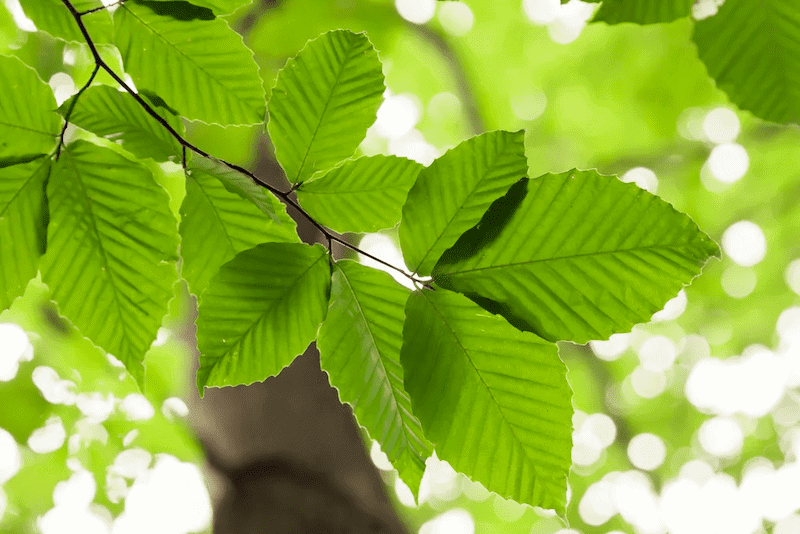 The chapter "The Plant Fairy" revolves around a fun and interactive game where children explore the world of plants through observation and play. They touch, feel, and identify different types of plants, leaves, and trees, learning about their diversity. The game, led by a "Plant Fairy," helps the children recognize the various shapes, sizes, and colors of plants, encouraging them to engage with nature in a playful and educational manner.
Explanation
Introduction to the Game
The chapter begins with children playing familiar games like Hide and Seek and Antakshari in a garden.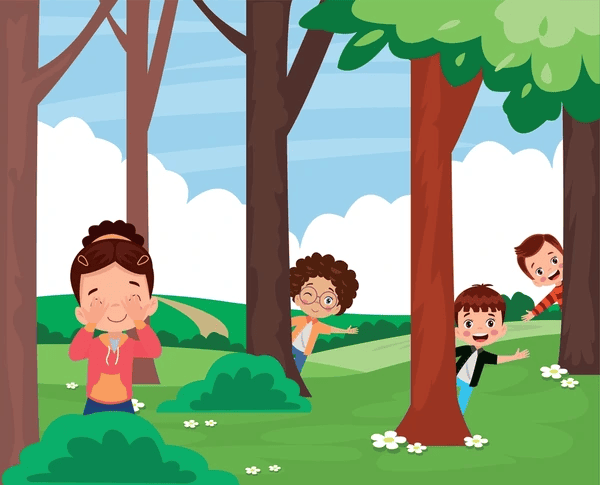 Didi, one of the older children, introduces a new game called "The Plant Fairy". In this game, the "Plant Fairy" gives instructions, and the children have to touch the named object (plants, trees, etc). This activity encourages children to interact with plants and observe their surroundings.
Observing Different Plants
The first instruction given by Didi, acting as the Plant Fairy, is to touch a plant. The children quickly touch various plants like jasmine, marigold, mehendi, and neem.
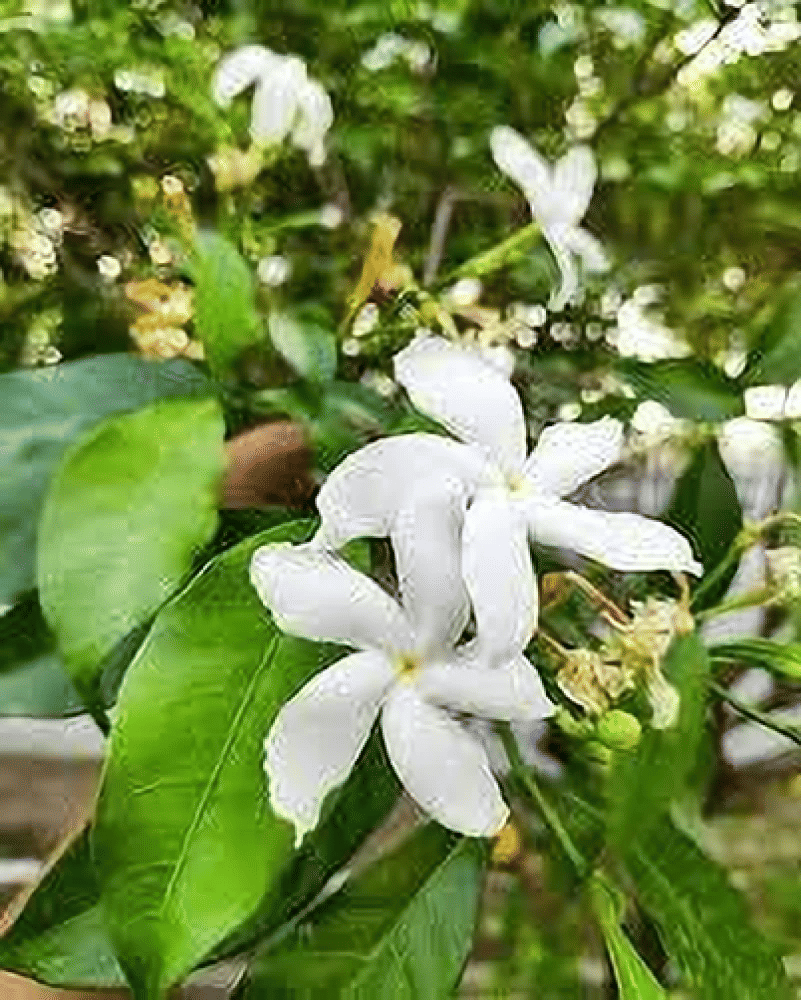 Jasmine
 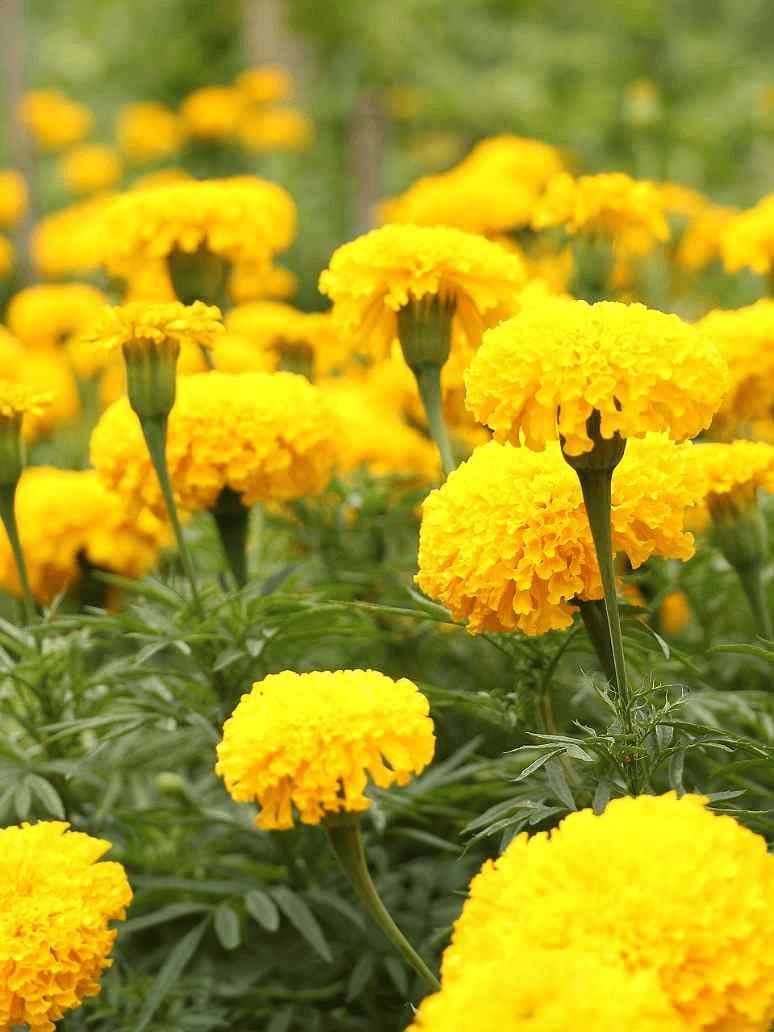 Marigold
Didi points out that all the plants are different from each other. Plants, although similar, vary in many characteristics. Next, Didi asks the children to notice the difference between trees with thick and thin trunks. The game now shifts to focusing on trees. The children run to touch trees and notice their trunk sizes. Some trees have thick trunks and some have thin trunks.
Michael Becomes the Plant Fairy
Michael expresses his desire to be the next Plant Fairy. The children laugh aloud - A boy fairy! They are now ready to follow his orders. 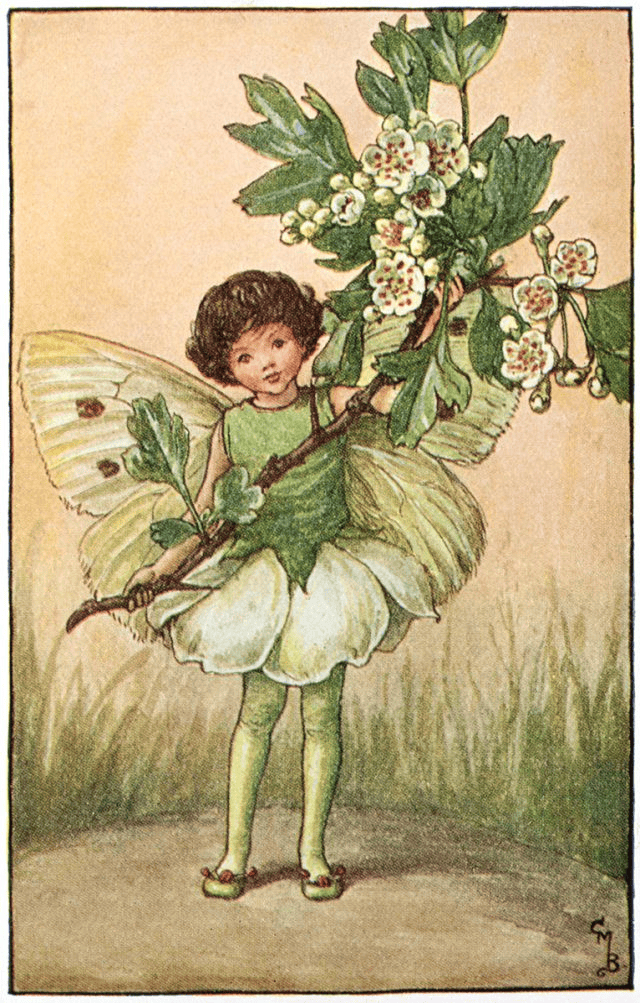 As the Plant Fairy, Michael asks the children to collect leaves. Didi asks them not to pluck them from the trees, reminding them to respect nature.
Learning About Leaves
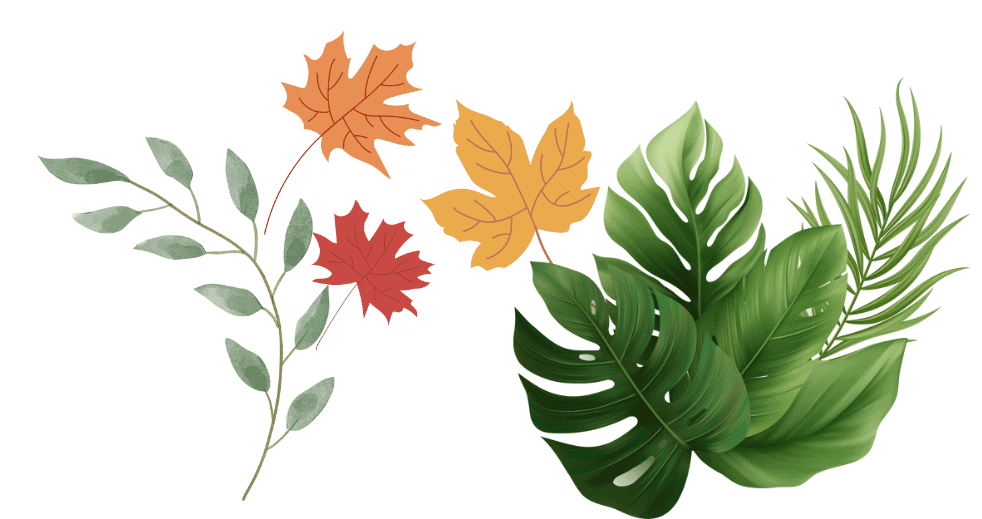
As the children collect leaves from the ground, Dayaram and others observe the variety in the leaves. They notice that leaves can have different shapes, colours, and margins:
- Leaves are described as being round, long, triangular.
- The colours range from light green, and dark green, to yellow, red, and purple.
- The margins of the leaves vary too - some are straight, while others are uneven or saw-like.
On their way home, Didi recites a poem about leaves, describing them as colourful, playful, and diverse. The poem captures the beauty of leaves in different shapes and colours and draws comparisons with familiar objects like elephant ears or butterflies. The poem also emphasizes the gentle movements of leaves in the breeze, creating a fun and imaginative way to describe nature.
Leaf Rubbing Activity
Didi teaches the children a fun craft called leaf rubbing. They place a leaf under a piece of paper and rub it with a crayon to show the leaf's texture on the paper. The kids also make rubbings of tree trunks and discover that each tree's bark feels and looks different.
Friendship with Trees
The story encourages kids to make a "friend" out of a tree. They can pick a tree near their home or school, watch it closely, and take care of it. They should observe if the tree has flowers or fruits, what its leaves look like, and if any animals live in it. This helps children feel connected to nature and learn more about the life around them.
FAQs on Chapter Notes: The Plant Fairy
| 1. What is the main theme of "The Plant Fairy"? |  |
| 2. Who are the main characters in "The Plant Fairy"? | |
| 3. What lessons can children learn from "The Plant Fairy"? | |
| 4. How does "The Plant Fairy" inspire children to connect with nature? | |
| 5. What activities can teachers use to complement "The Plant Fairy" in the classroom? | |