CBSE Class 2  >  Class 2 Notes  >  English (Mridang)  >  NCERT Solutions: Between Home and School

NCERT Solutions: Between Home and School

Let us Speak

A. What time do you leave home for school? At what time does your school start?
Ans: We leave at 10 o'clock in the morning. Our school starts at 10.30 a.m.


B. Tell your classmates about the fun you had on your way to school.
Ans: We had a lot of fun on the way. We talked and laughed together. We saw a park and some birds on the way.


C. Listen to the words that your teacher will read out. Point to the object that represents the word.

Let us Speak

Ans: Do it yourself.

Let us write

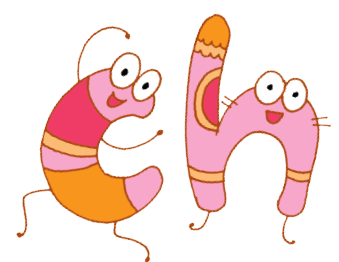
A. Write 'ch' to fill in the blanks. Read the sentences aloud.
1. Today I have brought upma for lun _ _.
2. My friend Unni loves to eat banana _ _ ips.
3. Our Tea _ _ er put up a new _ _ art in the classroom. It is on the wall behind her _ _ air.
Let us write

Ans:

1. Today I have brought upma for lun ch

2. My friend Unni loves to eat banana chips.

3. Our Tea cher put up a new chart in the classroom. It is on the wall behind her chair.

Let us Draw

A. In the box draw the route from your home to your school.
Ans: Do it yourself.


Let us Write

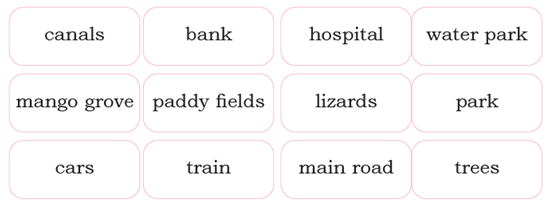
A. Circle all the things that Ravi and his friend see on their way to school.
Let us Write

Ans: Do it yourself.

B. Answer the following questions.
Q1: Name some interesting things you see everyday between your home and your school.
Ans: Do it yourself.

Q2: Ask among your family members as to who had gone on a very long journey. Write a few sentences on

  • where they had gone
  • which mode of transport they used for going and for
  • returning.

Ans: Once my parents went on a trip to Kashmir. They used a car, a plane and a taxi. They went and returned by these modes of transport. They enjoyed the trip very much. They saw hills, snow and a houseboat. It was very different from our city.

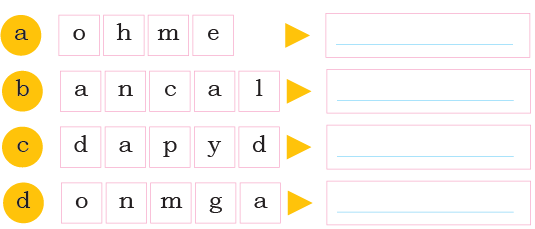
Q3: Rearrange the jumbled letters to form words. 
Hint: The words are from the lesson.
Let us Write

Ans: 

a - home

b - canal

c - paddy

d - mango

Let us Do

A. Make sentences using the words given below.
1. gate _______________________________
2. road _______________________________
3. tree _______________________________
4. lunch _______________________________
5. lizard _______________________________
Ans:

1. gate - The gate of my school closes after the morning prayer.
2. road - The road in my city is very busy.
3. tree - I have a tree that I planted myself.
4. lunch - I share my lunch with my friend at school.
5. lizard - Sometimes I see a small, colourful lizard in my garden.


B. Cut out the picture of a vehicle from an old magazine or newspaper or poster. Bring it to the class. All of you can paste them on a large sheet of paper.
Ans: Do it yourself.

The document NCERT Solutions: Between Home and School is a part of the Class 2 Course English for Class 2 (Mridang).
All you need of Class 2 at this link: Class 2

FAQs on NCERT Solutions: Between Home and School

1. What are the key differences between home and school in children's learning?
Ans. Home and school serve different but complementary roles in children's learning. Home is often a place of comfort and emotional support, where children learn values, social skills, and practical life skills through family interactions. School, on the other hand, focuses on structured education, where children gain academic knowledge, engage in social interactions with peers, and learn to follow rules and schedules. Both environments are essential for holistic development.
2. How do parents support learning at home?
Ans. Parents can support learning at home by creating a conducive environment for study, encouraging reading, and engaging in educational activities. They can help with homework, discuss school topics, and provide resources such as books and educational games. Additionally, parents can foster a positive attitude towards learning by praising efforts and instilling a sense of curiosity in their children.
3. What role do teachers play in bridging the gap between home and school?
Ans. Teachers play a crucial role in bridging the gap between home and school by communicating regularly with parents about their child's progress and needs. They can provide parents with strategies to reinforce learning at home and encourage parental involvement in school activities. Teachers also help children adapt to the school environment, ensuring they feel safe and supported as they transition from home learning to formal education.
4. Why is it important for children to have a balance between home and school learning?
Ans. A balance between home and school learning is important because it ensures that children receive comprehensive support for their development. While school provides essential academic skills and social interactions, home offers emotional support and practical life experiences. A well-rounded approach helps children develop resilience, adaptability, and a lifelong love for learning, enabling them to thrive in various environments.
5. How can schools involve parents in the educational process?
Ans. Schools can involve parents in the educational process by organising parent-teacher meetings, workshops, and community events. By providing opportunities for parents to volunteer in classrooms or participate in school governance, schools can strengthen the partnership with families. Additionally, schools can share resources, such as newsletters or online platforms, to keep parents informed about curricular activities and ways to support their children's education at home.
Explore Courses for Class 2 exam
Get EduRev Notes directly in your Google search
Related Searches
Exam, practice quizzes, Free, pdf , ppt, Objective type Questions, study material, NCERT Solutions: Between Home and School, Semester Notes, Sample Paper, Extra Questions, Viva Questions, past year papers, MCQs, mock tests for examination, NCERT Solutions: Between Home and School, Previous Year Questions with Solutions, Important questions, NCERT Solutions: Between Home and School, Summary, shortcuts and tricks, video lectures;