NCERT Solutions: We are all Indians

Let us Speak
A. What do you say when:
Q1: You want to enter the classroom
Ans: May I come in, please?
Q2: You want to visit the washroom.
Ans: I need to go to the bathroom, please.
Q3: You want to borrow a book from your friend.
Ans: Can I borrow a book, please?
Q4: You hurt someone by mistake.
Ans: I'm sorry, I didn't mean to hurt you.
Q5: You need a pencil and your friend gives you a pencil.
Ans: Thank you for the pencil, friend!
B. Choose a partner. Ask one another the following questions and reply accordingly.
Q6: What language do you speak?
Ans: I speak Hindi.
Q7: Can you speak more than one language?
Ans: Yes, I can speak English and Marathi.
Q8: Which is your favourite dish?
Ans: My favorite dish is Dosa.
Q9: Which is your favourite tree?
Ans: My favorite tree is Coconut.
Let us draw
Draw one thing that you like most in your home.
Ans: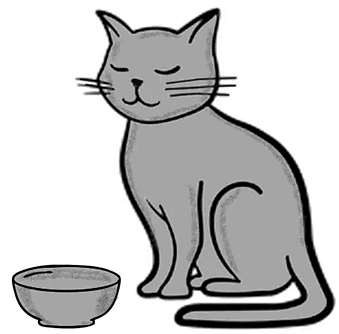
Let us Speak
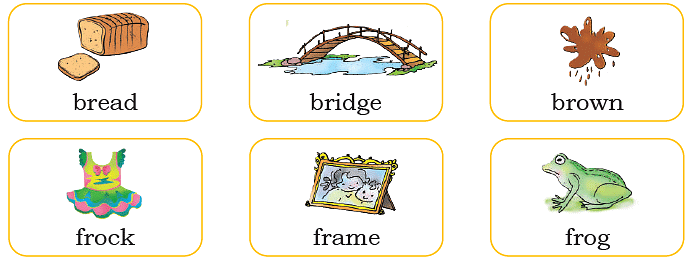
Let us Listen
Frame sentences using the above set of words given on the previous page. One has been done for you.
It was a bright sunny day. My brother went to buy bread. He crossed the bridge to reach the shop.
Ans:
1. The brown frog hopped near the bridge.
2. Mom hung my frock on the frame.
3. I built a small bridge with blocks.
4. I like to wear a brown frock.
5. Dad placed a photo in the frame.
6. Let's share the bread with the frog.
Let us Write
A. Discuss with your teacher and answer the following questions.
Q1: What do we call the people who live in India?
Ans: Indian.
Q2: Name the festival of colours.
Ans: Holi.
Q3: Which festival do you like the most? Why?
Ans: I like Diwali because we get to burst colorful crackers, eat yummy sweets, and decorate our home with bright lights and rangoli. Also, we get gifts and spend time with family. It's so much fun!
B. Rearrange the jumbled letters. The answers will be the names of languages.
1. INHDI ________
2. GNIELHS ________
3. RUUD ________
4. ELUTGU ________
Ans:
1. INHDI -HINDI
2. GNIELHS - ENGLISH
3. RUUD - URDU
4. ELUTGU - TELUGU
C. Join the given sentences using 'but'.
For example:
Sentence 1: I like to eat mangoes.
Sentence 2: I don't like to eat apples.
I like to eat mangoes but I don't like to eat apples
Now write answers for the given sentences in the same way.
Sentence 1: I like milk.
Sentence 2: I don't like tea.
Ans: I like milk but I don't like tea.
Sentence 1: My grandfather is old.
Sentence 2: He is strong.
Ans: My grandfather is old but he is strong.
Sentence 1: I wanted to go out.
Sentence 2: I was too tired.
Ans: I wanted to go out but I was too tired.
D. Match the fruits to the tree they grow on.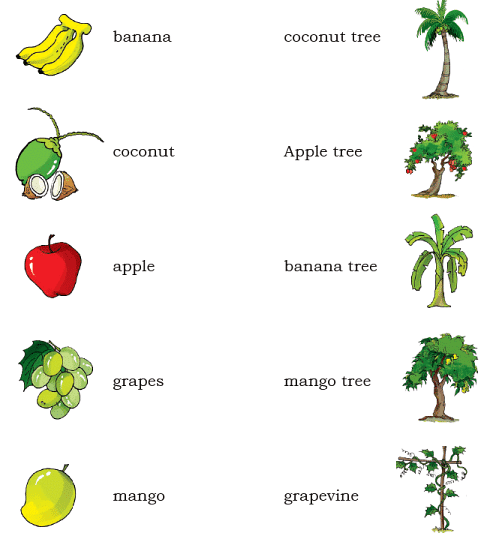 Ans:
Ans: 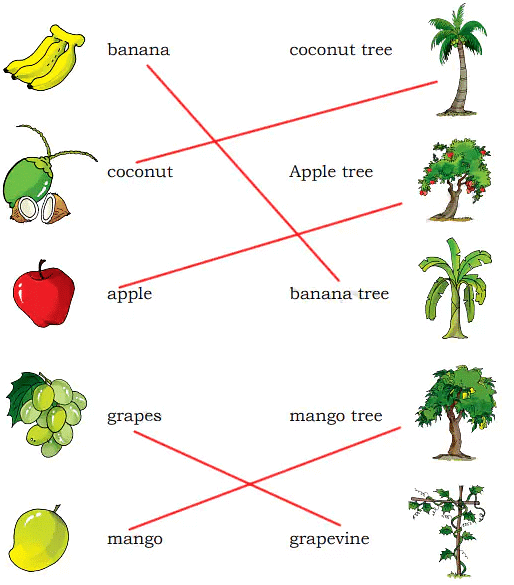
Project Work
A. Ask your parents or grandparents or your relatives about a folk song or local song that they used to sing in their village. Ask them when they used to sing it. Also learn the song in your mother tongue and then sing it in the class. Present it in the following format.
Ans: Do yourself.
FAQs on NCERT Solutions: We are all Indians
| 1. What does "We are all Indians" chapter teach us about unity and diversity in India? |  |
| 2. How should I explain the meaning of national integration for Class 2 exams? | |
| 3. What are the main themes and values covered in "We are all Indians"? | |
| 4. Why is it important for Class 2 students to understand Indian citizenship and belonging? | |
| 5. What common mistakes do students make when answering questions on unity in diversity for NCERT solutions? | |