Year 7 Exam > Year 7 Notes > The Experiences of Enslaved People
The Experiences of Enslaved People


Introduction
- Between the 16th and 18th centuries, approximately 12-15 million individuals were forcibly taken from Africa to serve as enslaved labor in regions such as the Caribbean, North, Central, and South America. Some scholars speculate that the actual number of people transported could have been even greater.
- Despite the severe brutality that characterized life on plantations, enslaved individuals managed to find avenues to assert their agency. They utilized aspects such as religion, language, culture, music, and even engaged in acts of revolution to resist the dominance of plantation owners and European colonial powers.
Arrival in the Americas
- Between the 16th and 19th centuries, European traders orchestrated the procurement and transportation of enslaved Africans to labor in the Americas, constituting the largest forced migration in history, known as the transatlantic slave trade.
- Upon arrival in the Americas, enslaved Africans were subjected to the dehumanizing practice of being sold in auctions, further diminishing their dignity. Traders and plantation owners routinely subjected them to demeaning inspections, often applying oil to their skin to enhance their appearance and fetch higher prices at auction.
- Enslaved individuals endured the indignity of branding before being dispatched to toil on plantations, where they were compelled to cultivate labor-intensive crops such as sugar, cotton, and tobacco.
MULTIPLE CHOICE QUESTIONTry yourself: What was the largest forced migration in history?
Life on Plantations
- Enslaved Population Decline: Enslaved individuals often faced early deaths due to overwork, injuries, and illnesses. For instance, between 1748 and 1788, a significant number of 335,000 enslaved individuals were transported to Jamaica. Shockingly, by 1788, only 226,432 enslaved people remained on the island.
- The Amelioration Act of 1798: The British Parliament enacted the Amelioration Act in 1798, specifically applying to the British Caribbean colonies. This legislation restricted enslaved individuals to work for only fourteen hours daily. Its primary objective was to prevent harsh treatments by imposing fines on owners mistreating their enslaved workforce.
- Impact and Criticism: Despite its intentions, the Amelioration Act fell short in safeguarding the rights of enslaved populations. Historians argue that the law primarily aimed to benefit plantation owners. The Act emerged following large-scale uprisings in Barbados, Jamaica, and Demerara between 1816 and 1832, signifying discontent among the enslaved.
The process of producing sugar
- The majority of enslaved individuals were tasked with arduous labor on sugar plantations, where the demands of the work were exceptionally challenging. Harvesting sugar cane required extensive manpower, as any delays in the process could result in the spoilage of the entire crop.
- Preparing the ground for planting involved extensive digging and creating holes for the cane. Once planted, the cane required fertilization with animal manure. Working days lasted a minimum of 18 hours, conducted in sweltering conditions.
- Constant weeding was necessary to safeguard the growing cane. During harvest time, the cane was cut and loaded onto carts, a physically demanding task that required round-the-clock labor. The harvested cane was then transported to the sugar mill, where it was crushed and boiled to extract the juices, a perilous operation that often led to severe accidents, resulting in amputations for many workers.
Forms of Resistance
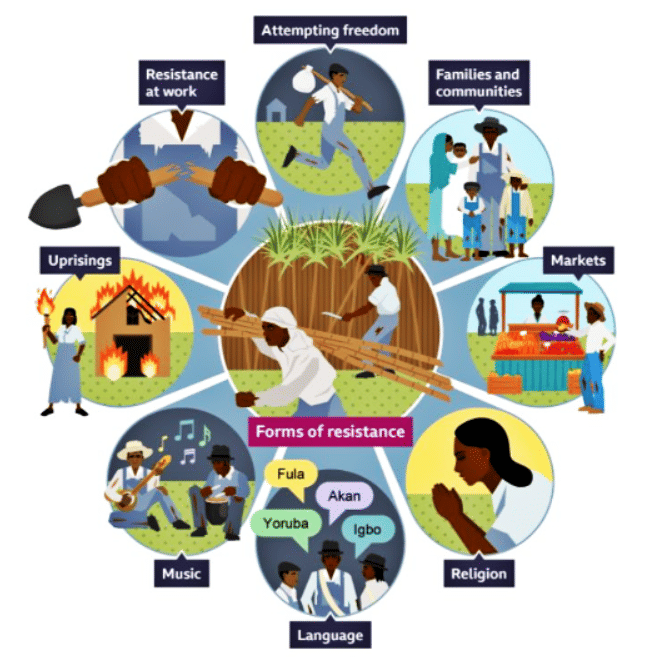
Everyday Resistance
- Enslaved individuals found ways to resist and assert themselves against plantation owners through various means such as deliberately working slowly or damaging tools.
- Resistance encompassed both individual acts and collective efforts.
Resistance at Work
- Enslaved individuals, compelled to endure long hours of arduous labor, displayed resistance by breaking tools or working at a reduced pace.
Seeking Freedom
- Many enslaved individuals attempted to escape the harsh conditions on plantations by running away, risking severe repercussions if caught.
- Escapees often faced challenges such as being branded, making it challenging to evade recapture.
- Plantation owners would offer rewards in newspapers for the return of runaway enslaved individuals.
Families and Communities
- Despite the oppressive environment of plantation life, enslaved communities managed to form familial bonds and communal ties.
- Enslaved people established families even in the face of potential separation by plantation owners.
Religious Practices
- Despite efforts to suppress West African religious beliefs among the enslaved population, many communities continued to observe their faith.
- In Jamaica, traditions like Obeah, associated with spiritual healing and justice, and Vodun, a West African religion, persisted among the enslaved.
- Beliefs in spirits like duppies in Caribbean folklore originated from West African Obeah beliefs related to death.
- British plantation owners enforced their Christian beliefs on enslaved individuals to prevent uprisings. Enslaved individuals were compelled to adopt Christianity, attend Sunday church services, and listen to sermons emphasizing obedience.
- Over time, Christianity combined with African music and culture, giving rise to unique forms of religious expression like praise singing, shouting, and the emergence of the 'Spiritual' musical genre.
Language
- Enslaved individuals in the Americas preserved aspects of their cultures and languages despite attempts by plantation owners to sever these ties.
- The Gullah and Geechee people in the southern United States retained elements of Yoruba from Nigeria and Wolof from regions like Mauritania, Senegal, and the Gambia in their language.
- In Jamaica, words from Nigerian Igbo, such as 'Buckra' to refer to white plantation owners, have been identified.
- Maroon Communities in Jamaica, formed by escaped slaves, spoke Kromanti, a language linked to Akan in West Africa, and developed unique forms of communication over time.
- These communities amalgamated African dialects, broken English, and Spanish into a distinct language.
Music
- Enslaved individuals in the Americas preserved aspects of their cultures and languages despite attempts by plantation owners to sever these ties.
- The Gullah and Geechee people in the southern United States retained elements of Yoruba from Nigeria and Wolof from regions like Mauritania, Senegal, and the Gambia in their language.
- In Jamaica, words from Nigerian Igbo, such as 'Buckra' to refer to white plantation owners, have been identified.
- Maroon Communities in Jamaica, formed by escaped slaves, spoke Kromanti, a language linked to Akan in West Africa, and developed unique forms of communication over time.
- These communities amalgamated African dialects, broken English, and Spanish into a distinct language.
- Traditional African instruments were adapted in the Americas using materials like calabash squashes.
- In the southern states of America, a dance form known as the Juba imitated drumming patterns for communication, similar to practices in cultures like the Yoruba of Nigeria and Asante of Ghana.
- During the Stono Rebellion in South Carolina in 1739, enslaved individuals utilized rhythmic drumming to communicate. Subsequently, drums were banned for enslaved people in 1760 following the rebellion.
- A plaque in South Carolina commemorates the rebels' march towards freedom in Spanish Florida, accompanied by drumming, flag-waving, and cries for freedom.
Markets
- Markets provided enslaved individuals with opportunities to sell goods, earn money, socialize with others from different plantations, share information, and enjoy leisure time away from their captors' watchful eyes.
- Many Caribbean uprisings were connected to efforts by white authorities to control or influence market days, underscoring the significance of these gatherings in people's lives.
Maroon Communities
- In various Caribbean islands, communities known as 'maroons' emerged. These groups consisted of formerly enslaved individuals who had fled captivity and established settlements independent of plantations, often in rugged terrains.
- While Europeans used the term 'maroon' to describe escapees from plantations, African 'maroon communities' identified themselves with different designations, such as "Nyankipong Pickibu," meaning "Children of the Almighty" in Ghanaian culture.
MULTIPLE CHOICE QUESTIONTry yourself: What was the primary objective of the Amelioration Act of 1798?
Survival of Knowledge and Skills
- African techniques for basket weaving were adopted and utilized across the Americas, while surviving quilts crafted by enslaved women in their homes display distinct West African designs and techniques.
- Archaeologists in Nevis and Jamaica have uncovered evidence of African-style pottery near the former dwellings of enslaved individuals. Handcrafted cooking pots, plates, and other pottery items were made using traditional African methods. In Jamaica, yabba pots, which were used for cooking and crafted by enslaved people, are still being produced today.
- African knowledge of herbs and medicinal practices was also brought to the Americas. For instance, Guinea Hen Weed was employed to deter animals from ticks, and bitter cucumbers were boiled down to create tonics.
- Enslaved individuals also applied their agricultural skills to supplement their food supply. They cultivated sweet potatoes, yams, and plantains on their small plots of land during Sundays. Surplus produce, along with pottery, basketry, and quilts, was traded and sold at Sunday markets, providing a means to accumulate savings for purchasing freedom.
Open Rebellions
- After the passing of the 1807 Abolition of the Slave Trade Act, enslaved individuals anticipated their freedom, but the law only prohibited buying and selling people, not granting freedom to those already enslaved.
- Despite the risk of death as punishment, enslaved people frequently rebelled on a large scale to challenge slavery. For instance, in Saint-Domingue, they successfully overthrew the French and established Maroon Communities, which were self-sufficient and independent.
- Various documented cases exist where enslaved individuals resisted and mutinied against authorities during the Middle Passage, the brutal transatlantic voyage of enslaved Africans from Africa to the Americas.
- Between 1699 and 1845, over 50 instances of mutinies were recorded, showcasing the resilience and resistance of those subjected to the horrors of the slave trade.
The Haitian Revolution, 1791-1804
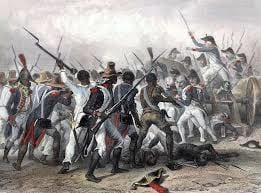
- In 1791, both freed and enslaved African individuals in Saint-Domingue united to combat slavery and French dominance.
- Approximately 20,000 individuals fought against the French, Spanish, and British forces vying for control of Saint-Domingue.
- Their victory led to the establishment of Haiti as a free republic in 1804, marking a significant triumph against oppressive colonial powers.
Bussa's Rebellion, 1816
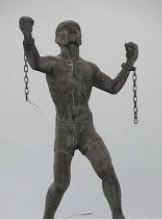
- Partly inspired by the rebellion in Haiti, Bussa's Rebellion in 1816 involved the seizure of a third of Barbados by an uprising led by an enslaved man named Bussa and a woman named Nanny Grigg.
- Despite fierce opposition from British forces, the rebellion was violently quashed. During the conflict, 50 enslaved individuals lost their lives, with a further 70 being executed in the field. Subsequently, 300 enslaved individuals faced trial, leading to the execution of 144 and the deportation of 132 to other islands to forestall future uprisings.
FAQs on The Experiences of Enslaved People
| 1. How did enslaved people arrive in the Americas? |  |
Ans. Enslaved people were forcibly brought to the Americas from Africa through the transatlantic slave trade, where they were sold into slavery on plantations.
| 2. What was life like for enslaved people on plantations? | |
Ans. Enslaved people on plantations lived a harsh and brutal life, enduring long hours of hard labor, poor living conditions, and often facing physical and emotional abuse from their owners.
| 3. What role did Obeah and Vodun play in the lives of enslaved people? | |
Ans. Obeah and Vodun were spiritual practices that provided enslaved people with a sense of identity, community, and resistance against their oppressors on the plantations.
| 4. How did enslaved people preserve their cultural heritage and knowledge despite their harsh living conditions? | |
Ans. Enslaved people in Maroon communities and through music, language, and traditional skills passed down their cultural heritage and knowledge from generation to generation, ensuring its survival.
| 5. What types of work were enslaved people typically forced to do on plantations? | |
Ans. Enslaved people on plantations were often forced to work in the fields picking crops, such as cotton, sugar, and tobacco, as well as performing various other tasks such as cooking, cleaning, and caring for livestock.
About this Document

Apr 20, 2026 Last updated
Related Exams
Document Description: The Experiences of Enslaved People for Year 7 2026 is part of Year 7 preparation. The notes and questions for The Experiences of Enslaved People have been prepared according to the Year 7 exam syllabus. Information about The Experiences of Enslaved People covers topics like and The Experiences of Enslaved People Example, for Year 7 2026 Exam. Find important definitions, questions, notes, meanings, examples, exercises and tests below for The Experiences of Enslaved People.
Introduction of The Experiences of Enslaved People in English is available as part of our Year 7 preparation & The Experiences of Enslaved People in Hindi for Year 7 courses. Download more important topics, notes, lectures and mock test series for Year 7 Exam by signing up for free. Year 7: The Experiences of Enslaved People
Description
The Experiences of Enslaved People of covers all the important topics, helping you prepare for the Year 7 exam on EduRev. Start for free!
Information about The Experiences of Enslaved People
In this doc you can find the meaning of The Experiences of Enslaved People defined & explained in the simplest way possible. Besides explaining types of The Experiences of Enslaved People theory, EduRev gives you an ample number of questions to practice The Experiences of Enslaved People tests, examples and also practice Year 7 tests.
Related Searches
Previous Year Questions with Solutions, shortcuts and tricks, Free, study material, mock tests for examination, Objective type Questions, past year papers, MCQs, Exam, Sample Paper, Important questions, Semester Notes, The Experiences of Enslaved People, Extra Questions, ppt, practice quizzes, The Experiences of Enslaved People, Summary, pdf , Viva Questions, The Experiences of Enslaved People, video lectures;