Our Body and Health

The Human Body and Its Systems
The human body is made up of many parts that work together to keep us alive and healthy. Our body has different systems, each with its own job to do.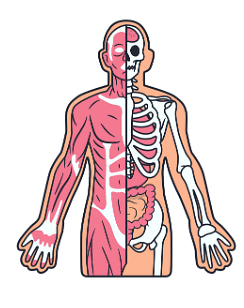
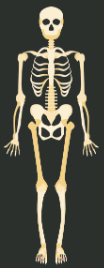
The Skeletal System:
- The skeletal system is like the framework of our body. It includes bones, joints, and cartilage.
- Bones give our body structure and protect our organs.
- Joints help us move by allowing bones to bend and move smoothly.
- Cartilage is a flexible tissue that cushions our joints.
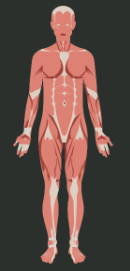
The Muscular System:
- The muscular system is responsible for movement. It includes muscles and tendons.
- Muscles work together with bones to help us move our body parts.
- Tendons are tough bands that connect muscles to bones.
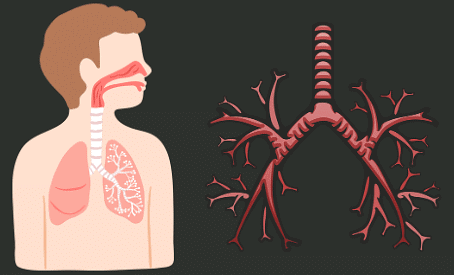
The Respiratory System:
- The respiratory system helps us breathe. It includes the lungs, airways, and diaphragm.
- When we breathe in, air travels through our nose or mouth into the lungs.
- The diaphragm is a muscle that helps us breathe by moving up and down.
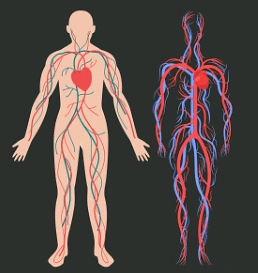
The Circulatory System:
- The circulatory system is like a transportation system for our body. It includes the heart, blood vessels, and blood.
- The heart pumps blood through blood vessels to deliver oxygen and nutrients to all parts of the body.
- Blood carries waste products away from cells and helps fight infections.
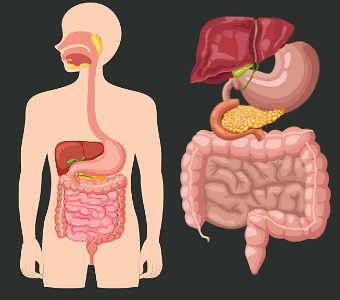
The Digestive System:
- The digestive system helps us break down food and absorb nutrients. It includes the stomach, intestines, and liver.
- Food is broken down into smaller pieces in the stomach and intestines.
- Nutrients from food are absorbed into the bloodstream and used by the body.
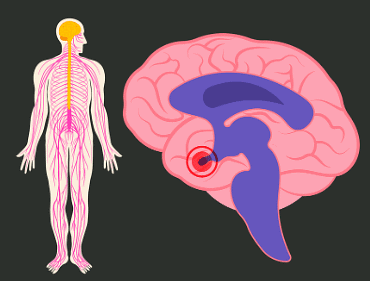
The Nervous System:
- The nervous system controls our body's functions and helps us respond to stimuli. It includes the brain, spinal cord, and nerves.
- The brain is like the command center of the body, sending messages to different parts.
- Nerves carry signals between the brain and the rest of the body.
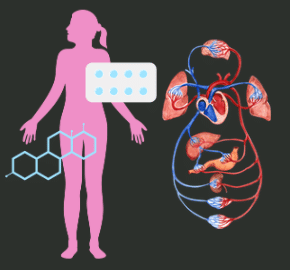
The Endocrine System:
- The endocrine system regulates hormones and helps maintain balance in the body. It includes glands like the pituitary and thyroid glands.
- Hormones are chemical messengers that control functions like growth, metabolism, and mood.
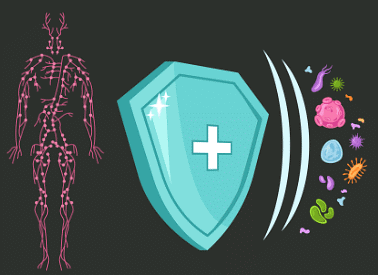
The Immune System:
- The immune system protects our body from harmful germs and diseases. It includes white blood cells, antibodies, and lymph nodes.
- White blood cells fight off infections and viruses.
- Lymph nodes filter out harmful substances and help produce antibodies.
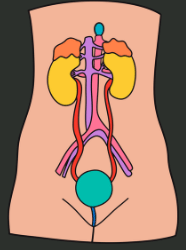
The Excretory System:
- The excretory system removes waste products from the body. It includes the kidneys, bladder, and ureters.
- Kidneys filter blood to remove waste and produce urine.
- Urine is stored in the bladder until it is eliminated from the body.
Healthy Eating and Cooking
Healthy eating is essential for our well-being and overall health. It involves making smart food choices and cooking meals that provide us with the nutrients our bodies need to thrive.
Benefits of Healthy Eating:
- Energy Boost: Eating nutritious foods like fruits, vegetables, whole grains, and lean proteins gives us the energy to stay active throughout the day.
- Stronger Immune System: A balanced diet strengthens our immune system, helping us fight off illnesses and infections.
- Healthy Weight: Choosing healthy foods and portion control helps us maintain a healthy weight, reducing the risk of obesity and related health issues.
- Better Mood: Eating well-balanced meals can improve our mood and mental well-being.
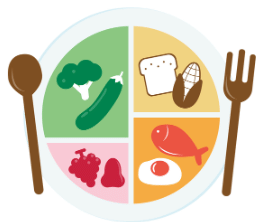
Components of a Balanced Diet:
- Fruits and Vegetables: These provide vitamins, minerals, and fiber essential for good health. Aim to include a variety of colorful fruits and vegetables in your meals.
- Whole Grains: Whole grains like brown rice, whole wheat bread, and oats are rich in fiber and nutrients, promoting digestive health.
- Proteins: Include lean proteins like chicken, fish, beans, and tofu for muscle strength and repair.
- Dairy or Alternatives: Dairy products or fortified alternatives like soy milk provide calcium for strong bones and teeth.
- Healthy Fats: Incorporate sources of healthy fats like avocados, nuts, and olive oil for heart health.
Tips for Healthy Cooking:
- Choose Cooking Methods Wisely: Opt for baking, grilling, steaming, or sautéing instead of deep-frying to reduce the amount of added fats.
- Use Herbs and Spices: Flavor your dishes with herbs and spices instead of excessive salt and sugar.
- Portion Control: Be mindful of portion sizes to avoid overeating.
- Include Variety: Try new recipes and ingredients to keep meals interesting and nutritious.
- Stay Hydrated: Drink plenty of water throughout the day to stay hydrated and support overall health.
How Healthy Eating Affects Us:
- Physical Health: Eating a balanced diet supports physical health by providing essential nutrients for growth, development, and overall well-being.
- Mental Health: Nutritious foods can positively impact our mood, concentration, and cognitive function.
- Long-term Benefits: Adopting healthy eating habits early in life can lead to a lifetime of good health and reduced risk of chronic diseases.
Specialists in Healthcare
Specialists in Healthcare are doctors with advanced training and expertise in specific medical fields who diagnose and treat particular health conditions. They provide specialized care beyond what general practitioners offer, ensuring patients receive targeted treatment for complex issues.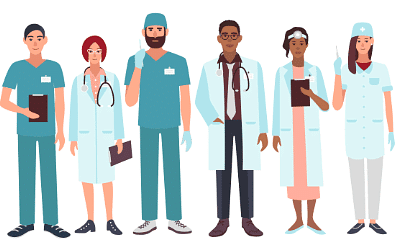
General Practitioner (GP) or Family Doctor
- Role: First point of contact for general health issues.
- Responsibilities: Diagnoses and treats common illnesses, provides preventive care, and refers patients to specialists if needed.
Pediatrician
- Role: Specializes in the health of children from birth to adolescence.
- Responsibilities: Manages physical, behavioral, and mental health issues in children, including vaccinations, growth monitoring, and treating childhood illnesses.
Cardiologist
- Role: Specializes in heart and blood vessel conditions.
- Responsibilities: Diagnoses and treats heart diseases, performs heart-related procedures, and provides advice on heart health.
Dermatologist
- Role: Specializes in skin, hair, and nail conditions.
- Responsibilities: Treats skin diseases, performs skin surgeries, and provides skincare advice.
Orthopedic Surgeon
- Role: Specializes in the musculoskeletal system (bones, joints, muscles).
- Responsibilities: Treats injuries, performs surgeries, and helps patients recover from bone and joint problems.
Neurologist
- Role: Specializes in the nervous system (brain, spinal cord, nerves).
- Responsibilities: Diagnoses and treats neurological disorders like epilepsy, migraines, and Parkinson's disease.
Oncologist
- Role: Specializes in cancer treatment.
- Responsibilities: Diagnoses and treats various types of cancer, manages chemotherapy, and monitors patients' progress.
Psychiatrist
- Role: Specializes in mental health.
- Responsibilities: Diagnoses and treats mental illnesses, prescribes medication, and provides therapy.
Medical Equipment
Medical equipment refers to tools and devices used by healthcare professionals to diagnose, monitor, and treat medical conditions.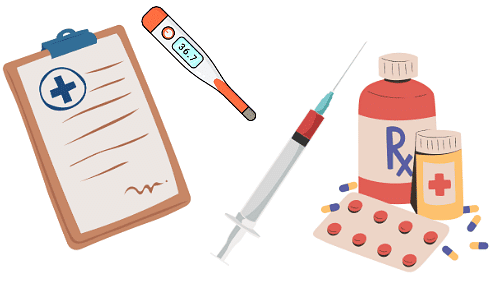 These include items like:
Stethoscope
- Use: Listening to heartbeats and lung sounds.
- Importance: Helps doctors detect heart and lung problems.
Thermometer
- Use: Measuring body temperature.
- Importance: Identifies fever, which can indicate infection or illness.
Blood Pressure Monitor
- Use: Measuring blood pressure.
- Importance: Detects hypertension (high blood pressure) or hypotension (low blood pressure).
Syringe
- Use: Administering injections or drawing blood.
- Importance: Delivers medication directly into the bloodstream.
X-ray Machine
- Use: Taking images of bones and internal organs.
- Importance: Helps diagnose fractures, infections, and diseases.
MRI (Magnetic Resonance Imaging) Machine
- Use: Producing detailed images of the inside of the body.
- Importance: Diagnoses soft tissue injuries, brain disorders, and tumors.
Ultrasound Machine
- Use: Imaging organs and tissues using sound waves.
- Importance: Monitors pregnancies, diagnoses organ conditions, and guides certain medical procedures.
Glucose Meter
- Use: Measuring blood sugar levels.
- Importance: Helps manage diabetes by monitoring glucose levels.
FAQs on Our Body and Health
| 1. What are the main parts of the human skeletal system and what do they do? |  |
| 2. Why do we need different types of teeth and how do they help with digestion? | |
| 3. How does the digestive system break down food and turn it into energy? | |
| 4. What are the differences between arteries and veins, and why does blood need to circulate? | |
| 5. What habits should Class 4 students follow to keep their bones, teeth, and digestive system healthy? | |