MCQ (with Solutions): Comparing Quantities

Q1: A class has 30 girls and 40 boys. What is ratio of number of girls to total students in class?
(a) 3/7
(b) 4/7
(c) 3/4
(d) 4/3

Q2: 40% of group likes tea as a beverage. What is the ratio of people liking tea as a beverage in the group?
(a) 3/7
(b) 2/5
(c) 2/10
(d) 4/3

Q3: Train travels at 45 kmph and bus travels at 30 kmph. What is the ratio of speed of train with respect to bus?
(a) 3/7
(b) 2/5
(c) 3/2
(d) 5/2
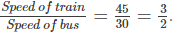
Q4: Train travels at 45 kmph and bus travels at 30 kmph. What is the ratio of speed of bus with respect to train?
(a) 3/7
(b) 2/3
(c) 3/2
(d) 5/2
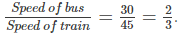
Q5: Rakesh has Rs. 50 and Karan has Rs. 1.5. Find the ratio of money with Rakesh and money with Karan.
(a) 3/100
(b) 100/3
(c) 3/500
(d) 500/2

Q6: Rakesh has Rs. 10 and Karan has 10 paise. Find the ratio of money with Rakesh and money with Karan.
(a) 1/100
(b) 100/1
(c) 10/500
(d) 5/2

Q7: Kiran has Rs. 140 left after using 65% of total money she had on shopping. Find total money with Kiran before shopping.
(a) Rs. 100
(b) Rs. 500
(c) Rs. 350
(d) Rs. 400
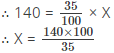
Q8: Ticket to Rameshwar by train is Rs. 1200 and ticket to Delhi is Rs. 900 from Mumbai. What is the ratio of cost to reach Delhi with respect to Rameshwar from Mumbai?
(a) 3/4
(b) 3/5
(c) 4/3
(d) 5/2

Q9: Sam is 78 kg and Sameer is 91 kg. Find the ratio of weight of Sam and Sameer.
(a) 3/7
(b) 7/6
(c) 3/7
(d) 6/7

Q10: Satish has 15 kg sugar and Ray has 250 gm. Find the ratio of sugar with of Satish and Ray.
(a) 3/25
(b) 60/1
(c)1/60
(d) 15/25

FAQs on MCQ (with Solutions): Comparing Quantities
| 1. What is the difference between simple interest and compound interest? |  |
| 2. How can we calculate the amount after a certain period with compound interest? | |
| 3. What is the formula to calculate the compound interest? | |
| 4. How can we compare the prices of two items with different quantities and prices? | |
| 5. Is it better to choose a higher interest rate with simple interest or compound interest? | |