Great Expectations:Characters

- Characters in Great Expectations
- Characters serve as symbolic representations of prevalent societal ideas in Dickens' work. Each character embodies specific concepts reflective of contemporary debates.
- Understanding individual characters is crucial, alongside analyzing how they contrast and compare with others in the novel.
- Dickens employs various strategies to develop characters within Great Expectations, such as:
- Establishing characters
- Presenting characters through physical descriptions, actions, motives, dialogues, and thoughts
- Exploring character interactions and relationships with others
- Character conformity to or subversion of stereotypes
- Physical Appearance and Characteristics
- Pip is described as a young orphan with "a great expectation" who evolves from an innocent boy to a gentleman.
- Estella is portrayed as a beautiful but cold-hearted young woman, raised by Miss Havisham to break men's hearts.
- Miss Havisham is an eccentric and wealthy spinster who wears her wedding dress, symbolizing her desire for revenge after being jilted at the altar.
- Abel Magwitch is a frightening convict who becomes Pip's secret benefactor, revealing unexpected kindness and loyalty.
- Joe Gargery is a kind and simple blacksmith, known for his honesty and loyalty to Pip despite his humble status.
- Mrs. Joe Gargery is Joe's domineering sister, who raises Pip with harshness and criticism.
- Biddy is a kind and intelligent young woman who befriends Pip, offering him support and guidance.
- Actions and Motives
- Pip's actions are often driven by his desire to become a gentleman and win Estella's love, leading him to make choices that affect his relationships.
- Estella's motives are shaped by Miss Havisham's manipulation, causing her to be emotionally distant and to treat Pip with cruelty.
- Miss Havisham's actions are motivated by her desire for revenge against men, using Estella as a tool to carry out her vengeful plans.
- Abel Magwitch's actions are initially driven by survival instincts but later reveal his deep care for Pip through his sacrifices.
- Joe Gargery's motives are rooted in his genuine love and concern for Pip, always putting Pip's well-being above his own.
- Mrs. Joe Gargery's actions stem from her strict and controlling nature, impacting Pip's upbringing and relationship with Joe.
- Biddy's actions are guided by her kindness and wisdom, offering support to Pip and others in their times of need.
- Thoughts and Speech
- Pip's internal struggles and reflections drive the narrative, showcasing his growth and conflicts as he navigates his changing circumstances.
- Estella's thoughts are often masked by her cold demeanor, revealing glimpses of vulnerability and inner turmoil.
- Miss Havisham's thoughts are consumed by thoughts of revenge and the pain of her past betrayal, shaping her interactions with others.
- Abel Magwitch's thoughts reflect his gratitude towards Pip for showing him kindness, despite his rough exterior and criminal past.
- Joe Gargery's thoughts are simple and honest, reflecting his unwavering loyalty and love for Pip throughout the story.
- Mrs. Joe Gargery's thoughts are focused on appearances and social status, influencing her treatment of Pip and Joe.
- Biddy's thoughts are compassionate and insightful, offering valuable perspectives and advice to those around her.
- Interactions with Others
- Pip's interactions with characters like Joe, Estella, and Magwitch shape his development, highlighting themes of ambition, love, and loyalty.
- Estella's interactions with Pip and Miss Havisham reveal the impact of upbringing and environment on one's personality and relationships.
- Miss Havisham's interactions with Pip, Estella, and others showcase her manipulation and the consequences of holding onto past grievances.
- Abel Magwitch's interactions with Pip demonstrate unexpected acts of kindness and sacrifice, challenging stereotypes associated with convicts.
- Joe Gargery's interactions with Pip, Mrs. Joe, and others emphasize the importance of integrity, humility, and unconditional love.
- Mrs. Joe Gargery's interactions with Pip and Joe illustrate the effects of her harshness and control on their relationships and well-being.
- Biddy's interactions with Pip, Joe, and others highlight her role as a source of support, understanding, and wisdom in the story.
- Reputation and Stereotypes
- The characters in "Great Expectations" often subvert stereotypes, such as Magwitch showing kindness despite his criminal past and Biddy exemplifying intelligence and strength beyond societal expectations.
- Pip's journey challenges class stereotypes, showcasing how one's actions and choices can redefine their identity and place in society.
- Estella's character challenges stereotypes of femininity, portraying a woman who is both beautiful and emotionally aloof due to her upbringing.
- Joe Gargery subverts stereotypes of masculinity by embodying qualities of kindness, humility, and emotional depth traditionally not associated with male characters.
- Relationships with Other Characters
- Pip's relationships with characters like Joe, Estella, and Magwitch evolve throughout the story, reflecting themes of love, ambition, and social class.
- Estella's relationships with Pip and Miss Havisham are marked by manipulation, love, and a struggle for personal identity shaped by external influences.
- Miss Havisham's relationships with Pip and Estella reveal the destructive power of revenge and the consequences of holding onto past grievances.
- Joe Gargery's relationships with Pip, Mrs. Joe, and others are defined by loyalty, love, and the challenges of navigating familial dynamics.
- Mrs. Joe Gargery's relationships with Pip and Joe are strained by her controlling nature, highlighting the impact of abuse and neglect on family ties.
- Biddy's relationships with Pip, Joe, and others demonstrate the importance of empathy, support, and genuine connection in fostering personal growth and well-being.
- Characters in Focus
- Compeyson
- Dogle Orlick
- Mr Jaggers
- Herbert Pocket
In any examination response, it's crucial to showcase a deep understanding of characters as deliberate constructs in Dickens' work. Each character serves a specific purpose within the text, reflecting Dickens' intentional design.
For example, let's delve into the character of Magwitch from "Great Expectations." Magwitch's initial appearance at the novel's outset contrasts with his extended absence until his return from Australia. This deliberate absence raises questions about Dickens' narrative choices.
Dickens strategically molds characters to fulfill distinct roles, shaping the narrative's direction and themes.
Character Analysis: Pip from "Great Expectations"
In this analysis, we will delve into the character of Pip from Charles Dickens' novel "Great Expectations."
Background
- Pip is the protagonist of the novel, whose journey from humble beginnings to unexpected fortune forms the central plot.
Personality Traits
- Pip is characterized as sensitive and ambitious, often conflicted by his desires and his sense of duty.
- His moral development is a key theme, as he navigates the complexities of right and wrong.
Character Development
- Initially portrayed as a young boy with dreams of becoming a gentleman, Pip undergoes significant growth throughout the story.
- His interactions with characters like Magwitch and Miss Havisham shape his understanding of class, wealth, and morality.
Challenges Faced
- Pip faces internal conflicts regarding his identity, values, and relationships.
- External challenges, such as societal expectations and financial pressures, also play a significant role in shaping his journey.
Transformation
- As the story progresses, Pip undergoes a transformation in his priorities, realizing the true value of love, loyalty, and integrity.
Conclusion
- Pip's character arc in "Great Expectations" serves as a powerful exploration of personal growth, societal norms, and the complexities of human nature.

- Dickens' Portrayal of Pip's Virtuous Character
- Dickens skillfully introduces Pip's virtuous character at the outset of the novel. The challenging circumstances of Pip's early life profoundly shape his compassionate and empathetic nature.
- Living in a world dominated by adults, Pip finds solace in Joe's affection amidst a backdrop of injustice and hardship. His moral integrity and conscience play pivotal roles in his development.
- Pip's Early Upbringing and Its Influence
- Pip's upbringing under harsh conditions significantly affects his gentle and caring demeanor. He is surrounded by adults and relies heavily on Joe's love and support.
- His inner moral compass is a driving force in his actions and decisions, reflecting a deep sensitivity to right and wrong.
- Encounter with Magwitch and the Internal Conflict
- When confronted by Magwitch in the eerie marshes, Pip is overwhelmed by fear and coerced into agreeing to a theft scheme involving food and a file.
- This dilemma creates a profound internal struggle for Pip as he grapples with loyalty to Magwitch versus loyalty to Joe, his beloved guardian.
- Interestingly, this encounter also triggers an awakening of Pip's innate kindness and compassion, qualities that may have been suppressed in his upbringing under Mrs. Joe's harsh rule.
- Pip's Moral and Spiritual Development
- The pivotal visit to Satis House marks a turning point in Pip's moral and spiritual journey, sparking discontent with his current life and setting him on a path of self-discovery.
- His interactions with Estella and Miss Havisham challenge his innocence and lead him to question his identity and values, particularly his notions of superiority and social standing.
- Pip's transformation into a gentleman symbolizes his evolving aspirations and desires, driven in part by his infatuation with Estella.
- Life as a Gentleman and Its Pitfalls
- Transitioning into a life of luxury as a gentleman, Pip finds himself entangled in a web of recklessness, debt, and disillusionment, which also negatively impacts his friend Herbert Pocket.
- His pursuit of social status and materialistic desires blinds him to the true values of integrity and honesty, leading to a sense of emptiness and dissatisfaction.
- Reconciliation and Moral Redemption
- As the narrative unfolds, Pip undergoes a journey of self-discovery and redemption, shedding his misguided pursuits and rediscovering the compassionate qualities of his youth.
- His realization of the source of his newfound wealth and social status prompts a reevaluation of his values, culminating in a return to his moral roots and a deeper understanding of true virtue.
- Ultimately, Pip's growth as a character sets him apart from many others in the novel, showcasing his capacity for change and maturity throughout the story.
Pip's Internal Moral Conflict
Pip grapples with a profound internal moral dilemma when faced with the choice of honoring his promise to Magwitch or betraying his beloved Joe. This conflict arises from the encounter with the convict, which also catalyzes the awakening of Pip's inherent kindness and empathy, qualities that might have been suppressed by the overpowering influence of Mrs. Joe.
Impact of Satis House Visit
Pip's initial visit to Satis House marks a pivotal moment in his moral and spiritual evolution. This experience seeds discontent within Pip, leading him to swiftly veer away from his moral bearings and to begin losing regard for his caring foster father, Joe.
Shattering of Pip's Innocence by Estella
The meeting between Pip and Estella serves as a turning point where Pip's innocence is shattered. By passively accepting Estella's criticisms and denouncing not just himself but also the influences that have shaped his identity, Pip undergoes a significant transformation.
Pip's Passive Acceptance of Estella's Assessment
By agreeing with Estella's judgment of him, Pip exhibits a passive acceptance of her views. This behavior not only involves self-condemnation but also a critique of the influences that have shaped his character.
Confusion Between Arrogance and Superiority
Upon his initial encounters with Estella and Miss Havisham, Pip confuses arrogance and meanness with superiority. This confusion is fueled by Estella's beauty, triggering an intense admiration that propels Pip towards a pursuit of social status rather than prioritizing honesty and integrity. His once cherished aspiration of becoming an apprentice is now viewed as unworthy.
Obsessive Admiration and Pursuit of Social Status
Estella's beauty sparks an obsessive admiration within Pip, driving his relentless pursuit of social status at the expense of honesty and integrity.
Devaluation of Pip's Previous Aspirations
Pip's desire to become an apprentice, a dream that was valued by both himself and Joe, is now deemed as lacking in worth or significance as he becomes increasingly enamored with the idea of being a gentleman.
Pip's Pursuit of Gentility for Estella's Approval
Pip intensely longs to adopt the mannerisms and conduct of a gentleman in order to prove himself worthy of Estella's regard. By the end of Volume I, Pip's dream of becoming a gentleman is realized, contributing to the story's fairy-tale essence.
- Pip's Evolution as a Gentleman
- At the conclusion of Volume I, Pip's long-held aspiration of becoming a gentleman is finally realized, lending a fairy-tale quality to the narrative. This transition marks a significant turning point in Pip's character development.
- Consequences of Pip's Gentlemanly Lifestyle in Volume II
- In Volume II, Pip's life as a gentleman leads him down a path of recklessness and extravagance, resulting in mounting debts, emotional turmoil, and a pervasive sense of aimlessness. This lavish lifestyle not only affects Pip negatively but also casts a shadow on his close friend, Herbert Pocket, previously portrayed as a virtuous character.
- Pip's Ambition, Delusion, and Discontent
- Pip's character is marked by a blend of aspiration, ambition, and delusion. His relentless pursuit of material success and social recognition engulfs him in a cycle of discontent and dissatisfaction. Notably, his infatuation with Estella plays a pivotal role in shaping his emotional landscape and priorities.
Character Development of Pip in Charles Dickens' "Great Expectations"
Throughout the novel "Great Expectations" by Charles Dickens, the protagonist Pip undergoes a profound transformation influenced by his interactions with various characters and his pursuit of social status. Here are the key aspects of Pip's character development:
Obsession with Materialism and Social Recognition
- Initially, Pip becomes fixated on materialistic pursuits and the desire for social recognition.
- This obsession leads him to experience discontent and dissatisfaction, particularly in his infatuation with Estella.
Moral Failings of the Upper-Class Society
- Dickens uses Pip's misjudgments and behavior to highlight the moral failings prevalent in the upper-class society he aspires to be a part of.
Reconnection with Childhood Affectionate Qualities
- By the conclusion of the story, Pip rediscovers his innate affectionate qualities that he possessed as a child.
Impact of Revelations and Realizations
- When Pip learns the true source of his wealth from Magwitch, his perception of himself and his social position is drastically altered.
- This revelation sets off a chain of events that challenges Pip's beliefs and values.
Transformation through Relationships
- Initially repulsed by Magwitch, Pip's feelings evolve into a deep sense of devotion towards him, symbolizing a significant shift in his character.
| Original Information | Paraphrased Explanation |
|---|---|
| Pip embraces Miss Havisham's world until Magwitch reveals the source of Pip's wealth: This revelation leads to a chain of events that shakes Pip's convictions. | Initially drawn into Miss Havisham's world, Pip's beliefs are shaken when he discovers the origins of his wealth through Magwitch, causing a transformative series of events. |
| Ultimately, Pip is only able to regain the moral values he held as a child once he realizes that his elevated rank as a gentleman is based on the riches of a former convict. | It is only when Pip recognizes that his social standing as a gentleman is built on a convict's fortune that he can reclaim the moral values he cherished in his youth. |
Pip's Character Development in Charles Dickens' Novel
Pip, the protagonist in Charles Dickens' novel, undergoes a profound transformation throughout the narrative. Let's delve into the key aspects of Pip's character evolution:
Initial Rejection and Later Devotion to Magwitch
- Initially, Pip is repulsed by Magwitch, but over time, he develops deep feelings of loyalty and devotion towards him.
Struggle with Social Class Expectations
- Pip's aspirations for a higher social status become unsustainable in the eyes of the upper class, challenging his identity and ambitions.
Moral Growth and Compass
Pip's moral compass guides his actions, particularly in Volume III, where he demonstrates:
- Kindness towards Magwitch
- Secretly supporting Herbert's advancement
- Forgiveness towards Miss Havisham
- Reconciliation with Joe and Biddy
Symbolism of Pip's Name
Pip's spiritual, emotional, and intellectual progress mirrors the symbolism of his name, signifying growth and evolution like a seed:
- Unlike most characters who remain static, Pip's ability to develop and mature throughout the story is distinctive.
- Pip's Development in "Great Expectations"
- Pip stands out in the novel due to his capacity for growth and maturity, a quality that sets him apart from the static nature of many other characters.
- While characters like Miss Havisham and Joe remain relatively unchanged throughout the narrative, Pip undergoes significant personal development.
- Initially portrayed as a humble orphan boy, Pip experiences a transformation in his social status and personal values as the story progresses.
- His encounters with individuals across different social classes, such as Estella and Magwitch, shape his perspectives and contribute to his evolving character.
- Through his mistakes, experiences, and reflections, Pip learns valuable lessons about love, ambition, and the true nature of happiness.
- By the end of the novel, Pip emerges as a mature and self-aware individual, demonstrating the impact of his transformative journey.
- Estella in "Great Expectations"
- Estella serves as a pivotal character in "Great Expectations," influencing Pip's development and perceptions throughout the story.
- As the adopted daughter of Miss Havisham, Estella is raised to be cold, distant, and detached from emotional connections.
- Her interactions with Pip are characterized by cruelty and indifference, shaping his romantic ideals and aspirations.
- Estella symbolizes the unattainable and the elusive in Pip's life, driving his desire for social elevation and personal transformation.
- Despite her harsh demeanor, Estella's own background and upbringing under Miss Havisham's influence reveal a tragic narrative of her own.
- Estella's complexity as a character lies in her struggle for identity amidst Miss Havisham's manipulative schemes and her own internal conflicts.

- Estella's Social Status and Personality:
- Despite originating from socially inferior parents, Estella ascends to the highest echelons of upper-class society.
- Upon encountering Estella at Satis House, Pip's viewpoint undergoes a significant shift towards discomfort and dissatisfaction. Estella embodies traits of condescension, cruelty, pride, and arrogance.
- Estella remains predominantly under the influence of Miss Havisham throughout the narrative.
- Her emotional complexities stem from Miss Havisham's harsh experiment, leading Estella to obediently mirror her mentor's directives, adopting an indifferent attitude towards her fate and that of others.
- Estella's Relationship with Pip and Self-Perception:
- Estella holds a significant presence in Pip's thoughts even during her physical absence from his life.
- She forms a bond with Pip, striving to protect him from the suffering she anticipates for others.
- Estella firmly believes that love is an unattainable pursuit and consistently advises Pip against pursuing her romantically.
- Despite Miss Havisham's efforts to mold Estella into a cold and disdainful individual, there are moments where Estella's sympathetic nature shines through, indicating her victimization by others' schemes.
- Estella's Evolution and Maturation:
- Estella experiences significant growth following her tumultuous marriage to Drummle, which compels her to mature beyond her previous self.
- Through her struggles and hardships, Estella undergoes emotional and spiritual development, gaining an understanding of emotions such as love, forgiveness, and regret.
- Her challenging experiences lead to a profound shift in her character, culminating in her expressing regret for rejecting Pip's affections by the novel's conclusion.
- Estella's development exemplifies a central sentimental theme in the novel: the harm inflicted on children when adults pursue self-serving agendas without regard for the consequences.
- Reunion and Resolution:
- It is only after Miss Havisham's passing that Estella and Pip can reunite, suggesting a potential resolution to their complex relationship.
Estella's Role in "Great Expectations"
- Disappearance from Pip's Life: Estella vanishes from Pip's life for an unspecified duration, creating mystery and distance in their relationship. This absence adds complexity to their bond and influences the narrative's development.
- Confidant and Friend to Pip: Despite her enigmatic nature, Estella becomes close to Pip, sharing her inner thoughts and attempting to shield him from the pain she plans for others. This dynamic showcases a deeper layer to her character beyond her cold exterior.
- Unattainable Love Beliefs: Estella firmly believes that love is beyond reach, leading her to discourage Pip's affections and reject his advances. This belief system shapes her interactions with Pip and underscores her internal conflicts.
- Tragic Victim of Miss Havisham: Miss Havisham's vengeful obsession molds Estella into a cold and distant individual. Despite this, there is a tragic element to Estella as even Miss Havisham, her creator, is startled by the consequences of her own actions, reproaching Estella for her demeanor.
- Sympathetic Characterization: Dickens portrays Estella as a sympathetic character, revealing her as a victim of circumstances similar to Pip. Despite her icy facade, there is a depth to her character that elicits empathy from readers.
- Character Analysis: Estella in "Great Expectations"
- Estella shares similarities with Pip as she also falls victim to another person's manipulative schemes.
- Despite ultimately breaking free from Miss Havisham's influence, she does so through a tragic marriage to Drummle, displaying a sense of self-destructiveness in her pursuit of someone as harsh as him.
- Estella's initial emotional aloofness and lack of empathy are apparent, yet Drummle's mistreatment of her elicits sympathy from readers and humanizes her character.
- Her marriage to Drummle initiates significant personal growth, pushing her to mature beyond her previous self. This transformation leads her to recognize the value of Pip's affection, positioning her as a more suitable companion for him.
- Character Development of Estella in "Great Expectations"
- Estella's Growth and Transformation
- Through her personal struggles, Estella undergoes emotional and spiritual development.
- She learns to value emotions such as love, forgiveness, and regret.
- Her journey highlights the importance of confronting hardships for personal growth.
- Impact of Harsh Experiences
- Estella's difficult past profoundly shapes her character.
- By the novel's conclusion, she expresses regret for spurning Pip's affection.
- Themes in Estella's Story
- Estella's narrative exemplifies a key theme in "Great Expectations": the damaging effects of adult actions on children.
- It underscores how neglect and personal agendas can harm the vulnerable.
Understanding How Adults Can Harm Children by Prioritizing Their Own Agenda
The Role of Miss Havisham in "Great Expectations"Miss Havisham plays a crucial role in Charles Dickens' novel "Great Expectations."
The Impact of Miss Havisham's Demise on Pip and EstellaIt is only after Miss Havisham's death that significant changes occur in the lives of Pip and Estella.
ConclusionIt is essential for adults to consider the impact of their actions on children and prioritize their well-being over personal agendas. In literature, characters like Miss Havisham serve as cautionary tales, illustrating the destructive consequences of holding onto negative emotions and seeking revenge. | 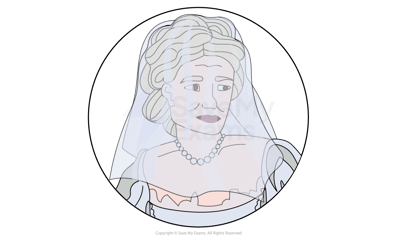 |
Miss Havisham's Character Analysis
Impact of Abandonment on Miss Havisham
Miss Havisham's devastation after being abandoned by Compeyson profoundly shapes her character. Her bitter experience in love drives her to a vengeful path, leading her to try to harm everything around her. Despite her perceived power to inflict destruction, she ends up suffering more than anyone else due to her actions.
Retribution and Manipulation
Miss Havisham's mind becomes consumed with thoughts of revenge, using Estella as a tool for her vindication. She instills in Estella a warped sense of values centered on cruelty and manipulation, shaping her protege in her own distorted image.
Distorted Reality
Miss Havisham skillfully distorts and controls details with precision, particularly seen in how she manipulates Pip's lack of knowledge about his expectations. She uses Pip as a target for Estella's cruelty and to provoke her own greedy relatives.
Surreal Portrayal
Pip perceives both Miss Havisham and Magwitch as almost otherworldly beings, emphasized through their settings and appearances. Magwitch is depicted in the eerie churchyard, while Miss Havisham is surrounded by her decaying wedding attire, enhancing the surreal nature of their characters.
Stagnation in Time
Miss Havisham's decision to keep all her clocks stopped symbolizes her inability to move beyond her past. Her room, frozen in time, mirrors her own stagnation in life and her refusal to accept reality, showcasing her profound emotional paralysis.
Complex Character Traits
Despite her irrational responses stemming from her emotional injury, Miss Havisham is depicted as sophisticated and astute. She shows discernment in identifying flattery, displays kindness towards Pip and Joe, supports Herbert financially, yet excludes Pumblechook from her life.
Gradual Revelation of Motives
Throughout the novel, Dickens slowly unveils the reasons behind Miss Havisham's behavior, evoking more pity for her character. Her eventual redemption is depicted through her remorse for her actions and her attempts to make amends for the harm she caused, especially towards Estella and Pip.
- Character Analysis: Miss Havisham's Influence on Pip
- Miss Havisham instills in her protégé a distorted moral compass focused on cruelty and manipulation.
- She manipulates Pip's ignorance about the source of his expectations, using him as a pawn for Estella's mistreatment and her own family's greed.
- Pip views both Miss Havisham and Magwitch as ethereal figures, evident in their surroundings and appearances.
- Magwitch is portrayed in the churchyard, while Miss Havisham is depicted amidst her decaying bridal garments.
Motifs in Great Expectations
- Portrayal of Setting and Characters:
Magwitch in the churchyard and Miss Havisham surrounded by her faded wedding attire serve as powerful visual motifs in Great Expectations, symbolizing themes of decay, stagnation, and emotional imprisonment.
- Symbolism of Stopped Clocks:
Miss Havisham's choice to halt all her clocks symbolizes her inability to progress beyond the past. Her room, frozen in time, reflects her emotional stagnation and refusal to confront reality, showcasing her arrested development and emotional wounds.
- Character Complexity:
Despite her eccentricities and trauma-induced behaviors, Miss Havisham exhibits a blend of sophistication and insight. She can see through flattery, displays kindness to Pip and Joe, provides financial support to Herbert, and deliberately distances herself from negative influences like Pumblechook.
Character Analysis of Miss Havisham in "Great Expectations"
- Ability to Discern True Intentions: Miss Havisham possesses a unique ability to see through the flattery of others, distinguishing genuine motives from deceitful ones.
- Kindness towards Pip and Joe: She displays acts of kindness towards Pip and Joe, showcasing a compassionate side amidst her complex character.
- Generous Support for Herbert: Miss Havisham generously supports Herbert financially, emphasizing her capacity for benevolence despite her own tragic circumstances.
- Exclusion of Pumblechook: She purposefully excludes Pumblechook from her life, suggesting a deliberate choice in her social interactions.
Redemption and Remorse
- Gradual Unveiling of Havisham's Motivations: Through the novel, Charles Dickens slowly reveals the reasons behind Miss Havisham's actions, painting her in a more pitiable light as her past is unveiled.
- Miss Havisham's Redemption Journey: Her eventual redemption is depicted through her remorse for past actions and her efforts to rectify the wrongs she has committed, showcasing a character arc of growth and reflection.
- Acceptance of Guilt: When confronted by Pip about the consequences of her actions, Miss Havisham explains herself without seeking justification, ultimately seeking forgiveness and grappling with the weight of her past deeds.
- Perception of Consequences: Havisham comes to understand the negative impact of her choices, recognizing the sadness in Estella and the shattered dreams of Pip, leading to a deep sense of anguish and regret.
- Miss Havisham's Realization of Guilt:
In the final chapters of the novel, Miss Havisham experiences a profound sense of anguish and remorse for the harm she unwittingly inflicted on Estella and Pip. She comes to terms with the consequences of her actions and the devastation caused by her manipulation of their lives.
- Recognition of Consequences:
Miss Havisham finally grasps the negative impact of her choices, particularly in relation to Estella's unhappiness and Pip's shattered dreams. This realization marks a significant moment of self-awareness and regret for her past behavior.
Abel Magwitch

- Introduction to Magwitch
- Magwitch is initially depicted as a menacing criminal and an escaped convict, characterized by his intimidating presence with an iron on his leg and ragged appearance.
- His introduction underscores the harshness and brutality of Pip's environment, blending with the untamed landscape where he emerges.
- Despite his rough exterior and capacity for violence, Magwitch's character evolves beyond mere aggression.
- Magwitch's Transformation
- Dickens strategically alters the reader's perception of Magwitch by revealing his vulnerable side and showcasing his gratitude towards Pip's help.
- Although Magwitch fades from Pip's direct life, his influence persists, haunting Pip throughout the narrative.
- His past experiences, particularly being deceived by Compeyson, evoke empathy and shed light on the injustices he has faced.
- Magwitch's Benevolence
- Despite seeking vengeance against those who wronged him, Magwitch displays a genuine desire to benefit Pip, his young helper on the marshes.
- He becomes Pip's benefactor, illustrating his intention to do good, although he fails to foresee the potential negative consequences of his actions.
- Over time, Magwitch's affection for Pip deepens, appreciating Pip for his intrinsic qualities rather than his transformation into a gentleman.
- Social Commentary on the Legal System
- Dickens uses Magwitch's character to critique the 19th-century legal system, highlighting how it could exploit individuals from lower social classes lacking education.
- Magwitch's story exemplifies the pitfalls of a system that fails to protect the vulnerable and instead perpetuates injustices against them.
Magwitch's Lingering Impact on Pip
Magwitch quickly fades from Pip's direct life in Dickens' novel, yet his memory persists as a haunting presence throughout the storyline. This haunting effect underscores the lasting influence individuals can have on each other, even when physically apart.
Magwitch's Motivation for Exposing Compeyson
Despite Magwitch's inherent generosity, his deep-seated belief in the injustice of his mistreatment propels him to reveal Compeyson's true character. The realization of how Compeyson exploited him ignites a simple desire for vengeance. This desire, however, seems more about accountability than self-interest.
Magwitch's Harsh Life and Betrayals
Magwitch's life has been marked by a lack of advantages and repeated betrayals of trust by others. Dickens gradually unveils the harsh realities of Magwitch's existence, including his relationship with Estella's mother and how he was deceived by Compeyson. These revelations evoke profound empathy for Magwitch, showcasing the hardships he endured.
- Character Analysis of Magwitch in Great Expectations
- Charles Dickens intricately unveils the complexities of Magwitch's character by gradually exposing the harsh realities of his life.
- The details surrounding his past with Estella's mother and his betrayal by Compeyson evoke deep empathy from the readers towards him.
- Despite harboring feelings of vengeance towards those who wronged him, Magwitch authentically desires to improve the life of the child, Pip, who assisted him in the marshes.
- Becoming Pip's benefactor signifies Magwitch's underlying goodwill, although he fails to foresee the potential repercussions of bestowing his "great expectations" upon Pip.
- As the story progresses, Magwitch's affection for Pip evolves, valuing Pip for his intrinsic qualities and actions rather than simply transforming him into a gentleman.
- Through Magwitch's character, Dickens effectively critiques the exploitative nature of the 19th-century legal system, particularly its impact on uneducated individuals from lower social strata.
Character Analysis: Joe Gargery from "Great Expectations"
- Introduction: Joe Gargery is a key character in Charles Dickens' novel "Great Expectations." He is portrayed as a kind and humble blacksmith, married to Pip's sister, Mrs. Joe.
- Personality Traits:
- Kindness: Joe is known for his gentle and compassionate nature. Despite the harsh treatment he receives, especially from Mrs. Joe, he remains patient and understanding.
- Humility: He is a humble character who does not seek recognition or wealth. Joe finds joy in simple pleasures and values love and loyalty above material gain.
- Forgiveness: Throughout the story, Joe demonstrates a remarkable capacity for forgiveness, even towards those who mistreat him.
- Relationship with Pip: Joe's relationship with Pip is central to the novel. He acts as a father figure to Pip, providing love, support, and guidance, especially in contrast to Pip's experiences with other characters like Miss Havisham and Estella.
- Symbolism:
- Blacksmithing: Joe's profession as a blacksmith symbolizes strength, resilience, and honesty. His work reflects his character, sturdy and dependable.
- Homely Atmosphere: Joe's home, the forge, represents a safe haven for Pip, where he finds comfort and stability amidst the chaos of his changing circumstances.
- Impact on Pip's Development: Joe's positive influence on Pip's character development is significant. He instills values of kindness, humility, and forgiveness in Pip, shaping him into a better person.
Image of Joe Gargery |
Joe's Characterization
- Joe is depicted as a gentle, kind-hearted, and simple individual, embodying virtues of gentleness, kindness, and benevolence.
- His physical stature symbolizes his moral character, emphasizing his inherent goodness.
- Joe displays unwavering loyalty and commitment to Pip, seen in his heartfelt declaration: "Look'ee here, Pip. I'm your second father. You're my son - more to me nor any son."
- He stands in stark contrast to characters like Mrs. Joe and Uncle Pumblechook, serving as a moral benchmark for Pip with his humility, kindness, and understanding.
- Despite his lack of social skills and education, Joe's immense moral qualities establish him as a moral standard in the story.
Joe's Role in Protecting Pip
- Initially, both Pip and Joe are at the mercy of Mrs. Joe's temper, with Joe's gentle nature somewhat limiting his ability to shield Pip from her outbursts.
- There's a suggestion that Joe may tolerate his wife's behavior to avoid replicating his father's mistakes, but Dickens leaves it open for interpretation regarding the seriousness of this weakness in Joe's character.
- Throughout the narrative, Joe evolves into what Pip recognizes as a "gentle Christian man" with a remarkable nature, showcasing his growth and development.
- Character Analysis of Joe Gargery in "Great Expectations"
- Joe's Moral Influence on PipJoe's humility, kindness, and understanding act as a guiding light for Pip during challenging times. His character sets a moral standard for Pip to aspire to.
- Joe's Demeanor and InteractionsDespite his soft-spoken nature, Joe emanates grace and respect, contrasting sharply with the bombastic speeches of characters like Wopsle and Pumblechook. He avoids insincere individuals, choosing instead to embody kindness, charity, and forgiveness. His simplicity and language inject humor into the narrative.
- Joe's Contentment as a BlacksmithAs a skilled blacksmith, Joe finds fulfillment in his societal role. He takes pride in his craftsmanship and lacks ambition for social advancement. Dickens symbolically links Joe with the forge and fire, emphasizing his rootedness and satisfaction in his trade.
- Exploring Dickens' Symbolism of Fire and Forge Charles Dickens intricately weaves symbolism of fire and forge throughout the narrative, symbolizing transformation, purification, and the forging of character.
- Joe: A Character Study At the start of the story, Joe is depicted as nearly illiterate, lacking sophistication due to his limited education. Despite this, his outstanding moral character sets him apart as a beacon of virtue against whom other characters are judged.
- Joe and Pip's Vulnerability Initially, both Pip and Joe are portrayed as vulnerable victims of Mrs. Joe's volatile temperament, highlighting the challenges they face within their family dynamic.
- Joe's Complex Nature Joe's gentle and caring nature is contrasted with his inability to shield Pip from Mrs. Joe's outbursts, possibly stemming from a fear of repeating his father's mistakes. Dickens allows readers to interpret the seriousness of this shortcoming within Joe's otherwise endearing character.
Joe's Character Complexity in "Great Expectations"
Joe, in Dickens' "Great Expectations," exhibits a dual nature that involves both strength and weakness in his relationships. One aspect of Joe's character suggests that he tolerates his wife out of a fear of emulating his father's past behavior of mistreating his spouse. This ambivalence in Joe's demeanor adds depth to his character, leaving readers to ponder the significance of this dynamic within his personality.Internal Conflict and Character Growth
Moreover, Dickens deliberately leaves room for interpretation regarding the gravity of Joe's weakness when it comes to protecting Pip. This ambiguity invites readers to analyze Joe's actions and motivations, contributing to the complexity of his character.Joe's Evolution and Virtues
As the narrative unfolds, Joe undergoes significant development, transforming into what Pip acknowledges as a "gentle Christian man" with a "great nature." This evolution showcases Joe's capacity for personal growth and highlights his admirable qualities, adding richness to his portrayal within the story.
Character Analysis: Mrs Joe Gargery from "Great Expectations"
- Pip's sister, Mrs Joe Gargery, is depicted as physically unattractive and characterized by a harsh demeanor.
- She is described as "not a good-looking woman" with a "hard and heavy hand."
- Mrs Joe is portrayed as a dominating figure who openly expresses discontent with her societal position.
- Her actions are driven by a sense of self-importance, leading to suffering for both Pip and Joe.
- She exhibits a well-known bad temper, often directing it towards Pip and Joe, both physically and emotionally.
- Her harsh attitude and behavior create a hostile environment for Pip and Joe.
- Mrs Joe's approach to raising Pip involves excessive physical discipline, which is described as brutal and cruel.
- This harsh treatment does not foster Pip's mental and emotional growth; instead, it leaves him feeling guilty and insecure.

- Effects of Negative Influence on Development: When an individual is exposed to negative influences, such as those that hinder the development of their mind and spirit, it can lead to increased feelings of guilt and insecurity. This can impact their overall well-being and growth.
- Character Impact in Literature: In literary works, characters like the one described whose foul temper leads to their untimely demise can play crucial roles in the narrative. For instance, their presence may serve to bring other characters together, fostering unity and character development among them.
- Biddy in "Great Expectations": In the novel "Great Expectations," the character Biddy holds significance in the storyline. She is portrayed as a key figure whose actions and interactions contribute to the development of other characters like Pip, Joe, and Biddy herself.
Biddy in "Great Expectations"
Biddy's character in Charles Dickens' "Great Expectations" plays a pivotal role in the story, influencing various aspects of the narrative and the characters involved. Despite her humble beginnings, Biddy emerges as a character of depth and importance.
- Supportive Influence: Biddy's presence serves as a source of support and guidance for Pip, the protagonist of the novel. Through her kindness and wisdom, she helps him navigate challenges and make important life decisions.
- Symbol of Stability: Biddy represents stability and groundedness amidst the turmoil and uncertainties that characterize Pip's journey. Her presence offers a sense of constancy and reliability in his ever-changing life.
- Contrast to Other Characters: Unlike certain characters in the novel who exhibit negative traits or behaviors, Biddy stands out as a beacon of positivity and virtue. Her contrast with such characters highlights her moral strength and resilience.
- Emotional Impact: Biddy's interactions with Pip, Joe, and other characters evoke a range of emotions in readers. From moments of warmth and friendship to instances of conflict and resolution, her character adds emotional depth to the narrative.
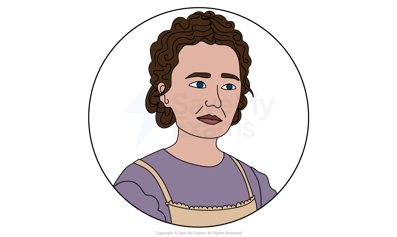
Biddy in "Great Expectations"
- Throughout the narrative, Biddy acts as a guiding moral force for Pip, consistently disapproving of his misguided decisions.
- She plays a pivotal role in Pip's education, teaching him how to read and assuming the role of his confidante, promising, "I shall always tell you everything."
- Offering a deep understanding of Pip's inner struggles, Biddy demonstrates wisdom and insight into his character development.
- Biddy is portrayed as a pragmatic figure with a clear vision, in stark contrast to Pip's dreamy nature, often oblivious to harsh realities.
- Through her dedication and perseverance, Biddy transforms into an educated woman, a respected schoolmistress, a nurturing mother, and a model wife. Her contentment with modest achievements stands in sharp contrast to Pip's unrealistic dreams.
| Key Points |
|---|
| Throughout the novel, Biddy serves as a moral compass for Pip. |
| She teaches Pip to read and becomes his confidante, pledging transparency in their relationship. |
| Biddy showcases astute perception regarding Pip's challenges and evolution. |
| Her pragmatic nature contrasts with Pip's idealistic tendencies, highlighting their differing perspectives. |
| Through hard work, Biddy achieves personal growth, becoming an accomplished woman content with her achievements. |
Character Analysis: Biddy in "Great Expectations"
Biddy's Modest Ambitions
Biddy is portrayed as a character who is content with her modest ambitions. Unlike Pip, who harbors unrealistic aspirations, Biddy focuses on self-improvement and seizes every opportunity for personal growth.
Biddy as a Contrast to Estella
Charles Dickens uses Biddy as a point of contrast to Estella in the novel. While Estella is depicted as beautiful but cold, Biddy is described as not beautiful but pleasant and wholesome. This juxtaposition highlights the different qualities and values represented by the two characters.
Biddy's Compassion and Caregiving
Biddy demonstrates her compassionate nature through her role as a caregiver for Mrs. Joe. After Mrs. Joe's passing, Biddy's responsibilities initially lead her to leave the forge. However, this event ultimately enables her to marry Joe, showcasing how her caring nature shapes her life and relationships.
Paraphrasing of Minor Characters Information
Compeyson
- Compeyson is depicted as a mysterious and deceitful figure who is proficient in carrying out malicious acts. He causes harm to several characters in the story, including Miss Havisham, Arthur, Magwitch, Estella, and Pip. Charles Dickens hints at the presence of other unidentified victims of his crimes as well.
- His character is characterized by a constant fear of potential retaliation from Magwitch. Despite making only a few appearances in the narrative, Compeyson's impact is significant, particularly during his encounters on the marshes and his eventual drowning.
Dolge Orlick
- Dolge Orlick is portrayed as a malevolent and treacherous character in the novel. He represents a threat to the well-being of various individuals, most notably to Pip.
- One significant instance of his malicious nature is his attack on Mrs. Joe, which ultimately leads to her incapacitation. This event serves as a pivotal moment in the story, highlighting Orlick's capacity for violence and his lack of remorse.
- Despite his minor role in the grand scheme of the narrative, Dolge Orlick's actions have lasting repercussions, showcasing the pervasive influence of even seemingly insignificant characters in the story.

Character Analysis: Dogle Orlick
- Orlick's portrayal in the novel embodies a complex blend of simplicity and wickedness, utilizing his cunning to engage in criminal activities.
- Despite his cruelty, Orlick primarily directs his harm towards Mrs. Joe. Interestingly, his malevolent actions inadvertently lead to the union of Joe and Biddy.
- Orlick's association with Compeyson culminates in their joint theft of Pumblechook's possessions, resulting in Orlick's subsequent imprisonment.
Role of Orlick in "Great Expectations"
- Orlick, a character of stark simplicity and malevolence, demonstrates the interplay between cunning and criminality in the narrative.
- His vindictive nature surfaces primarily in his actions towards Mrs. Joe, yet the repercussions of his deeds extend beyond his intentions.
- Orlick's collaboration with Compeyson showcases a darker side, culminating in the theft of Pumblechook's estate and ultimately leading to his own downfall.
Significance of Orlick's Actions
- Orlick's strategic malevolence highlights the intricate dynamics of character motivations in Dickens' storytelling.
- His role in indirectly influencing the relationships between Joe and Biddy underscores the unintended consequences that ripple through the narrative.
- The parallel between Orlick's actions and their repercussions serves as a poignant reminder of the interconnectedness of characters and events within the novel.
Orlick's Downfall and Imprisonment
- Orlick's alliance with Compeyson ultimately leads to his own undoing, as their joint criminal activities result in his arrest and subsequent imprisonment.
- This pivotal event in Orlick's storyline serves as a cautionary tale about the consequences of succumbing to malevolent influences.
- Jaggers in "Great Expectations"
- Jaggers is depicted as a highly proficient and effective lawyer, renowned for his merciless and competent nature.
- He is deeply immersed in a realm characterized by secrecy, authority, and manipulation. Jaggers tends to shroud his vulnerabilities, opting instead for a harsh and domineering legal demeanor.
- Despite his tough exterior, Jaggers unveils a more compassionate side of his persona when his involvement in Estella's adoption and assistance to Magwitch come to light.

Herbert Pocket
Herbert Pocket, a character from "Great Expectations," serves as a significant figure in Pip's life. He is a cheerful and amiable young man who befriends Pip during their time together in London. Herbert is described as:
- A loyal and steadfast friend to Pip, providing support and guidance throughout their adventures.
- An embodiment of generosity and kindness, always ready to assist those in need.
- A character who symbolizes the importance of genuine friendship and loyalty in a world marked by social class distinctions and ambition.
Herbert's positive influence on Pip helps him navigate the complexities of society and relationships, highlighting the value of compassion and companionship in Dickens' narrative.
Herbert Pocket in "Great Expectations"
- Herbert portrays a warm and cheerful demeanor, characterized by honesty and openness.
- He serves as a crucial connection to both Pip's and Miss Havisham's past, contributing significantly to the narrative.
- Herbert's unwavering loyalty to Pip is evident when he rescues Pip from Orlick's dangers and actively aids in the plan to save Magwitch.
- He empathizes with Pip's tumultuous romantic entanglement with Estella. Notably, his own content and loving relationship with Clara starkly contrasts Pip's turbulent emotions towards Estella.
Herbert's Role in "Great Expectations"
Herbert Pocket, a pivotal character in Charles Dickens' novel "Great Expectations," embodies several key qualities and plays crucial roles in the lives of other characters, particularly Pip. Here's a detailed breakdown of Herbert's significance and contributions:
1. Friendly and Joyful Disposition
Herbert's amiable and cheerful nature sets him apart in the story, creating a welcoming presence for Pip and others around him. His sincerity and openness make him a trustworthy and reliable companion for Pip throughout their shared experiences.
2. Link to the Past
As a link to Pip's and Miss Havisham's past, Herbert's presence adds depth to the narrative. His connections and insights help unravel hidden aspects of Pip's history and the tangled web of relationships in the story.
3. Loyalty and Bravery
Herbert's loyalty shines through in critical moments, such as when he saves Pip from dangerous situations and actively participates in risky endeavors to help others, like the daring rescue of Magwitch. His courage and commitment to his friends underscore his admirable character.
4. Contrast in Relationships
Herbert's own romantic and personal life, especially his positive and fulfilling relationship with Clara, offers a stark contrast to Pip's complex and often painful feelings for Estella. This sharp juxtaposition highlights the different forms of love and companionship experienced by the characters, enriching the novel's thematic exploration of relationships and emotions.
Download notes on Great Expectations: Characters
 Download notes on Great Expectations: Characters