Detailed Summary: Spices that Heal Us

Key Points of the Chapter
- The chapter is written as a letter from a grandmother (Daadi) to her grandchildren, Vikram and Vaibhavi.
- Daadi shares personal stories about how she learned simple home remedies from her grandmother and passed them down through the family.
- Common kitchen spices such as turmeric, fenugreek, cumin, ginger, etc., are highlighted.
- The chapter encourages the grandchildren to remember these remedies and share them with others.
- The tone is warm and caring, showing love and teaching important lessons.
Detailed Summary
Daadi writes to Vikram and Vaibhavi after learning from their message that they are feeling better. She is pleased that the natural remedies she suggested have helped their health. Her letter is full of warmth, care and the feeling of family. She remembers how, as a child, she was taught these remedies by her own grandmother and how such knowledge has been passed down from one generation to another.
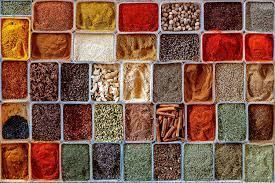
Daadi begins by talking about turmeric (called haldi in many Indian homes). She explains that turmeric can help boost energy, support digestion and ease body pains. Turmeric is a common golden spice found in most kitchens and has many traditional uses for general health.
She then describes how she uses fenugreek (methi) seeds. To look after her health and keep her sugar levels and body weight steady, she soaks fenugreek seeds overnight and drinks the water first thing in the morning. This simple habit, she says, helped her stay healthy over the years.
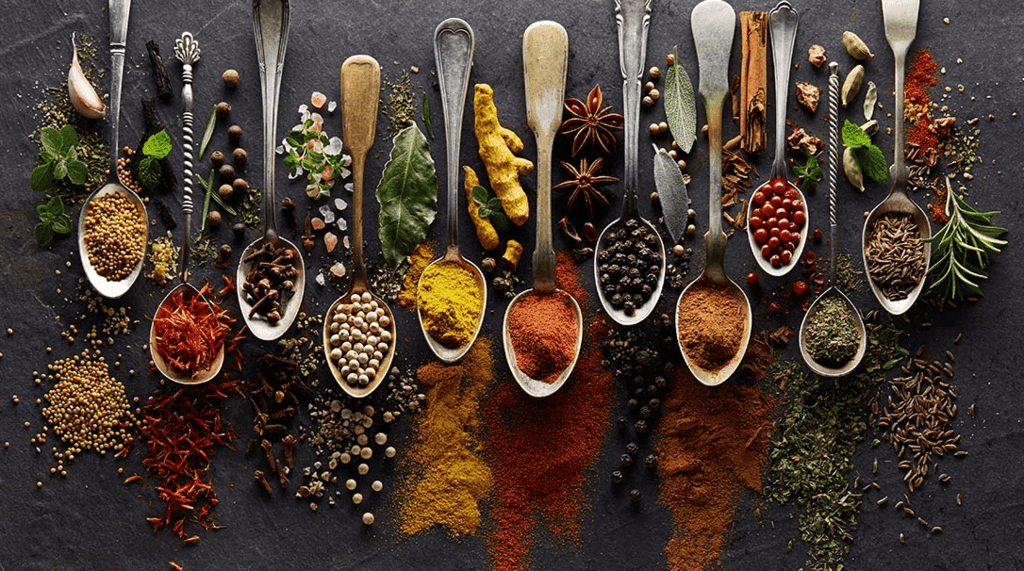
Daadi also speaks of cumin (jeera) seeds. She soaks cumin seeds overnight in water and drinks the water to improve digestion and to help with sleeplessness. She remembers using asafoetida (heeng) mixed in warm water to cure stomach problems when Vikram and Vaibhavi were babies. She adds that a small amount of asafoetida is also used traditionally to help with coughs and colds.
For a toothache, Daadi suggests cinnamon (dalchini) and clove (laung) as natural, temporary ways to ease pain. She praises ginger (adrak) and reminds them that ginger has been used for over 4,000 years in cooking and medicine, especially for coughs, colds and pain relief.
Daadi mentions other kitchen spices such as black pepper (kali mirch), fennel (saunf), ajwain (carom seeds) and cardamom (elaichi). She explains that these spices help digestion and have other traditional benefits: black pepper is known in the family for helping ease pain, fennel and ajwain help digestion, and cardamom can help with breathing problems.
In her closing words, Daadi sends her love and blessings to Vikram and Vaibhavi. The letter is not only a list of remedies but also a message about the strong bond between generations and how practical wisdom and care are passed down as precious gifts.
Try yourself: Which spice mentioned in the letter is recommended for toothaches?
Theme and Message
Theme
The chapter emphasises the special bond between grandparents and grandchildren and shows how wisdom and traditional knowledge are passed down through families. It highlights the value of simple, natural remedies found in everyday kitchen spices and their role in keeping us healthy.
Message
We can learn a great deal from our elders because they have many years of experience. Simple natural remedies using common spices can help with everyday problems, but it is important to consult elders or a doctor before using them. The chapter teaches respect for family knowledge and encourages sharing useful, safe practices across generations.
Difficult Words
- Asafoetida: A strong-smelling resin used in cooking and traditional medicine.
- Remedy: A treatment for an illness or problem.
- Cure: A method or medicine that heals a disease or condition.
- Fenugreek: A plant (methi) whose seeds are used in cooking and medicine.
- Cumin: An aromatic spice (jeera) used in cooking and for digestion.
- Saunf: Fennel seeds used as a spice and digestive aid.
- Ajwain: Carom seeds used in cooking and for stomach problems.
- Dalchini: Cinnamon, a fragrant tree bark used as a spice.
- Kali Mirch: Black pepper, a pungent spice used for flavour and traditional remedies.
- Elaichi: Cardamom, an aromatic spice often used to aid digestion and breathing.
- Adrak: Ginger, a root used in cooking and medicine.
- Natural: Existing in nature; not made by humans.
- Remedies: Treatments for illness or problems.
- Wisdom: Good judgment from knowledge and experience.
- Extensively: Covering a large area or range; widely.
FAQs on Detailed Summary: Spices that Heal Us
| 1. What are the main healing spices mentioned in the chapter and how do they help our body? |  |
| 2. Why did ancient Indian civilisations value spices for healing purposes? | |
| 3. Which spices are most effective for treating common digestive problems in daily life? | |
| 4. How do spices used in cooking differ from medicinal spice extracts in treating health conditions? | |
| 5. What are the key anti-inflammatory and antioxidant properties that make spices beneficial for Class 6 students to understand? | |