Detailed Summary and Important Words: Yoga - A Way of Life

Key Points of the Story
- Yoga is an ancient practice that originated in India, aiming to create a harmonious connection between the mind and body.
- The Yoga Sutras of Patanjali were composed by Sage Patanjali to provide guidance on yoga practices.
- Yoga has gained immense popularity worldwide due to its numerous health benefits, including: Physical fitness, Pain relief, Stress reduction, Improved sleep, Enhanced focus, Boosted immune system, Better heart health, Weight loss, Overall well-being
- Various initiatives have been undertaken to promote yoga globally, emphasizing its health benefits.
- For an authentic yoga experience, it is crucial to align the body, breath, and awareness.
Detailed Summary
Yoga is a practice that helps people look after both their bodies and minds. It is not only about bending and stretching; it also helps in calming the mind and improving how we feel inside. The word "Yoga" comes from the Sanskrit word "yuj", which means to join or to unite. This idea of joining refers to bringing the body and mind together so they work in harmony. Yoga also helps us feel connected to the world around us.
The ideas of classical yoga were written down long ago by the sage Patanjali in a short text called the Yoga Sutras of Patanjali. In this work, Patanjali explains how yoga helps to steady the mind and reduce distractions so a person can think more clearly and feel calmer. Because of these benefits, many people from different countries have taken up yoga as part of their daily life.
Yoga includes three main kinds of practice that work together:
- Asanas - physical postures or positions that strengthen and increase the flexibility of the body. Examples of simple asanas are the Tree Pose (Vrikshasana) and Tadasana (Mountain Pose).
- Pranayama - breathing techniques that control and calm the breath. Practising slow, deep breathing helps reduce stress and improves focus.
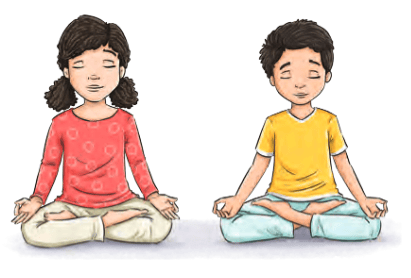
- Meditation - practices that train the mind to be calm and attentive. Even a few minutes of simple meditation helps reduce anxiety and improve concentration.
When we combine asanas, pranayama and meditation, the practice benefits both body and mind. Regular yoga makes muscles stronger and more flexible, which helps reduce pain in areas like the lower back. It also improves blood circulation, which is important for a healthy heart and better overall health. These physical improvements can help with weight control because moving the body uses energy and burns calories.
Mental benefits of yoga are equally important. Learning to breathe properly and to be aware of the present moment reduces stress and makes it easier to sleep. When the mind is calm, concentration and memory improve, which can help in studies and everyday tasks.
Some important benefits of yoga include increased strength and flexibility, relief from pain, lower stress and anxiety, improved sleep, better focus, stronger immunity, healthier circulation and heart function, aided weight management, and general well-being.

On 20 June 2021 the World Health Organization (WHO) launched an app called WHO myoga. This app offers easy-to-follow videos and audio guides for practising yoga. It is designed to be simple, free to use and useful for people everywhere who want to start or continue yoga.
How to Begin and Practice Safely
Anyone can start practising yoga at any age. There are no fixed rules about when to begin. However, to get the best benefits and to practise safely, remember three points:
- Bring your body into correct positions slowly and without force.
- Match your movements with steady, calm breathing so breath and posture move together.
- Keep your awareness on how your body feels and on your breath rather than letting the mind wander.
For example, to try a simple breathing exercise, sit comfortably and breathe in slowly through the nose, filling the belly, then breathe out slowly through the nose. Repeat this for a few minutes while paying attention to the breath. This simple practice helps reduce stress and improves focus.
To try a simple asana, stand straight with feet together and slowly shift weight on to one leg while placing the other foot on the standing leg's calf or thigh (not on the knee). Raise both hands overhead and balance. This Tree Pose helps improve balance, leg strength and concentration. Always stop if you feel pain, and practise with a teacher if you are unsure.
Theme/Message
Yoga stands out as a valuable practice to keep the body and the mind healthy.
Theme:
The chapter highlights how yoga brings unity between the mind and body, helping them work together in harmony. It also shows how yoga is practised and recognized all over the world for its many benefits. Yoga is not just about exercise; it supports overall well-being by keeping us physically strong, mentally calm, and emotionally happyMessage:
Yoga helps our mind and body work together, making us feel strong, calm, and happy. People all over the world practice yoga because it is helpful for everyone, no matter where they live. By doing yoga, we can stay healthy, feel less stressed, and find balance in our body, mind, and spirit.Difficult Words
- Yoga: A practice that includes physical postures, breathing techniques, and meditation.
- Sanskrit: An ancient language of India, in which many religious texts are written.
- Unity: The state of being one or together, not separated.
- Asanas: The physical postures or positions used in yoga practice.
- Meditation: A practice of focusing the mind to achieve a mentally clear and emotionally calm state.
- Mindfulness: The quality of being aware and present in the moment.
- Holistic: Considering the whole person, including physical, mental, and social factors.
- Well-being: A state of being comfortable, healthy, or happy.
- Patanjali: An ancient sage who is credited with writing the foundational texts of yoga.
- Distractions: Things that prevent someone from concentrating or focusing.
- Awareness: The state of being conscious of something and understanding it.
- Circulation: The movement of blood through the body, which is important for health.
- Endurance: The ability to withstand difficult conditions or to last for a long time.
- Flexibility: The ability to bend easily without breaking, important for physical movements.
- Stress: A feeling of emotional or physical tension, often caused by challenging situations.
FAQs on Detailed Summary and Important Words: Yoga - A Way of Life
| 1. What is the main purpose of yoga in daily life? |  |
| 2. How does yoga benefit our physical health? | |
| 3. Can yoga help reduce stress and anxiety? | |
| 4. What are some basic yoga poses suitable for beginners? | |
| 5. How often should one practice yoga to see benefits? | |