Chapter Notes: Food we eat

Introduction
Do you know that the food we eat becomes a part of our body? And how nutrients help to grow our body. The chapter "Food We Eat" explains the importance of a balanced diet. It highlights different types of food, their tastes, and how they are prepared in various seasons.
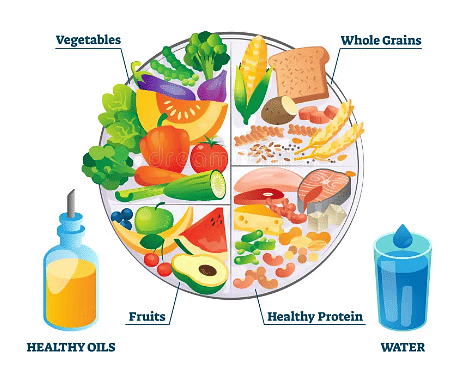
The story of Shirin, helps us to learn why eating a variety of healthy and homemade food is important for our mind and body. The importance of water is also explained.
Explanation
Story of Shirin - The Runner
Shirin was a fast runner and wanted to improve even more. She met a champion runner who told her that to become stronger and faster, she needed to eat a variety of foods. Shirin started eating different vegetables, fruits, grains, and nuts. She practised hard and soon became even faster and healthier and won a medal for her school.
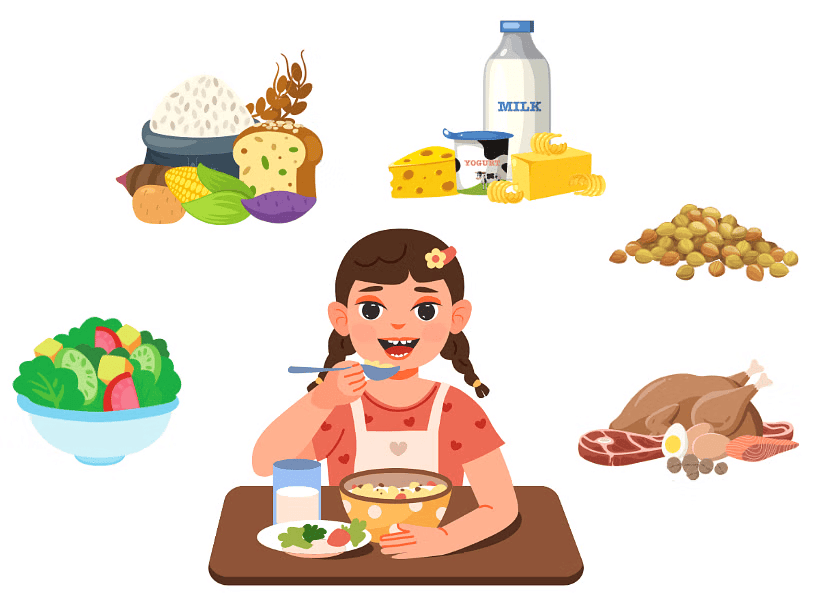
Different foods are important because they give us the energy and nutrients we need to stay healthy.
Chhappan bhog
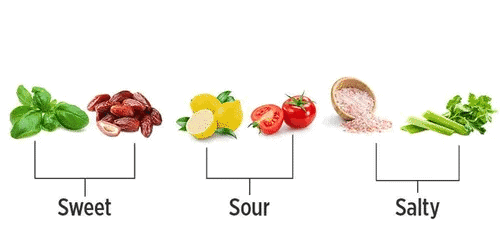
Chhappan bhog is a special meal made during festivals to celebrate with friends and family. It includes 56 varieties of foods that combine six different tastes: sweet (meetha), spicy (teekha), astringent (kasaila), sour (khatta), salty (namkeen), and bitter (karva).
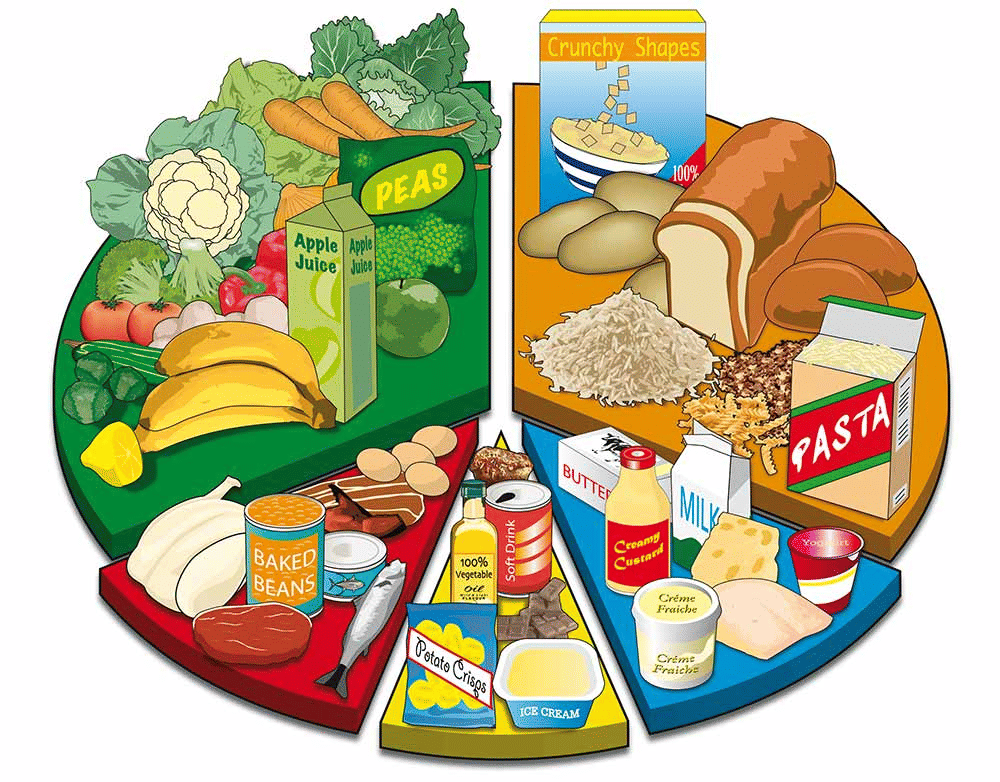
We Eat Different Things
Elders in our family cook different foods during summer and winter.
In different seasons, we eat different kinds of food. For example:
In Summer, the weather is hot, we sweat a lot and when we sweat we lose water from our bodies. That is why we like to eat ice creams and cool drinks like Aam Panna, nimbu pani (lemonade) and tender coconut water. 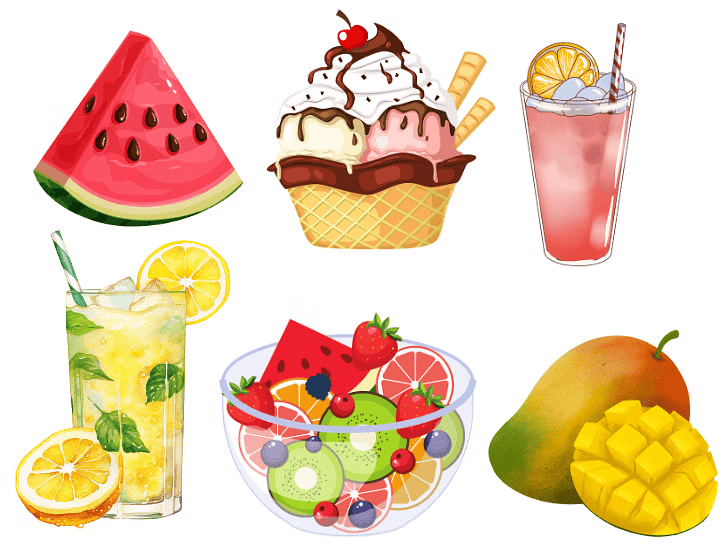
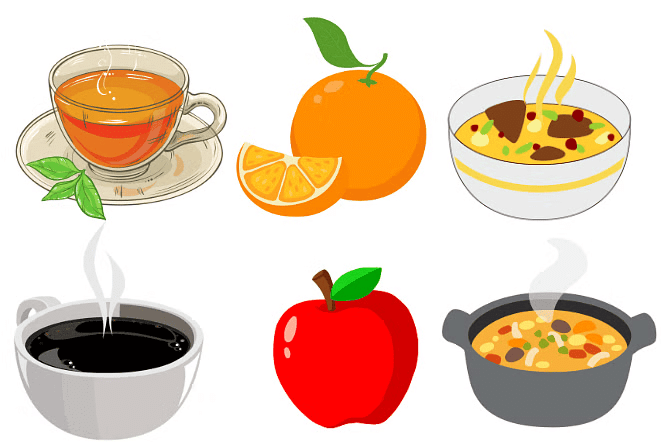
In Winter, the weather is cold, and we feel the need to stay warm. To keep ourselves warm, we like to eat warm food such as soups, and stews, and drink hot drinks like tea or hot chocolate. These foods help keep our body warm and give us energy during the cold days.
How often do you drink water?
- Our body needs a lot of water. we cannot live without water.
- That's why we also say 'Water is life.'

Have you ever wondered where the food on your plate comes from?
Food comes from various sources including plants and animals. Let's take a fun journey to discover the origins of our favorite foods!
Points To Remember
- Eating a variety of food is important for staying healthy.
- A balanced diet includes fruits, vegetables, grains, pulses, and nuts.
- Water is essential for life, especially during hot seasons.
- Different foods are eaten during different seasons.
- Sharing food brings happiness and is a way to show kindness.
Difficult Words
- Balanced Diet - A variety of foods that provide the nutrients needed for good health.
- Nutrients - Substances in food that help our body grow and stay healthy.
- Stew - A dish made by cooking food slowly in liquid.
- Pulses - Edible seeds like beans, lentils, and peas.
- Aam Panna - A refreshing drink made from raw mangoes.
- Soup - A liquid food made by boiling vegetables, meat, or fish.
Eating a variety of foods helps us stay strong and healthy. Just like Shirin, we should try to eat different kinds of foods to get all the nutrients our bodies need. Enjoy the different foods in each season, and remember, a balanced diet is key to a healthy body and mind.
FAQs on Chapter Notes: Food we eat
| 1. What are the different types of food we eat and why do we need them? |  |
| 2. How do we know which foods are healthy and which ones we should eat less of? | |
| 3. Why is eating a variety of different foods important for our body? | |
| 4. What happens inside our body when we eat food and how does it become energy? | |
| 5. Which foods grow in India and why should we eat seasonal and local produce? | |