CBSE Class 6  >  Class 6 Notes  >  Science  >  Worksheet: Mindful Eating: A Path to a Healthy Body - 1

Worksheet: Mindful Eating: A Path to a Healthy Body - 1

Multiple Choice Questions (MCQs)

Q1: Which nutrient is the primary source of energy for the body?
(a)
Proteins
(b) Fats
(c) Carbohydrates
(d) Vitamins

Q2: Which traditional food is commonly consumed in Punjab?
(a) 
Idli
(b) Makki di roti
(c) Eromba
(d) Dosa

Q3: What is the main benefit of millets?
(a)
They are high in sugar.
(b) They help manage diabetes.
(c) They contain no nutrients.
(d) They are only cultivated in winter.

Q4: Which of the following is a source of Vitamin C?
(a) 
Milk
(b) Oranges
(c) Wheat
(d) Rice

Q5: What does a balanced diet include?
(a) 
Only carbohydrates
(b) A variety of nutrients
(c) Only fruits and vegetables
(d) Only proteins and fats

Fill in the Blanks

Q1: The traditional food in Karnataka includes __________ and Dosa.

Q2: __________ are rich in dietary fibers and are essential for digestion.

Q3: The primary function of fats in the body is to provide __________.

Q4: __________ is a deficiency disease caused by lack of Vitamin C.

Q5: The distance food travels from the farm to the consumer is known as ______________.

True or False

Q1: A healthy diet includes only fruits and vegetables.

Q2: Millets are easy to cultivate and highly nutritious.

Q3: Protein helps in the absorption of vitamins.

Q4: Cooking methods have not changed significantly over time.

Q5: Laddoos are traditionally eaten in winter for extra energy.

Match the Following
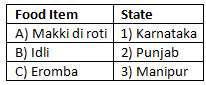
Match the Following

You can access the solutions to this worksheet here.

The document Worksheet: Mindful Eating: A Path to a Healthy Body - 1 is a part of the Class 6 Course Science for Class 6.
All you need of Class 6 at this link: Class 6

FAQs on Worksheet: Mindful Eating: A Path to a Healthy Body - 1

1. What does mindful eating actually mean and how is it different from just eating food?
Ans. Mindful eating means paying full attention to the eating experience-noticing colours, smells, tastes, and textures while eating slowly. Unlike regular eating where students rush through meals distracted by screens, mindful eating practices involve being completely present, chewing thoroughly, and recognising hunger and fullness signals. This conscious approach helps develop healthier eating habits and better digestion for Class 6 students.
2. Why do I feel tired after eating even though I had lunch at school?
Ans. Tiredness after meals often occurs due to rapid blood sugar spikes followed by drops, poor food choices lacking balanced nutrition, or eating too quickly without proper chewing. Mindful eating addresses this by encouraging students to select nutrient-dense foods-proteins, whole grains, and vegetables-and eat slowly so the body properly digests food. This stable energy release prevents post-meal fatigue and maintains focus during afternoon classes.
3. How can I tell if I'm really hungry or just bored when I want to snack?
Ans. True physical hunger develops gradually with stomach signals like growling, whereas boredom-driven cravings appear suddenly and target specific foods. Mindful eating teaches students to pause before snacking and ask: "Am I physically hungry or emotionally seeking comfort?" Drinking water, waiting 15 minutes, or engaging in an activity helps distinguish genuine hunger. This awareness prevents unnecessary calories and builds self-regulation skills essential for healthy body development.
4. What are the best eating habits for maintaining a healthy body as a Class 6 student?
Ans. Healthy eating habits include eating balanced meals with proteins, carbohydrates, fats, and micronutrients; drinking adequate water; chewing food thoroughly; eating at regular intervals; and avoiding processed foods high in sugar and salt. Mindful eating practices emphasise sitting down for meals without distractions, listening to hunger-fullness cues, and choosing whole foods over packaged snacks. These habits prevent obesity, improve concentration, and support physical growth during adolescence.
5. Can eating too fast actually cause weight gain and digestive problems?
Ans. Yes-eating rapidly prevents the brain from receiving fullness signals (which take 20 minutes to register), leading to overeating and weight gain. Fast eating also reduces chewing, forcing the stomach to work harder and causing bloating, indigestion, and poor nutrient absorption. Mindful eating practices slow consumption, allowing proper digestion, better nutrient uptake, and natural satiety signals. This supports a healthy body by preventing digestive discomfort and unnecessary weight gain in growing students.
Explore Courses for Class 6 exam
Get EduRev Notes directly in your Google search
Related Searches
Free, Exam, ppt, pdf , mock tests for examination, past year papers, shortcuts and tricks, Semester Notes, Worksheet: Mindful Eating: A Path to a Healthy Body - 1, Extra Questions, Important questions, Objective type Questions, Sample Paper, practice quizzes, Viva Questions, MCQs, Summary, video lectures, Worksheet: Mindful Eating: A Path to a Healthy Body - 1, Previous Year Questions with Solutions, study material, Worksheet: Mindful Eating: A Path to a Healthy Body - 1;