CBSE Class 6  >  Class 6 Notes  >  Social Studies  >  Very Short Question Answers: Unity in Diversity, or 'Many in the One'

Very Short Question Answers: Unity in Diversity, or 'Many in the One'

Q1: What mode of transportation showcases diverse landscapes in India?
Ans: 
Train

Q2: Name one staple grain commonly used across India.
Ans:
Rice

Q3: Which traditional garment is widely worn by women in India?
Ans:
Sari

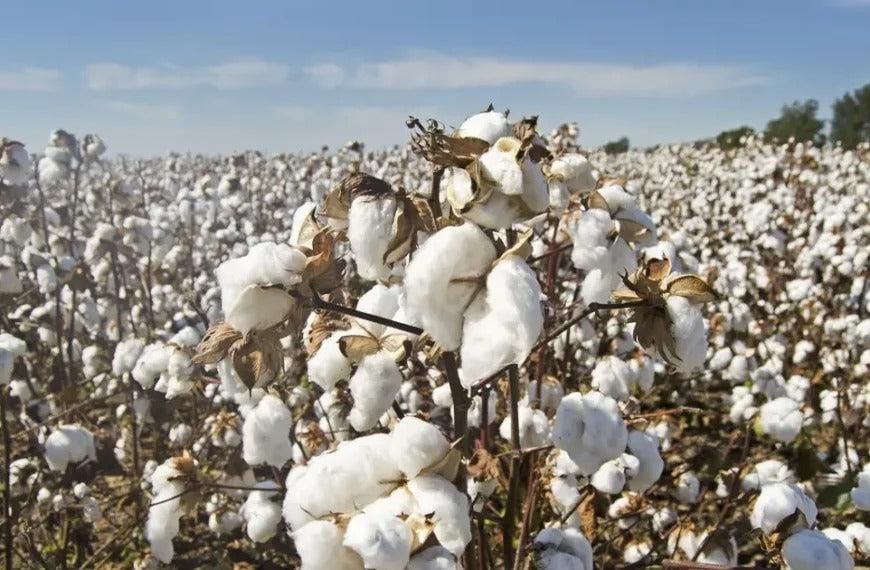
Q4: What is the primary material used to make traditional saris?
Ans: 
CottonVery Short Question Answers: Unity in Diversity, or `Many in the One`
Q5: What does the festival of Makara Sankranti signify?
Ans: 
Harvest season

Q6: Which ancient collection of stories teaches life lessons through animal characters?
Ans:
Panchatantra

Q7: How many languages were identified in the People of India project?
Ans: 
325

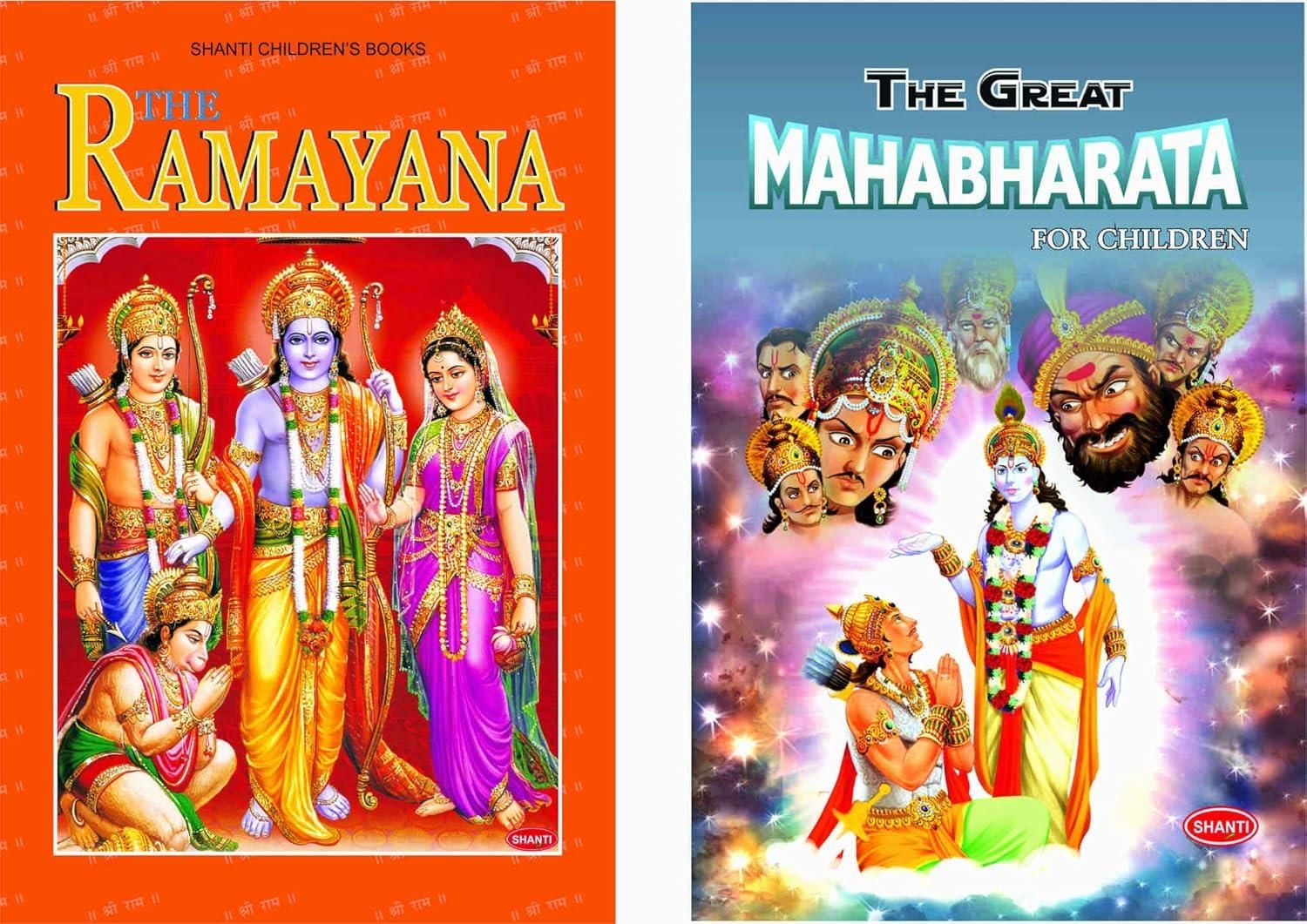
Q8: What are the two great Indian epics?
Ans:
Ramayana and MahabharataVery Short Question Answers: Unity in Diversity, or `Many in the One`
Q9: What type of fabric was banned in Europe to protect local industries?
Ans:
Chintz

Q10: Name one of the main pulses commonly used in Indian diets.
Ans: 
Dal

Q11: Which silk sari is known for its intricate designs from Banaras?
Ans:
Banarasi

Q12: What is the significance of the term 'unity in diversity' in Indian culture?
Ans:
Celebrates diversity while maintaining unity.

Q13: What is the primary function of the sari beyond being a dress?
Ans: 
Versatile garment for various uses.

Q14: Which epic narrates the story of the Pandavas reclaiming their kingdom?
Ans: 
Mahabharata

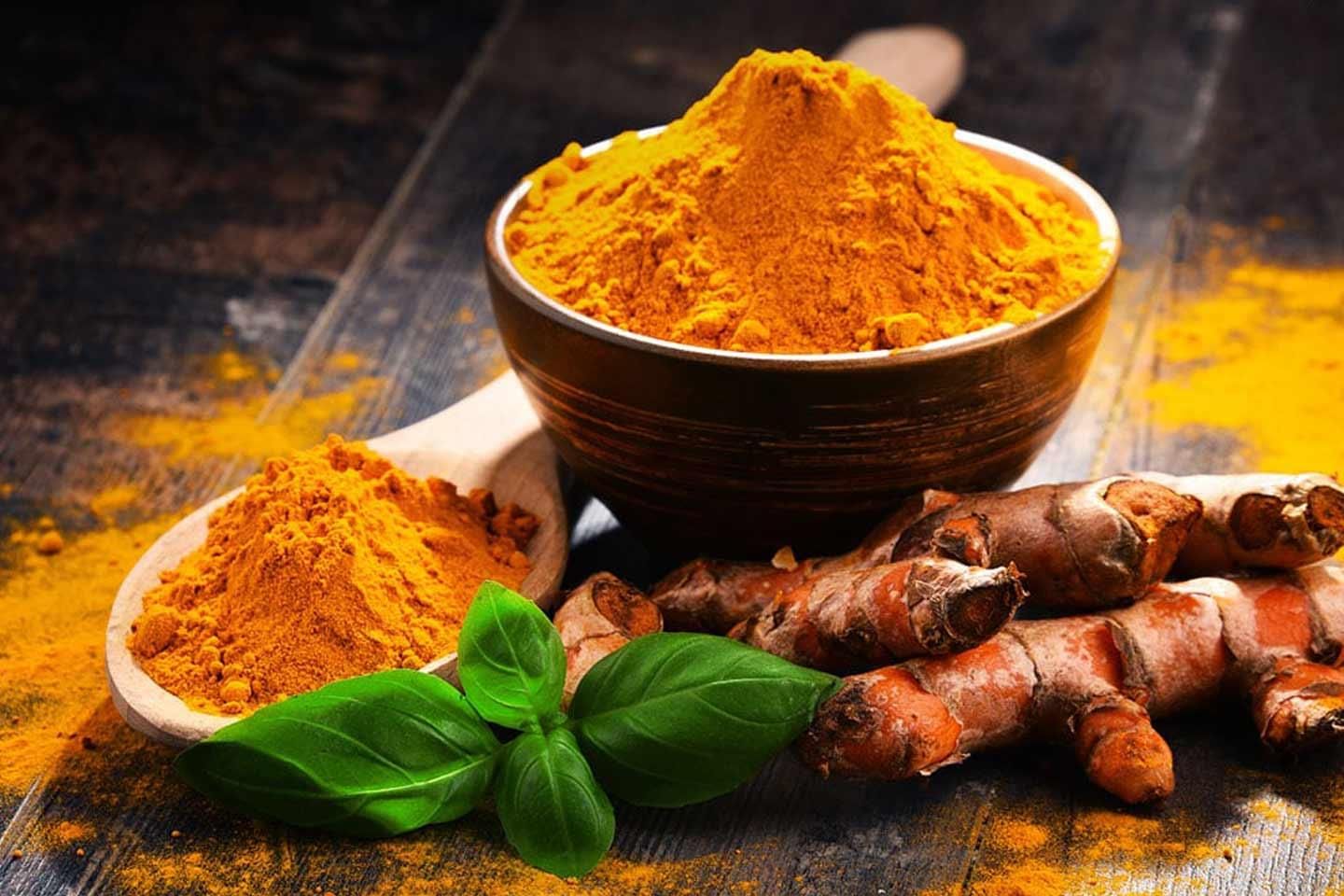
Q15: What common spice is widely used in Indian cooking?
Ans: 
TurmericVery Short Question Answers: Unity in Diversity, or `Many in the One`
Q16: How long would the Mahabharata be if written in full?
Ans: 
About 7,000 pages

Q17: What is the main theme of the Panchatantra stories?
Ans: 
Life lessons

Q18: Which material has a rich history in Indian textile production?
Ans:
Cotton

Q19: Who is said to have helped Rama defeat Ravana?
Ans: 
Hanuman

Q20: What does the term 'dharma' refer to in Indian epics?
Ans: 
Righteousness

The document Very Short Question Answers: Unity in Diversity, or 'Many in the One' is a part of the Class 6 Course Social Studies for Class 6.
All you need of Class 6 at this link: Class 6

FAQs on Very Short Question Answers: Unity in Diversity, or 'Many in the One'

1. What does unity in diversity mean and how does it apply to India?
Ans. Unity in diversity refers to people from different religions, languages, castes, and cultures coexisting peacefully within one nation. India exemplifies this concept by bringing together Hindus, Muslims, Christians, Sikhs, and other communities speaking hundreds of languages while maintaining national solidarity and shared constitutional values.
2. How do different cultures and religions contribute to Indian society?
Ans. Different cultures and religions enrich Indian society through distinct festivals, food, art forms, music, and traditions. Diwali, Eid, Christmas, and Baisakhi celebrations reflect this diversity. Each community's contributions to architecture, literature, and governance strengthen the social fabric while preserving individual identities within the collective nation.
3. Why is the Indian Constitution important for maintaining unity among diverse groups?
Ans. The Indian Constitution guarantees fundamental rights and equality to all citizens regardless of religion, caste, or language, ensuring no group dominates another. It upholds secularism, meaning the state remains neutral toward all religions. This constitutional framework prevents discrimination and provides a common legal foundation that binds diverse communities together.
4. What's the difference between unity and uniformity in the context of Indian society?
Ans. Unity means diverse groups cooperating despite differences, while uniformity demands everyone be identical. India practices unity in diversity-citizens maintain unique cultural identities, speak different languages, and follow various religions while sharing common citizenship and constitutional principles. This approach celebrates differences rather than erasing them.
5. How do festivals and traditions show India's many-in-one concept?
Ans. Indian festivals like Holi, Navratri, Onam, and Pongal represent regional and religious diversity celebrated nationally. When different communities participate in each other's festivals, it demonstrates the "many in the one" principle. This shared celebration of varied traditions strengthens social bonds while respecting each culture's unique heritage and significance.
Explore Courses for Class 6 exam
Get EduRev Notes directly in your Google search
Related Searches
study material, or 'Many in the One', Very Short Question Answers: Unity in Diversity, video lectures, MCQs, Summary, Viva Questions, Free, Important questions, practice quizzes, Exam, ppt, Previous Year Questions with Solutions, Objective type Questions, Semester Notes, past year papers, Extra Questions, shortcuts and tricks, pdf , Very Short Question Answers: Unity in Diversity, mock tests for examination, Very Short Question Answers: Unity in Diversity, or 'Many in the One', or 'Many in the One', Sample Paper;