CBSE Class 6  >  Class 6 Notes  >  Science  >  Very Short Question Answers: Diversity in the Living World

Very Short Question Answers: Diversity in the Living World

Q1: What does diversity in plants and animals mean?
Ans:
Diversity refers to the variety and differences among living things in an area.

Q2: Name one characteristic that differentiates trees from shrubs.
Ans:
Trees are taller and have branches that start higher up the stem compared to shrubs.

Q3: What type of stem do herbs typically have?
Ans: 
Herbs usually have soft and green stems.Very Short Question Answers: Diversity in the Living World
Q4: How can leaves differ among plants?
Ans: 
Leaves can differ in shape, size, and arrangement on the stem.

Q5: What is a common example of a plant with a taproot?
Ans: 
The mustard plant is a common example of a plant with a taproot.

Q6: What type of root system do grasses have?
Ans: 
Grasses have a fibrous root system.

Q7: How do birds typically move?
Ans:
Birds typically move by flying using their wings.

Q8: What is one way to group plants?
Ans:
Plants can be grouped based on their height, such as trees, shrubs, and herbs.

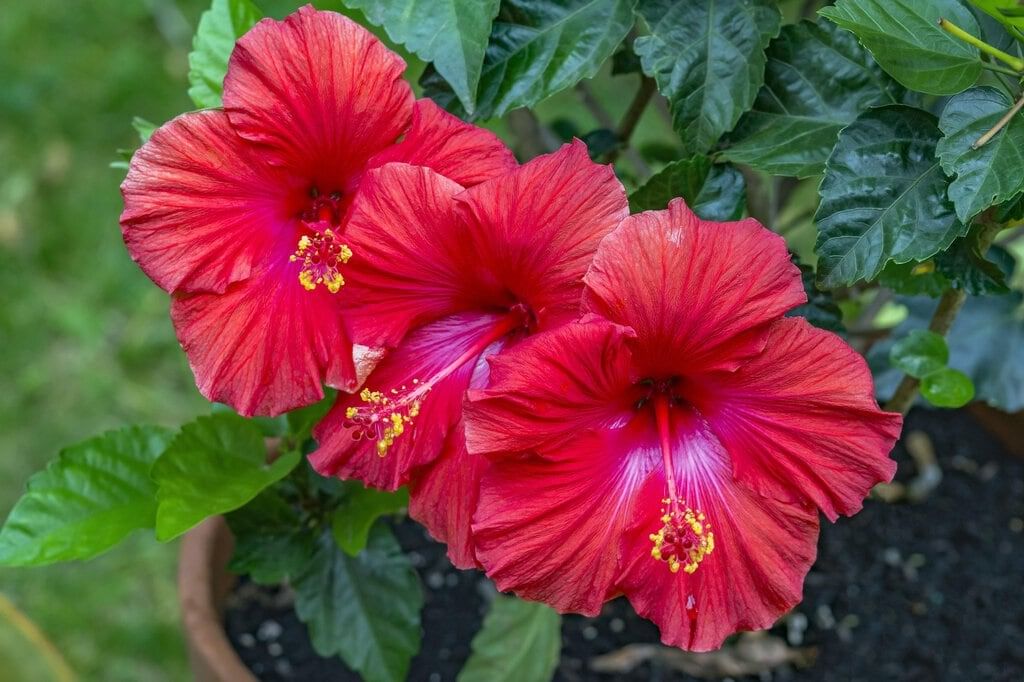
Q9: Give an example of a plant with reticulate venation.
Ans: 
The hibiscus plant is an example of a plant with reticulate venation.Very Short Question Answers: Diversity in the Living World
Q10: What is biodiversity?
Ans: Biodiversity is the variety of different plants, animals, and organisms in a region.

Q11: What is the purpose of grouping animals?
Ans: 
To study their behavior, characteristics, and shared features.

Q12: Name an animal that can fly.
Ans: 
Bird.

Q13: What adaptation helps camels survive in the desert?
Ans: 
Humps that store fat for energy and water in scarce conditions.

Q14: Which tree is adapted to snowy mountain conditions?
Ans: 
Deodar tree.

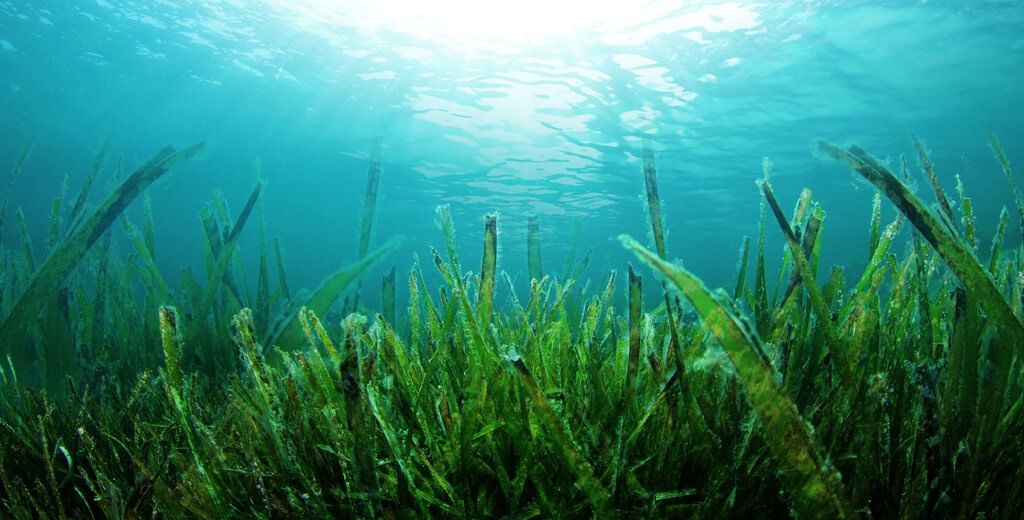
Q15: Identify a plant that thrives in the ocean.
Ans: 
Seaweed.Very Short Question Answers: Diversity in the Living World
Q16: What is a habitat?
Ans: 
The natural environment where a plant or animal lives.

Q17: Give an example of an aquatic habitat.
Ans: 
Ocean.

Q18: What type of animal can live both on land and in water?
Ans:
Amphibian.

Q19: Why is protecting biodiversity important?
Ans:
It ensures all living things can thrive.

Q20: Name one way to help protect the environment.
Ans:
Planting trees.

The document Very Short Question Answers: Diversity in the Living World is a part of the Class 6 Course Science for Class 6.
All you need of Class 6 at this link: Class 6

FAQs on Very Short Question Answers: Diversity in the Living World

1. What are the main types of organisms in the diversity of living world for Class 6?
Ans. Living organisms are classified into five kingdoms: Monera, Protista, Fungi, Plantae, and Animalia. Each kingdom contains organisms with distinct characteristics, cell structures, and ways of obtaining food. Classification helps students understand how different species relate to each other and their role in ecosystems. This hierarchical system forms the foundation of studying biodiversity and organism classification in CBSE science curriculum.
2. How do plants and animals differ in terms of nutrition and movement?
Ans. Plants manufacture their own food through photosynthesis using sunlight, water, and carbon dioxide, making them autotrophic organisms. Animals, being heterotrophic, consume other organisms for energy and nutrients. Most animals possess the ability to move from place to place, whereas most plants are stationary. These fundamental differences in nutrition methods and locomotion reflect adaptation strategies and distinguish the two kingdoms within living world diversity.
3. Why is classification of organisms important for understanding biodiversity?
Ans. Classification systems organise the millions of species into manageable groups based on shared characteristics and evolutionary relationships. This taxonomy allows students to identify patterns, predict organism behaviour, and understand ecological interactions. Grouping organisms by traits such as cell type, reproduction method, and habitat simplifies studying living world diversity. Proper classification also reveals how different species depend on each other within ecosystems.
4. What characteristics help identify whether an organism is a vertebrate or invertebrate?
Ans. Vertebrates possess an internal backbone or spine that supports and protects the spinal cord, including mammals, birds, reptiles, amphibians, and fish. Invertebrates lack this backbone and represent over 95% of animal species, such as insects, worms, molluscs, and crustaceans. Students can identify these groups by observing skeletal structure and body organisation. Understanding this major animal classification helps explain diversity in the living world and ecosystem roles.
5. What is the difference between unicellular and multicellular organisms in terms of living world structure?
Ans. Unicellular organisms consist of a single cell performing all life functions, including bacteria, some algae, and amoebas. Multicellular organisms contain many specialised cells working together in tissues and organs to perform different functions. Unicellular organisms reproduce through binary fission or budding, while multicellular organisms use sexual or asexual reproduction methods. Refer to mind maps and flashcards on EduRev to visualise cellular differences and diversity patterns in the living world clearly.
Explore Courses for Class 6 exam
Get EduRev Notes directly in your Google search
Related Searches
Viva Questions, mock tests for examination, video lectures, pdf , practice quizzes, Semester Notes, past year papers, Sample Paper, Previous Year Questions with Solutions, MCQs, Objective type Questions, Very Short Question Answers: Diversity in the Living World, Exam, study material, shortcuts and tricks, Important questions, Free, Very Short Question Answers: Diversity in the Living World, Extra Questions, Summary, ppt, Very Short Question Answers: Diversity in the Living World;