CBSE Class 6  >  Class 6 Notes  >  Science  >  Very Short Question Answers: Mindful Eating: A Path to a Healthy Body

Very Short Question Answers: Mindful Eating: A Path to a Healthy Body

Q1: What are the main components of food?
Ans:
The main components of food are carbohydrates, fats, proteins, vitamins, and minerals.

Q2: Name one traditional food from Punjab.
Ans: 
Makki di roti.

Q3: What crop is primarily grown in Karnataka?
Ans: 
Rice.

Q4: Which beverage is commonly consumed in Manipur?
Ans: 
Black tea.

Q5: Why do we eat laddoos in winter?
Ans: 
Laddoos provide energy and help keep the body warm in winter.

Q6: What traditional cooking method was commonly used in the past?
Ans: 
Cooking on chulhas (clay stoves).

Q7: What is the primary source of energy for our body?
Ans: 
Carbohydrates.

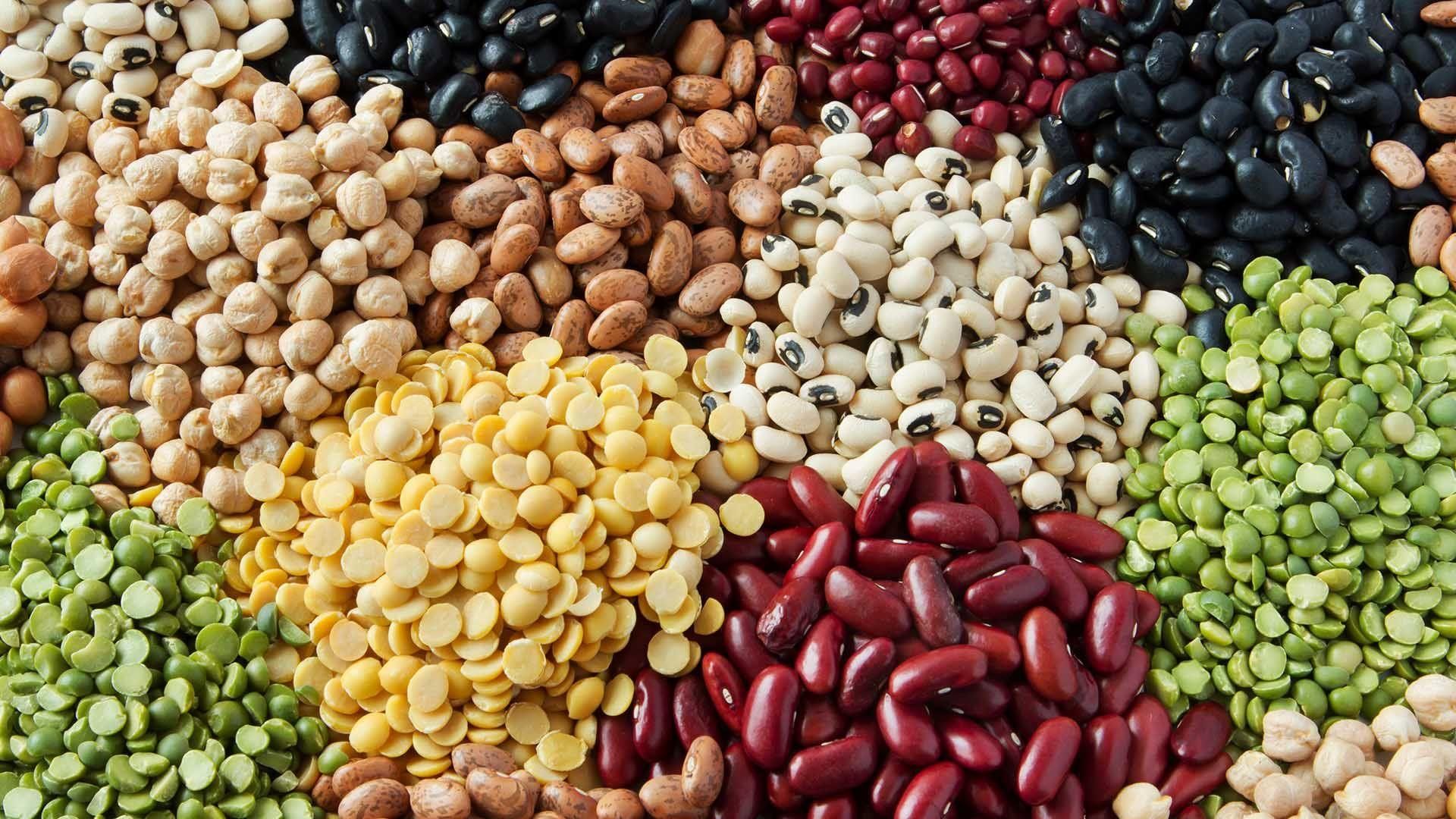
Q8: Name a plant source of protein.
Ans:
Pulses.Very Short Question Answers: Mindful Eating: A Path to a Healthy Body
Q9: What is the significance of iodised salt?
Ans: 
It helps prevent goitre by providing necessary iodine.

Q10: How have cooking practices changed over time?
Ans: 
Cooking has shifted from traditional methods to modern appliances like gas stoves and microwaves.

Q11: What is the function of Vitamin A?
Ans:
Keeps eyes and skin healthy.

Q12: Which food sources are rich in Vitamin C?
Ans: 
Amla, guava, green chilies, oranges, lemons.

Q13: What deficiency disease is caused by a lack of Vitamin D?
Ans: 
Rickets.

Q14: Name a symptom of Iron deficiency.
Ans: 
Weakness.

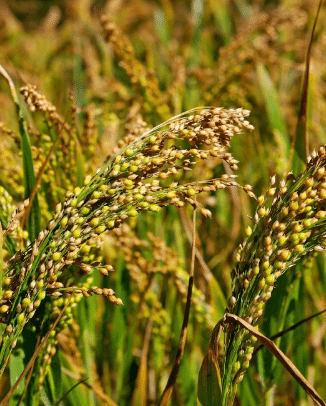
Q15: What are millets known for?
Ans: 
They are rich in vitamins, minerals, and dietary fibers.Very Short Question Answers: Mindful Eating: A Path to a Healthy Body
Q16: Which nutrient helps in digestion?
Ans: 
Dietary fibers.

Q17: What is the main source of calcium?
Ans: 
Milk and dairy products.

Q18: What does the test for starch involve?
Ans: 
Using iodine solution to check for a blue-black color.

Q19: What are food miles?
Ans: 
The distance food travels from the farm to the consumer.

Q20: Why is a balanced diet important?
Ans:
It provides all essential nutrients in the right proportions.

The document Very Short Question Answers: Mindful Eating: A Path to a Healthy Body is a part of the Class 6 Course Science for Class 6.
All you need of Class 6 at this link: Class 6

FAQs on Very Short Question Answers: Mindful Eating: A Path to a Healthy Body

1. What does mindful eating actually mean and how is it different from normal eating?
Ans. Mindful eating means eating with complete awareness of what you're consuming, how it tastes, and how your body feels during meals. Unlike normal eating where students often rush or get distracted, mindful eating involves paying attention to hunger cues, chewing slowly, and recognising fullness signals. This practice helps develop a healthy relationship with food and prevents overeating, making it essential for maintaining a balanced body weight and overall wellness.
2. How can practising mindful eating help my body stay healthy?
Ans. Mindful eating promotes digestive health by allowing your body time to process food properly and absorb nutrients effectively. When students eat slowly and attentively, they naturally consume appropriate portions, reducing the risk of obesity and related health problems. Additionally, this conscious eating approach reduces stress-related eating habits and helps stabilise energy levels throughout the day, supporting better concentration during studies and physical activities.
3. What are the main steps I should follow to eat mindfully for CBSE Class 6 Science?
Ans. Begin by eliminating distractions like screens during meals and sit in a calm environment. Chew each bite thoroughly-aim for 20-30 chews per mouthful-to enhance digestion and flavour appreciation. Pay attention to your body's hunger and fullness signals, eat only when genuinely hungry, and stop before feeling overstuffed. These practical techniques for mindful eating habits form the foundation of healthy eating behaviour and support long-term wellness.
4. Why do students often fail to eat mindfully and what are common barriers?
Ans. Students frequently struggle with mindful eating due to busy schedules, screen distractions, and social pressures that encourage fast eating. Emotional eating-consuming food when stressed, bored, or anxious rather than physically hungry-is a major barrier. Lack of awareness about nutrition and body signals further complicates the adoption of conscious eating habits. Recognising these obstacles helps students develop strategies to overcome them and build sustainable healthy eating patterns.
5. What's the connection between mindful eating and mental health for young students?
Ans. Mindful eating cultivates emotional awareness and reduces stress-related overeating by helping students recognise the difference between physical hunger and emotional cravings. This conscious approach to food consumption improves self-regulation and creates a positive mindset around meals. By practising mindful eating, Class 6 students develop better emotional control, reduced anxiety during mealtimes, and improved overall psychological well-being alongside physical health benefits.
Explore Courses for Class 6 exam
Get EduRev Notes directly in your Google search
Related Searches
Semester Notes, practice quizzes, Objective type Questions, pdf , Summary, Very Short Question Answers: Mindful Eating: A Path to a Healthy Body, Sample Paper, video lectures, shortcuts and tricks, MCQs, Important questions, Free, Viva Questions, Very Short Question Answers: Mindful Eating: A Path to a Healthy Body, Extra Questions, Very Short Question Answers: Mindful Eating: A Path to a Healthy Body, study material, ppt, past year papers, Previous Year Questions with Solutions, mock tests for examination, Exam;