MCQ & Extra Questions: Materials Around Us

Extra Questions
Q1: What is a material?
A material is any substance that is used to create an object, such as wood, metal, plastic, or glass.
Q2: In the context of materials, what does the term 'soluble in water' mean?
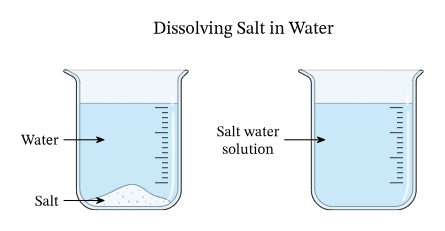
'Soluble in water' means a material can completely dissolve in water, forming a solution where individual particles are no longer visible. For example, when salt dissolves in water, it creates a saltwater solution.
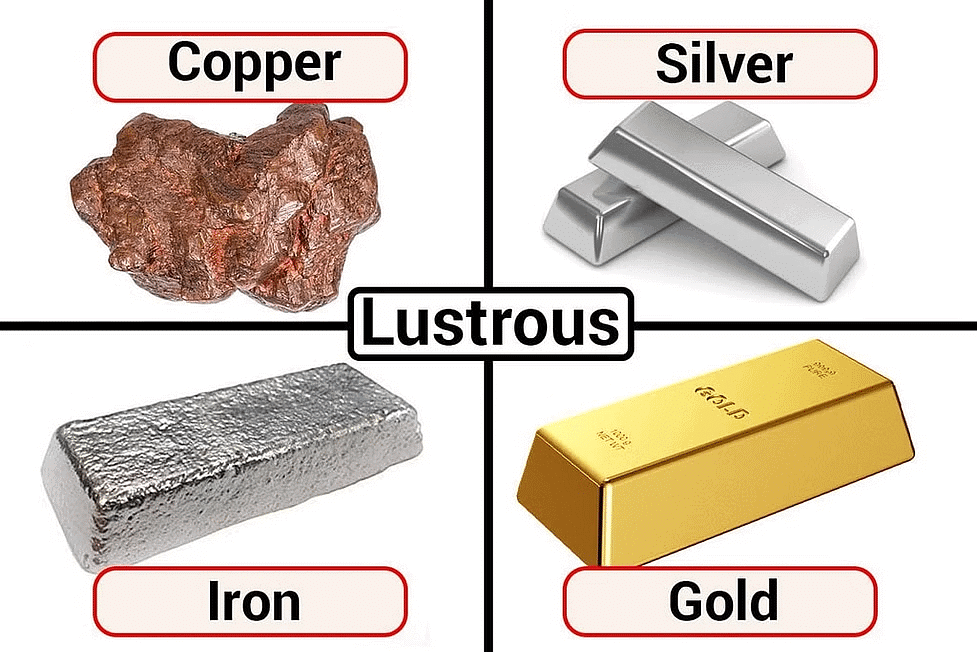
Q3: Define the term 'lustrous.'
Lustrous refers to materials that have a shiny surface, like metals such as iron, copper, and gold.
Q4: What is the significance of classifying materials based on their properties?
Classifying materials by their properties aids in understanding their uses, similarities, and differences, facilitating effective study and application.
Q5: Name two materials that are commonly used for making transparent objects.
Common materials for transparent objects include glass and clear plastic.
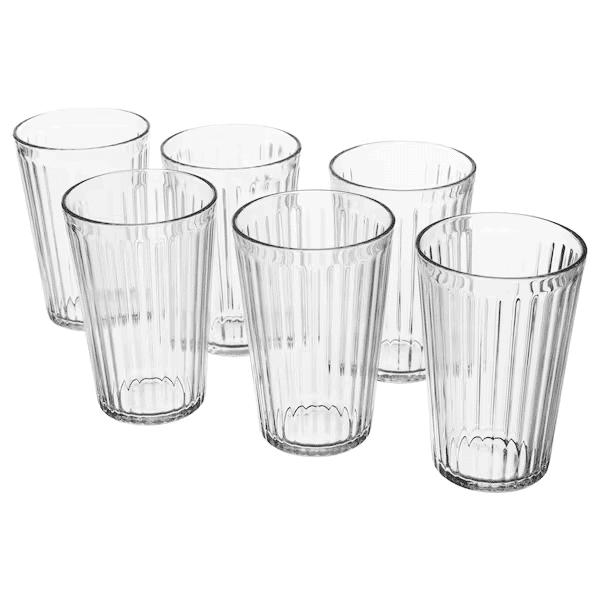
Q6: Why can't a tumbler made of cloth be used to store water?
A cloth tumbler cannot store water because it is not waterproof, allowing water to seep through.
Q7: What is an opaque material? Provide an example.
An opaque material is one through which you cannot see at all. An example is wood.
Try yourself: Q8: Which of the following is a correct pairing of materials based on their properties?
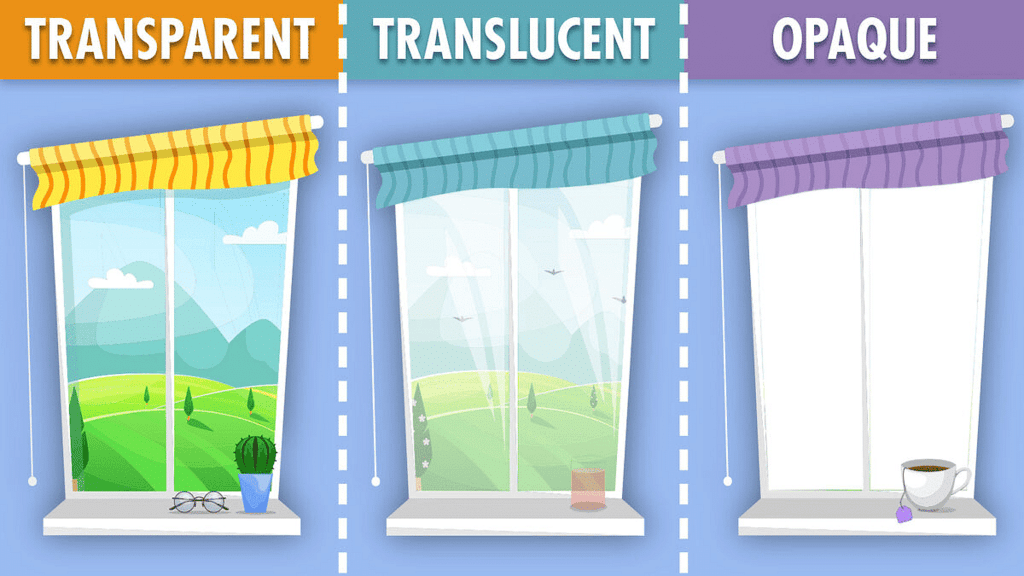
Q9: What is the difference between transparent and translucent materials?
Transparent materials allow light to pass through clearly, making objects behind them visible, while translucent materials permit some light but obscure the view of objects.
Q10: What happens when sugar is mixed with water?
When sugar is mixed with water, it dissolves completely, making the solution clear.
Q11: What is matter? Give two examples.
Matter is anything that occupies space and has mass. Examples: Water, sand, air, and wood.
Q12: Define mass and volume.
Mass is the amount of matter present in an object, measured in grams (g) or kilograms (kg).
Volume is the space occupied by an object, measured in litres (L), millilitres (mL), or cubic metres (m³).
Q13: How is weight different from mass?
Mass is the amount of matter in an object, measured in kilograms (kg). It never changes.
Weight is the force of gravity acting on an object's mass, measured in newtons (N). It can change depending on location (e.g., Earth vs. Moon).
Q14: Why is oxygen gas dissolved in water important for aquatic animals?
Oxygen dissolved in water helps fish and other aquatic animals breathe. Without dissolved oxygen, aquatic life cannot survive.
Q15: What is the SI unit of volume?
The SI unit of volume is the cubic metre (m³).
Note: 1 m³ = 1000 litres (L).
Multiple Choice Questions
Q1: Which of the following materials is non-lustrous?
a) Gold
b) Copper
c) Paper
d) Iron
Ans: c) Paper
Paper does not have a shiny surface, making it a non-lustrous material.
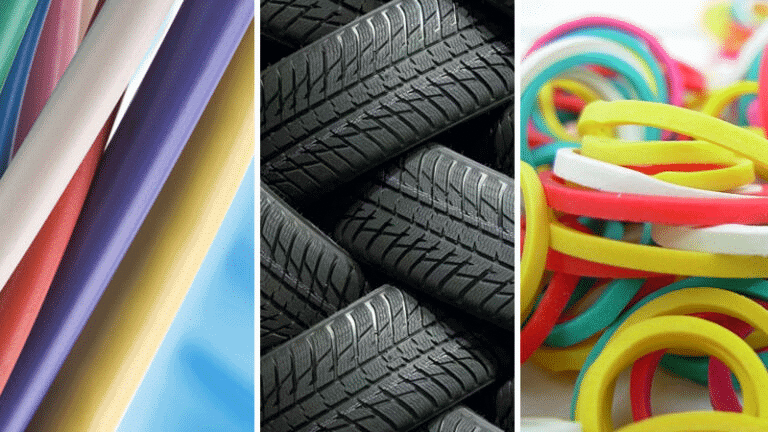
Q2: Which of the following materials can be compressed easily?
a) Stone
b) Rubber
c) Iron
d) Wood
Ans: b) Rubber
Rubber is a soft material and can be easily compressed compared to harder materials like stone or iron.
Q3: Which of these materials is soluble in water?
a) Sand
b) Salt
c) Chalk powder
d) Sawdust
Ans: b) Salt
Salt dissolves completely in water, making it soluble.
Q4: What type of material is butter paper?
a) Transparent
b) Opaque
c) Translucent
d) Lustrous
Ans: c) Translucent
Butter paper allows some light to pass through, but objects behind it cannot be seen clearly, making it translucent.
Q5: Which material is typically used to make objects like cooking utensils due to its ability to withstand high temperatures?
a) Plastic
b) Paper
c) Metal
d) Cloth
Ans: c) Metal
Metals like steel are used for cooking utensils as they can withstand high temperatures without melting or burning.
Q6: Which of the following objects would be best categorized as opaque?
a) Clear glass
b) Frosted glass
c) A wooden door
d) Air
Ans: c) A wooden door
A wooden door is an opaque object, meaning you cannot see through it.
Q7: What happens when you mix sand with water?
a) The sand dissolves
b) The sand remains suspended
c) The sand forms a separate layer
d) The sand evaporates
Ans: c) The sand forms a separate layer
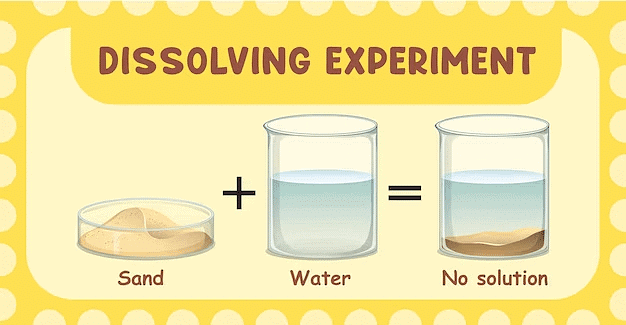
Sand does not dissolve in water and instead forms a separate layer at the bottom of the container.
Try yourself: Q8: Which property is common to all matter?
Q9: What is the SI unit of mass?
a) Gram
b) Kilogram
c) Milligram
d) Litre
Ans: b) Kilogram
The SI unit of mass is the kilogram (kg).
Q10: Which property describes materials that are difficult to compress?
a) Softness
b) Hardness
c) Lustre
d) Transparency
Ans: b) Hardness
Hardness indicates how resistant a material is to deformation, scratching, or compression. Materials that are difficult to compress are considered hard.
Q11: Which liquid does not mix with water and floats on it?
a) Milk
b) Oil
c) Juice
d) Alcohol
Ans: b) Oil
Oil does not dissolve in water and floats because it is less dense.
Q12: Which gas dissolves in water and helps fish breathe?
a) Nitrogen
b) Oxygen
c) Carbon dioxide
d) Hydrogen
Ans: b) Oxygen
Oxygen dissolved in water is essential for aquatic animals to breathe.
Q13: 1 cubic metre (m³) is equal to:
a) 10 L
b) 100 L
c) 1000 L
d) 10,000 L
Ans: c) 1000 L
1 m³ = 1000 litres.
Q14: Objects that can be grouped together because they are metals include:
a) Iron, copper, aluminium
b) Wood, plastic, rubber
c) Cloth, paper, jute
d) Stone, chalk, sand
Ans: a) Iron, copper, aluminium
These are metals with common properties like lustre and conductivity.
FAQs on MCQ & Extra Questions: Materials Around Us
| 1. What are the different types of materials and how do we classify them in Class 6 Science? |  |
| 2. Why do some materials conduct heat and electricity while others don't? | |
| 3. What's the difference between pure substances and mixtures in materials around us? | |
| 4. How do properties of materials determine what we use them for in daily life? | |
| 5. Can materials change their properties permanently or can they go back to their original state? | |